
The Cure
1917
No user ratings available yet
Representation score: 2.7 out of 10
Representation Score
Minimal
1916
TV-GDirector
Charlie Chaplin
Runtime
25 minutes
Average Rating
No ratings yetNew Showbiz Analysis
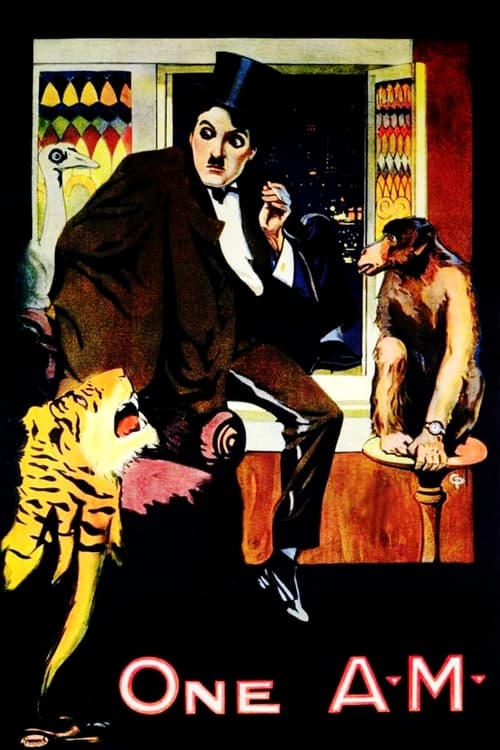
One A.M. serves primarily as a foundational example of early silent slapstick comedy. The film emphasizes physical humor and situational comedy over any form of social commentary or complex narrative structure. Reflecting the casting and social norms of 1916, the film lacks diverse representation or cultural critique. It adheres to traditional comedic archetypes without challenging broader societal norms.
Category Breakdown
The film does not depict any non-binary or transgender identities. The humor focuses on physical mishaps and situations rather than any LGBTQ themes.
The narrative follows traditional early 20th-century comedic roles where women have limited influence over the plot. Male characters dominate the storyline.
The cast is homogeneous, reflecting the casting practices of early silent cinema. There is no diversity in the cast to drive the narrative forward.
The film centers on a localized conflict within a dining setting. It does not address broader cultural or religious issues or challenge Western institutions.
There are no characters with visible or invisible disabilities. Physical comedy relies on exaggerated actions rather than nuanced portrayals of impairment.
Present on Screen
Limited or Absent
Official Synopsis
A drunken homeowner has a difficult time getting about in his home after arriving home late at night.
1917

1923
1920
1926

1915
1914

1915
1921
No reviews yet. Be the first to share your thoughts on this movie!
Use the rating form above to leave a star rating and optional review.