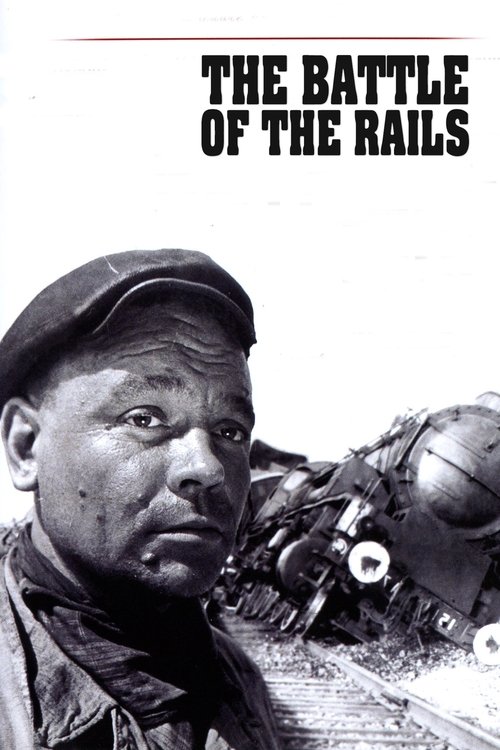
The Battle of the Rails
1946
No user ratings available yet
Diversity score: 5.1 out of 10

1946
Director
René Clément
Runtime
95 minutes
Average Rating
No ratings yetSynopsis
In the Charente, during the Nazi occupation, 51-year-old apparent pacifist Edouard Martin is in fact the leader of a resistance network, using his hobby of orchid growing to hide radio equipment.
Overall Score
Limited
Category Breakdown
LGBTQ+ Representation
The film lacks any indication of queer narratives or non-heteronormative identities. The story focuses on patriotic struggle within conventional social structures of the era.
Gender Representation
Leadership and tactical agency are centered on a male protagonist. While women likely appear, the narrative reinforces traditional wartime hierarchies regarding combatant roles.
Racial & Ethnic Diversity
The setting and cast reflect the homogeneous demographic of 1940s France. There is no evidence of intersectional racial blending within this specific wartime narrative.
Religious & Cultural Diversity
The film subverts civilian passivity by framing a domestic hobby as a tool for resistance. It remains rooted in traditional frameworks of nationalistic wartime morality.
Disability Representation
There is no evidence regarding the inclusion or portrayal of characters with physical or neurodivergent disabilities.
Strengths
Areas for Improvement
AI Analysis
René Clément’s character study focuses on the intersection of private domesticity and public political defiance. By using orchid cultivation as a veil for underground resistance, the film explores how a seemingly benign hobby can facilitate subversion against an occupying force. However, the film's architecture is deeply tied to the social hierarchies of 1946. The narrative prioritizes nationalistic resilience and traditional gender roles, centering agency almost exclusively on the male lead. Ultimately, while the film offers a sophisticated look at wartime survival, it lacks the demographic breadth and intersectional complexity found in modern cinema.
1946
1942

1959

1943
1946
1942

1945
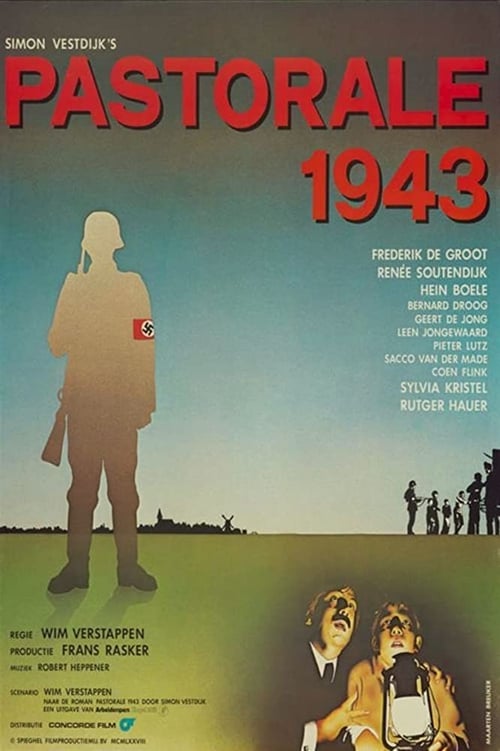
1978

1963
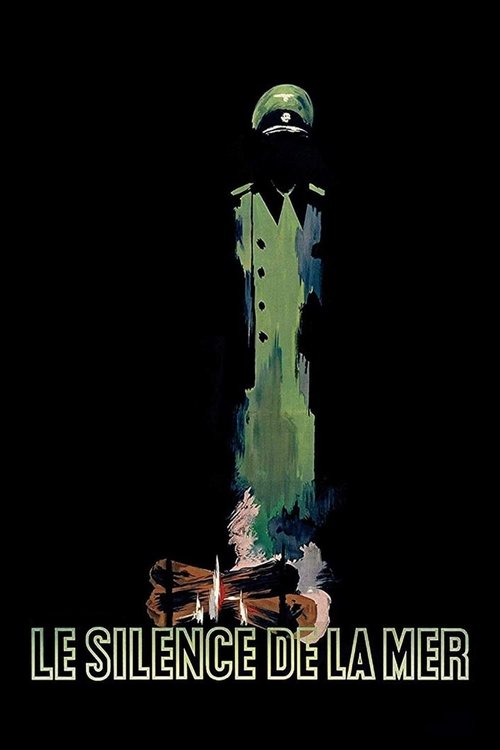
1949
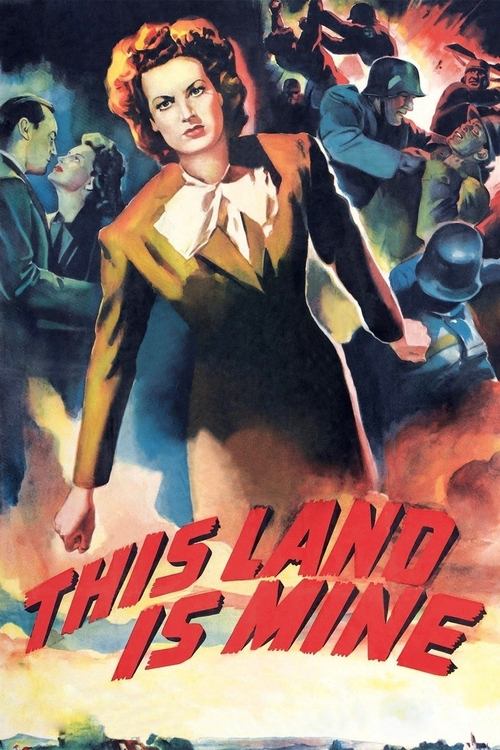
1943
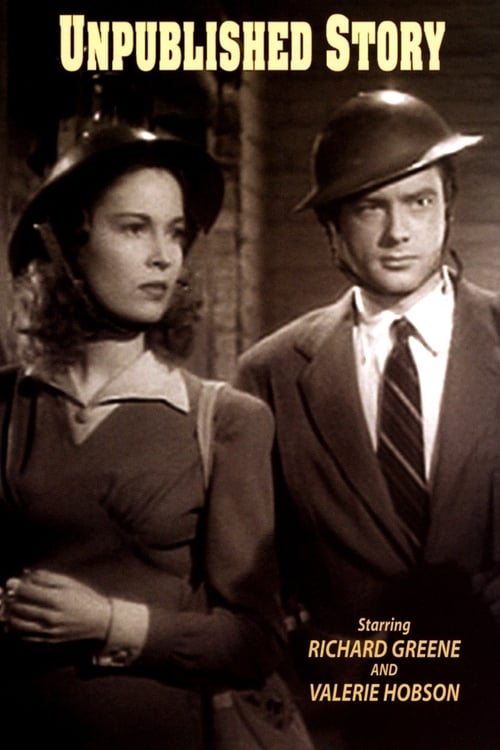
1942
No reviews yet. Be the first to share your thoughts on this movie!
Use the rating form above to leave a star rating and optional review.