Riders of the Rio Grande
1929
No user ratings available yet
Diversity score: 2.9 out of 10

1929
PassedDirector
J.P. McGowan
Average Rating
No ratings yetSynopsis
A cowboy is ambushed by a gang of outlaws and later falsely accused of being one himself. He ultimately proves his innocence by displaying a tattoo depicting the state of Oklahoma!
Overall Score
Limited
Category Breakdown
LGBTQ+ Representation
The film follows the heteronormative constraints typical of 1920s Westerns. There are no depictions of same-sex intimacy or non-cisnormative identities present in the narrative.
Gender Representation
The story centers on traditional masculine hierarchies and physical conflict. The male protagonist serves as the primary agent of justice, reinforcing standard gender roles of the era.
Racial & Ethnic Diversity
The production reflects the demographic homogeneity of early Hollywood. The focus on Anglo-Saxon archetypes suggests a narrative lacking in racial or ethnic intersectionality.
Religious & Cultural Diversity
The plot aligns with classic Western values of individualist morality and frontier justice. It supports the restoration of social order rather than critiquing Western institutions.
Disability Representation
There are no discernible depictions of physical or neurodivergent disabilities within the characters or plot devices.
Strengths
Areas for Improvement
AI Analysis
The Oklahoma Kid is a quintessential product of its era, functioning as a traditional genre piece. It relies heavily on established social hierarchies and conventional Western tropes of heroism and masculine agency. The narrative architecture is built around Anglo-centric storytelling and the restoration of individual legitimacy. It lacks the intentionality required to disrupt traditional power dynamics or provide meaningful intersectional representation. Ultimately, the film serves as a foundational example of the Western genre while remaining firmly within the demographic and social boundaries of 1929 cinema.
1929
1930
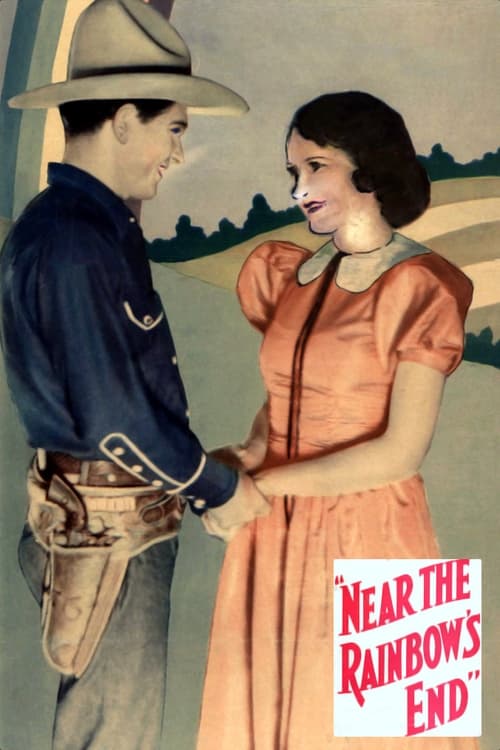
1930
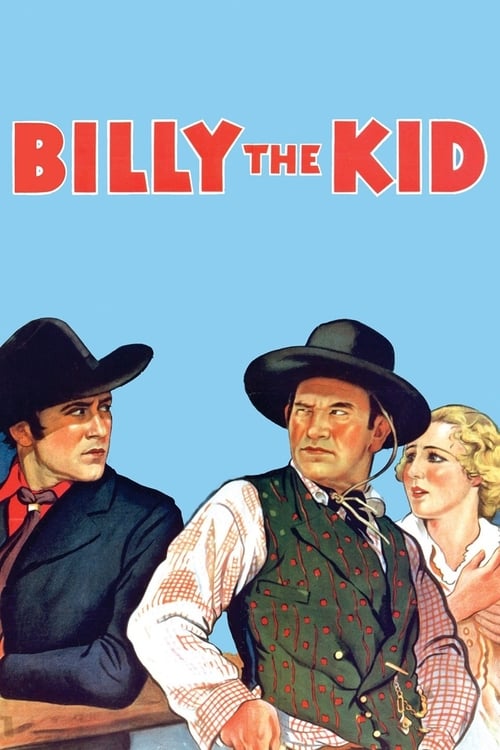
1930
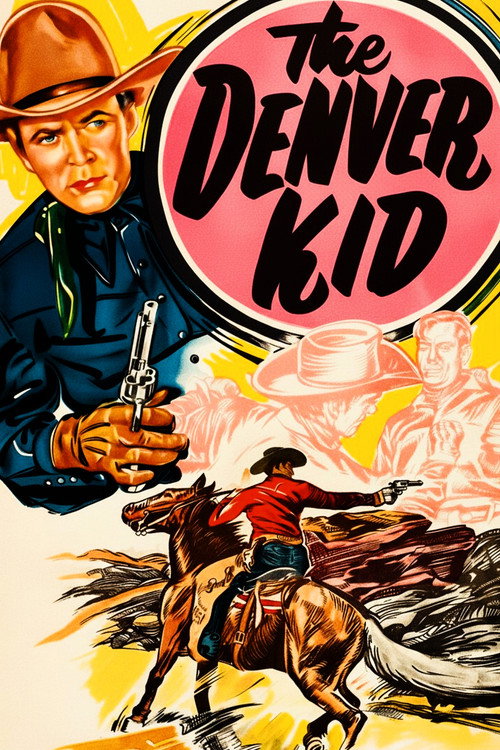
1948
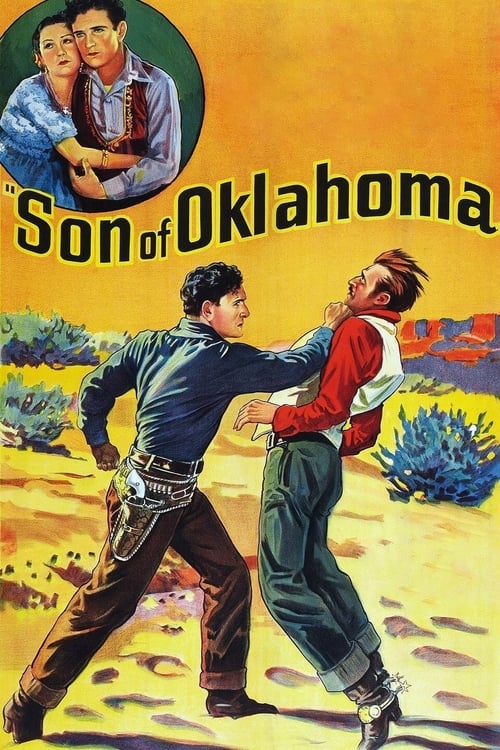
1932

1939
1952
1931
1935
1931
1945
No reviews yet. Be the first to share your thoughts on this movie!
Use the rating form above to leave a star rating and optional review.