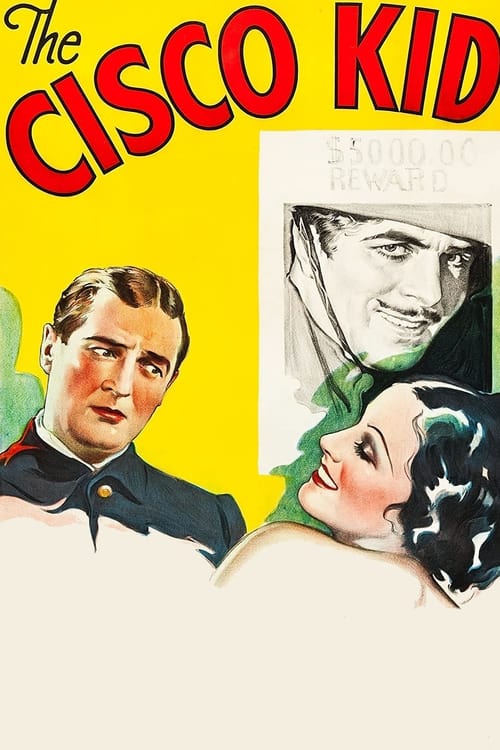
The Cisco Kid
1931
No user ratings available yet
Diversity score: 2.5 out of 10
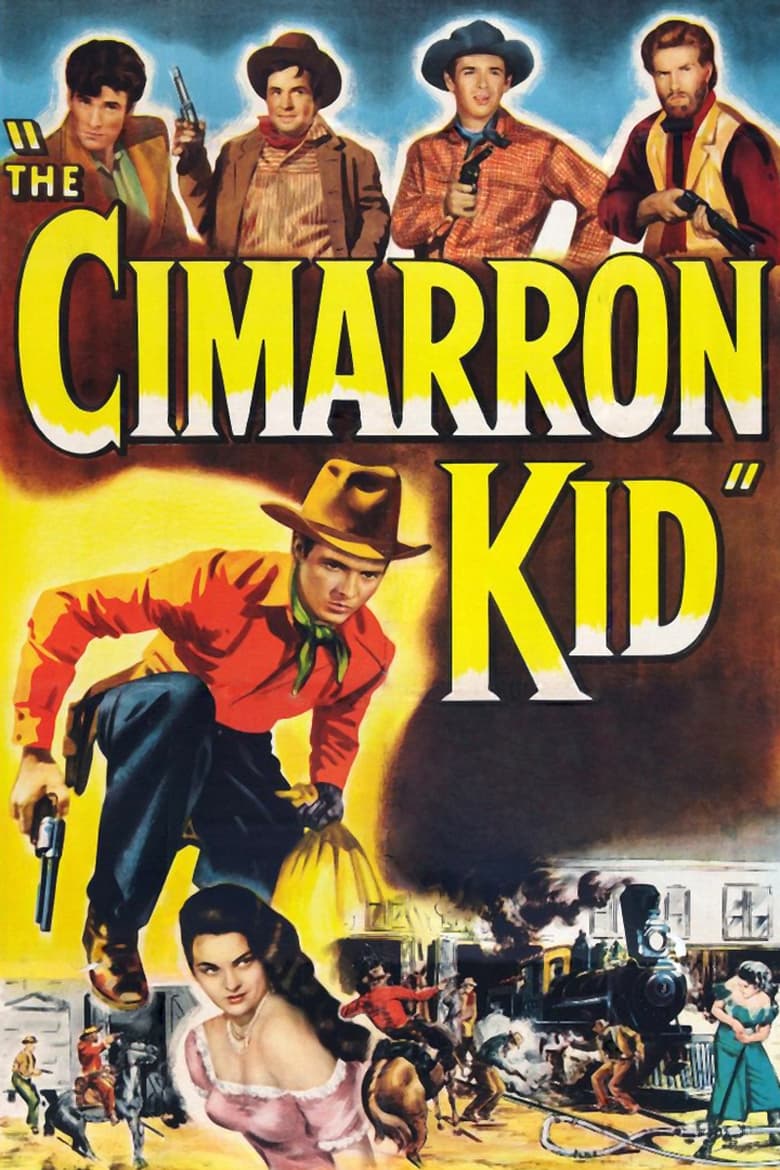
1952
ApprovedDirector
Budd Boetticher
Runtime
84 minutes
Average Rating
No ratings yetSynopsis
Audie Murphy comes into his own as a Western star in this story. Wrongly accused by crooked railroad officials of aiding a train heist by his old friends the Daltons, he joins their gang and becomes an active participant in other robberies. Betrayed by a fellow gang member, Murphy becomes a fugitive in the end. Seeking refuge at the ranch of a reformed gang member, he hopes to flee with the man's daughter to South America, but he's captured in the end and led off to jail. The girl promises to wait.
Overall Score
Minimal
Category Breakdown
LGBTQ+ Representation
The film contains no visible or implicit depictions of LGBTQ+ identities. The romantic subplot follows a traditional heteronormative trajectory to motivate the protagonist.
Gender Representation
The narrative is heavily centered on male-driven action and conflict. While a female lead provides emotional stability, her agency is limited to domestic spheres.
Racial & Ethnic Diversity
The cast is predominantly homogeneous, lacking significant representation of non-white characters in positions of agency. It reflects the era's standard, non-diverse casting practices.
Religious & Cultural Diversity
The story explores tensions between individual morality and legal authority. It prioritizes traditional concepts of honor and redemption over systemic critiques of institutions.
Disability Representation
There are no identifiable depictions of visible or invisible disabilities. No character arcs are defined by neurodivergence or physical impairment.
Strengths
Areas for Improvement
AI Analysis
The Cimarron Kid is a traditional mid-century Western that adheres strictly to the social and demographic norms of 1950s American cinema. It focuses on individualistic struggle and frontier justice through a conventional lens. The film lacks intersectional representation, relying on established genre tropes and homogeneous casting. It reinforces classic Western themes of individualist heroism and the restoration of social order rather than challenging institutional structures. Ultimately, the work functions as a period-specific artifact that prioritizes traditional storytelling and conventional gender and racial hierarchies.
1931
1930
1948
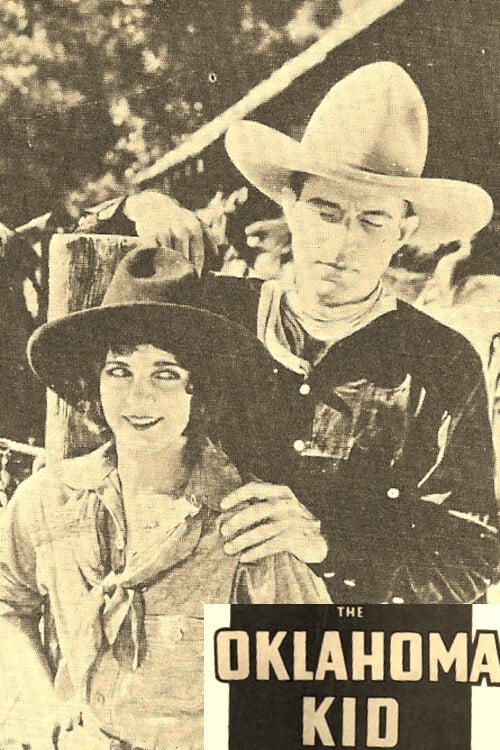
1929
1927
1931
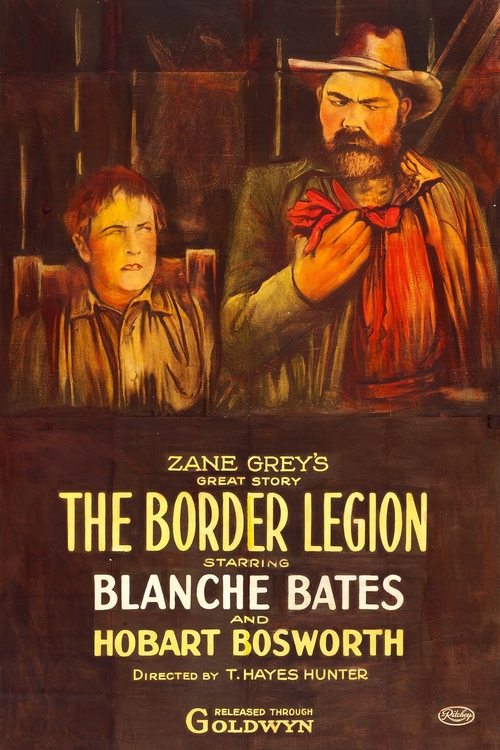
1918
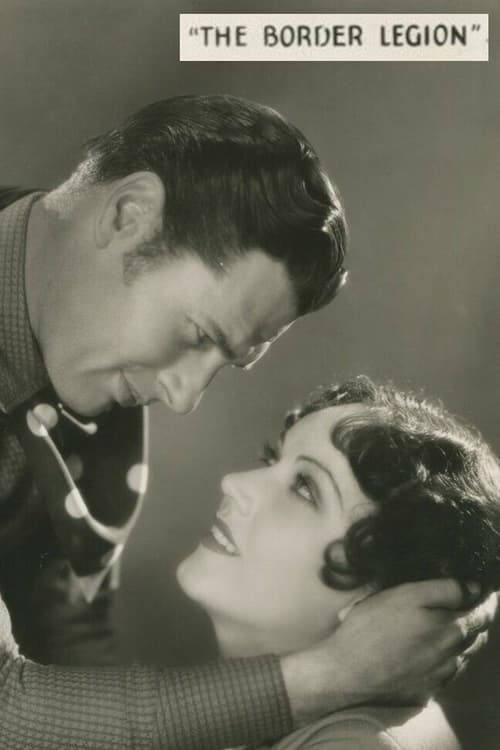
1930
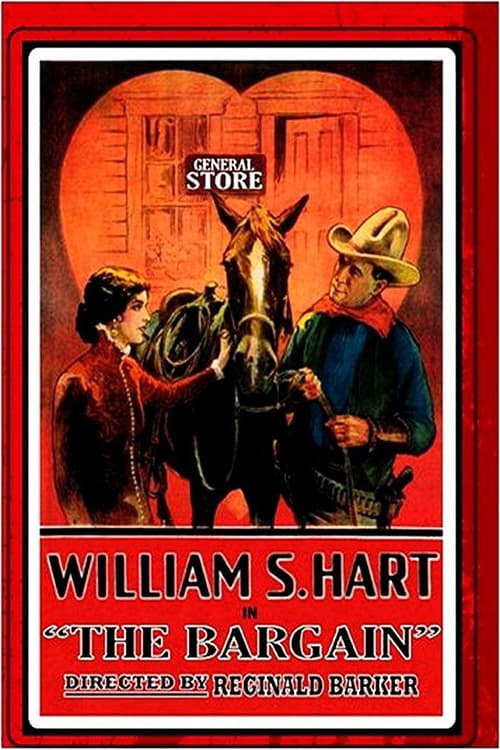
1914
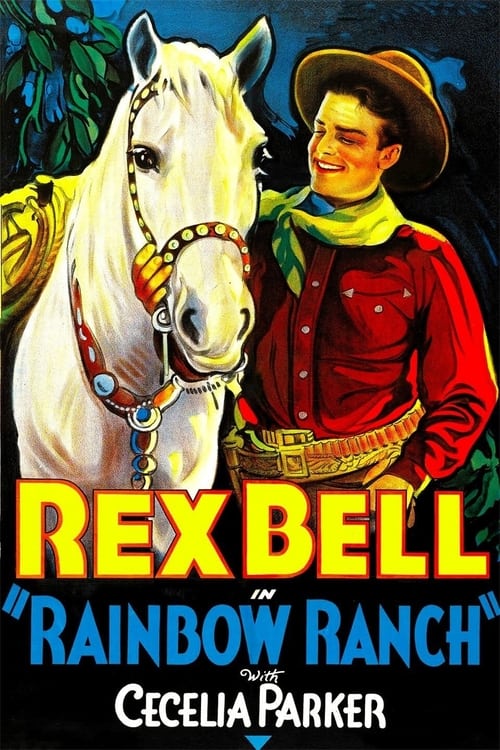
1933
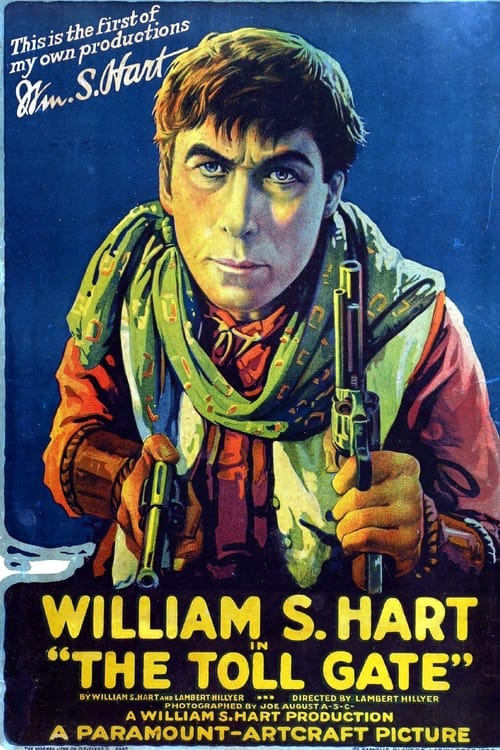
1920
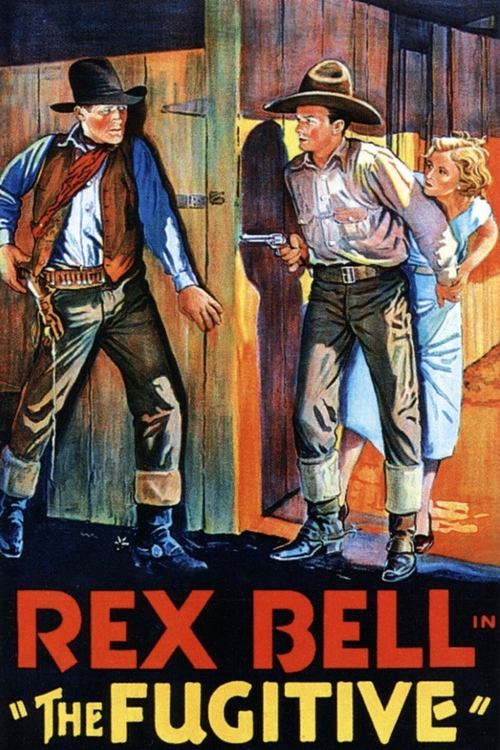
1933
No reviews yet. Be the first to share your thoughts on this movie!
Use the rating form above to leave a star rating and optional review.