Big Calibre
1935
No user ratings available yet
Representation score: 1.4 out of 10
Representation Score
Minimal
1935
ApprovedDirector
Stuart Paton
Runtime
55 minutes
Average Rating
No ratings yetNew Showbiz Analysis
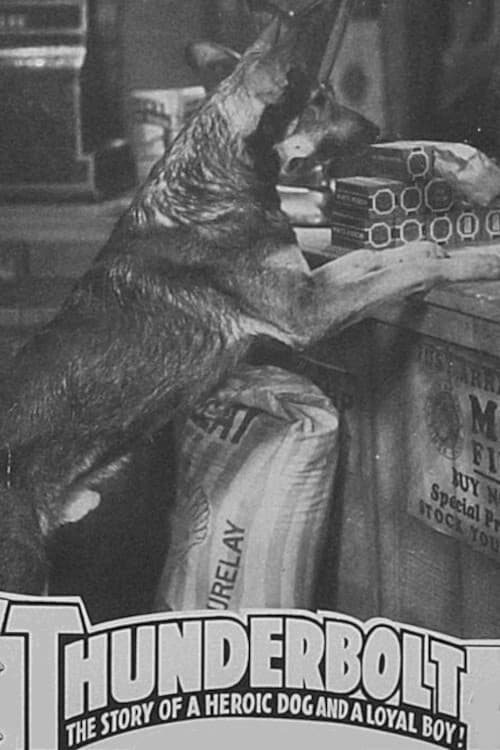
Thunderbolt is a conventional 1935 Western that prioritizes traditional genre elements over social complexity. The narrative centers on a narrow, male-dominated conflict involving theft, murder, and the pursuit of justice. Because the story relies on established social hierarchies and a standard family structure, it offers almost no representation of multiple aspects of identity. The film remains firmly within the constraints of its time, reinforcing the masculine and Anglo-centric norms of the early studio era.
Category Breakdown
The film does not include any LGBTQ+ characters or non-straight identities. The story centers on a traditional father-son relationship, reflecting the era's assumptions about straight relationships.
The plot is dominated by male characters, such as deputies, a cowboy, and a young boy. There is a noticeable lack of female involvement in the main storyline.
The film seems to follow the homogeneous casting practices typical of 1935. It lacks diverse characters with significant roles or ability to act.
The narrative follows a standard crime-and-justice storyline focused on gold theft. It emphasizes traditional moral clarity and the restoration of order over systemic issues.
There is no documented evidence regarding the portrayal of physical or neurodivergent disabilities in this production.
Present on Screen
Limited or Absent
Official Synopsis
A pair of crooked deputies steal a gold shipment, murder a young boy's father and pin the blame on a cowboy. The murdered man's son and his dog set out to prove the cowboy's innocence.
1935
1949
1934
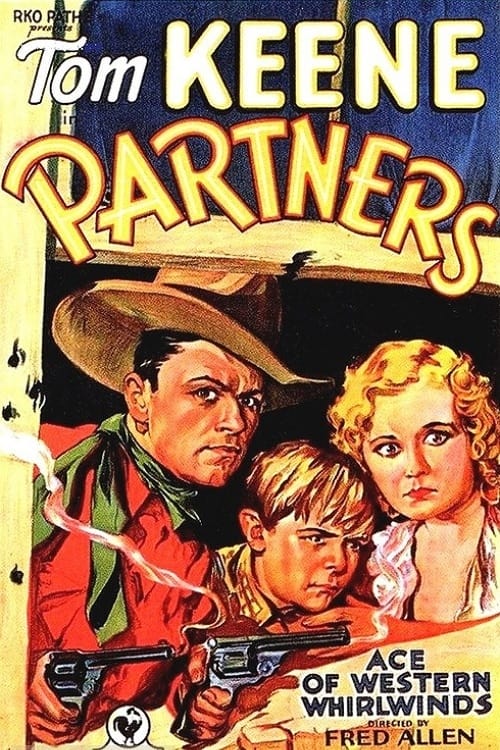
1932
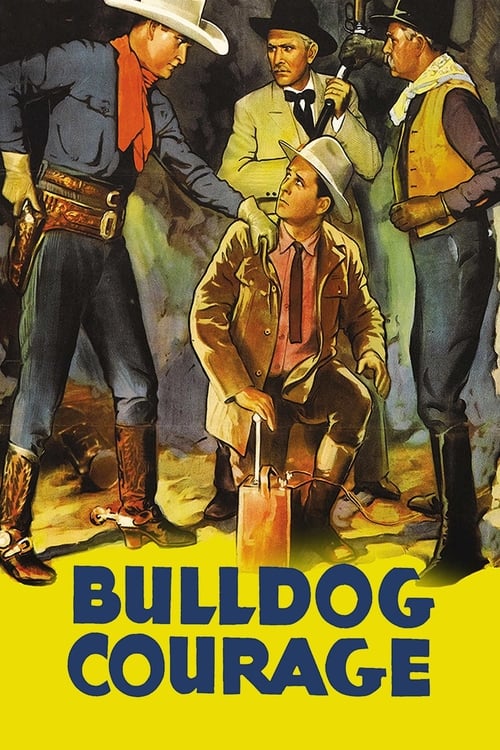
1935
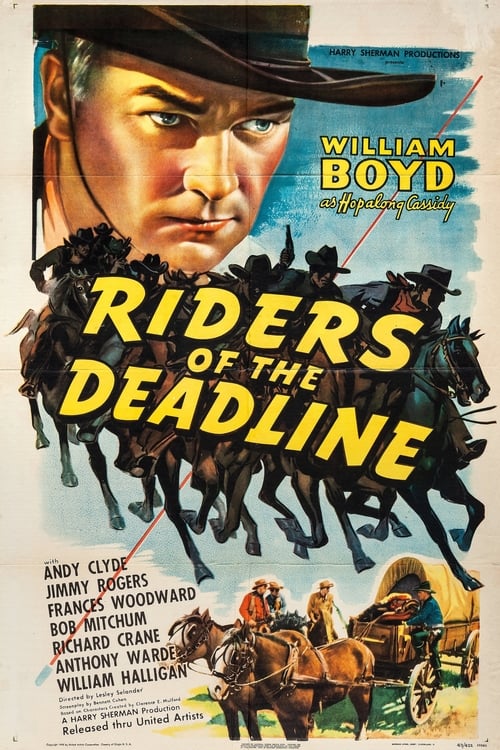
1943
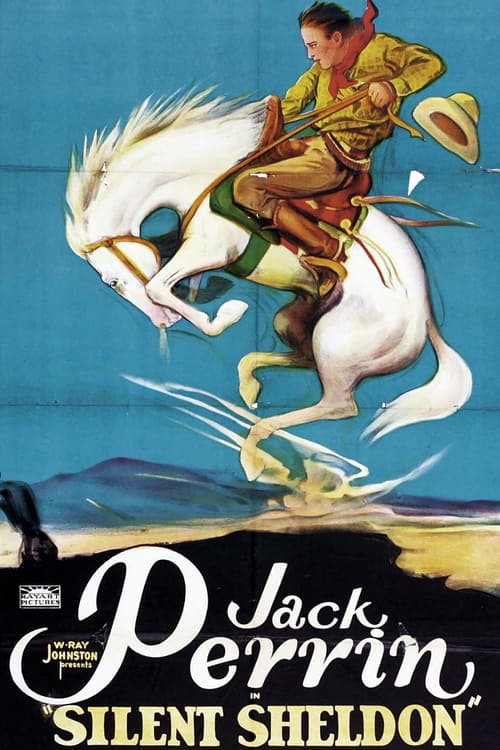
1925
1942
No reviews yet. Be the first to share your thoughts on this movie!
Use the rating form above to leave a star rating and optional review.