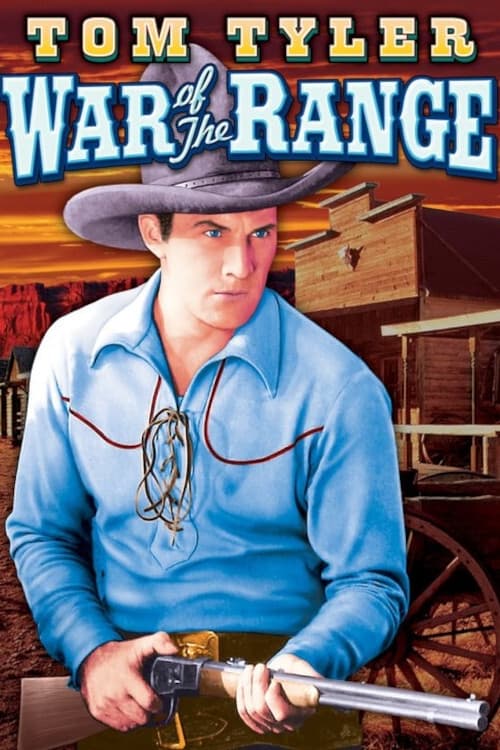
War of the Range
1933
No user ratings available yet
Representation score: 0.6 out of 10
Representation Score
Minimal
1930
PassedDirector
J.P. McGowan
Runtime
56 minutes
Average Rating
No ratings yetNew Showbiz Analysis
This Western film adheres closely to the genre conventions of the 1930s, emphasizing land disputes and male dominance. The plot centers on the conflict between cattle and sheep ranchers, reinforcing traditional patriarchal structures and property rights. Although the film includes ethnic diversity through the character Sanchez, his role is limited to providing information to the main characters. He lacks independent ability to act and serves as a typical plot device for the time period. Gender roles in the film are also confined. Female characters such as Ruth support established male authority figures, maintaining a focus on male-dominated land ownership and physical confrontations.
Category Breakdown
The film follows a traditional Western storyline focused on land disputes and family history. There are no representations of LGBTQ+ identities or critiques of heterosexuality.
Male characters drive the narrative through conflicts between cattle and sheep ranchers. Ruth supports male authority figures, staying within a traditional role.
Sanchez adds ethnic diversity to the frontier setting. However, he mainly serves as a plot device rather than a fully developed character.
The story upholds traditional Western values concerning property rights and land ownership. It aligns with conservative frontier ideals without challenging established institutions.
There are no visible or invisible disabilities shown in the narrative. No characters have physical, sensory, or neurodivergent conditions.
Present on Screen
Limited or Absent
Official Synopsis
Despite past friendliness, cattle ranchers Tom and Jim Bledsoe, father and son, fence off their range to prevent its use by neighboring sheep ranchers Tug Wilson and Buck Rankin, suggesting that they hope to end their recent loss of cattle. Rankin (not Rankins) shoots Tug, who is unaware of Rankin's lawless activities, in an argument and Jim is accused of murder and also stampeding the sheep. Believing Jim is guilty, Tug's daughter, Ruth, aids Buck in capturing Jim, but he escapes. Ruth gets help from Sheriff Hank Bosley, and a sheepherder, Sanchez, reveals Rankin's responsibility for both the rustling of Bledsoe's cattle and the killing of Wilson.
1933
1930
1930
1934
1934
1935
1937
1933
No reviews yet. Be the first to share your thoughts on this movie!
Use the rating form above to leave a star rating and optional review.