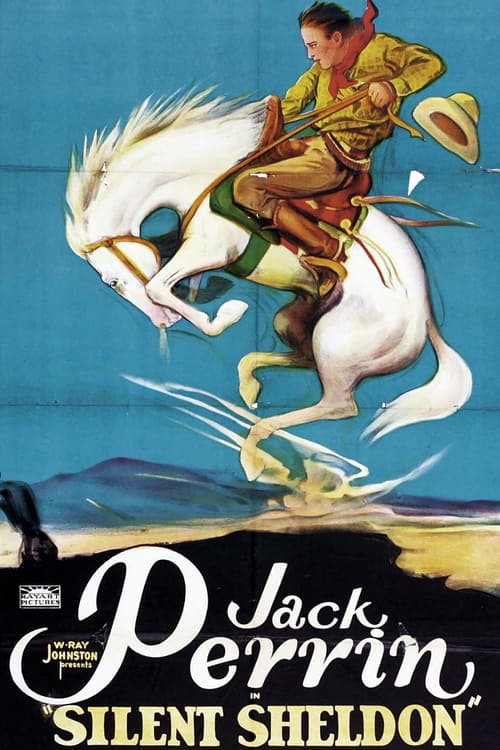
Silent Sheldon
1925
No user ratings available yet
Representation score: 1.6 out of 10
No Poster Available
Representation Score
Minimal
1930
PassedDirector
J.P. McGowan
Runtime
49 minutes
Average Rating
No ratings yetNew Showbiz Analysis
Breezy Bill is a traditional Western that adheres closely to the genre conventions of 1930. The story follows a young rancher caught in a misunderstanding involving his stepfather, focusing on themes of kinship and frontier justice. The film does not attempt to challenge social hierarchies or introduce diverse perspectives. Instead, it operates within the established narrative frameworks of the early sound era, emphasizing straightforward tales of heroism and individual morality. Due to the lack of specific details regarding underrepresented identities, the film appears to reflect the standard, homogeneous social structures of early Hollywood filmmaking.
Category Breakdown
The film does not include any characters with LGBTQ+ identities. The central conflict revolves around traditional family relationships between a rancher and his stepfather.
The story centers on a male rancher's struggle with legal accusations, emphasizing traditional masculine roles typical of early Westerns.
Given its 1930 setting, the film likely adheres to the era's homogeneous casting practices. There is no indication of a diverse cast.
The plot highlights individual morality and the restoration of order through justice. It upholds traditional values related to family bonds and legal truth.
There is no mention of characters with visible or invisible disabilities in this production.
Present on Screen
Limited or Absent
Official Synopsis
A young rancher falsely accused of kidnapping his own stepfather, the aptly named Henry Pennypincher.
1925
1940
1930
1941
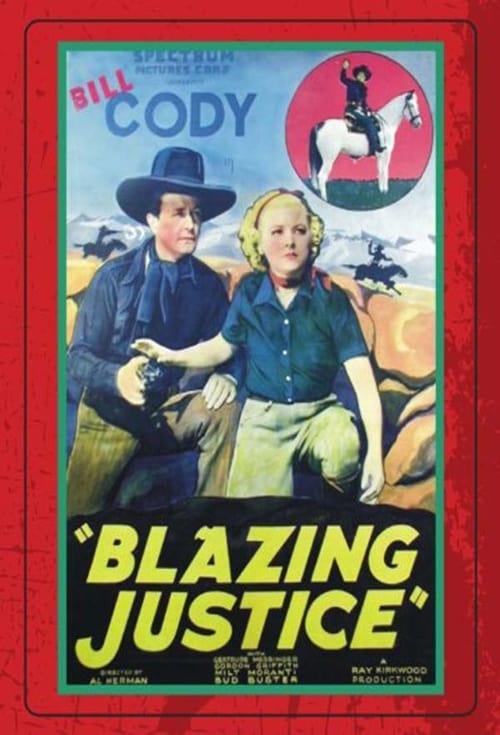
1936
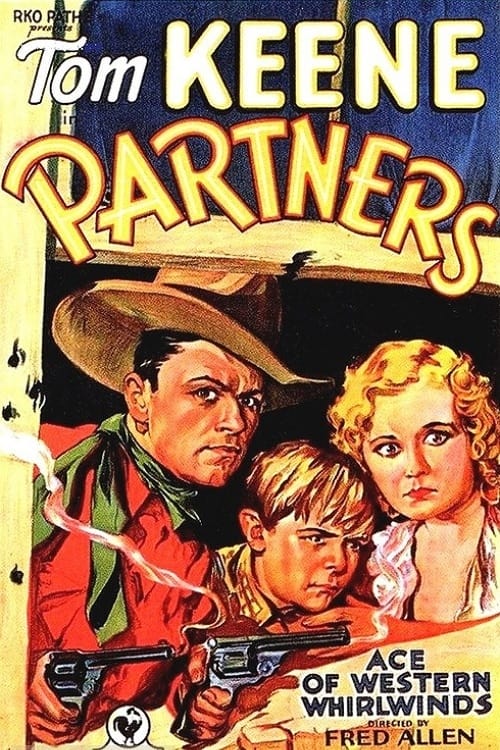
1932
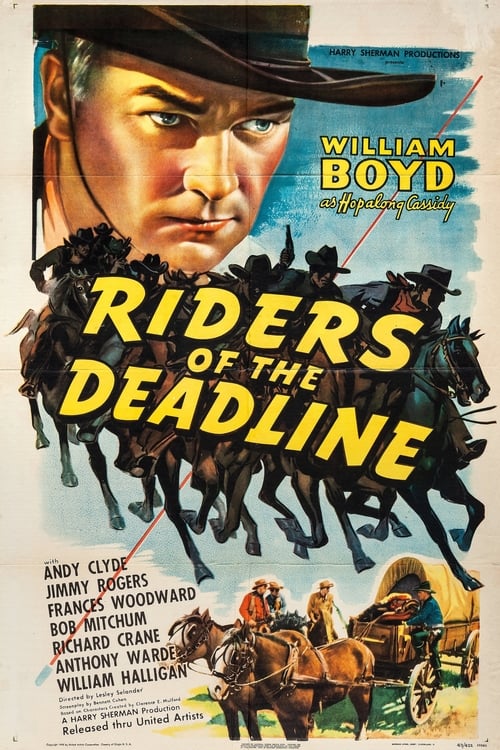
1943
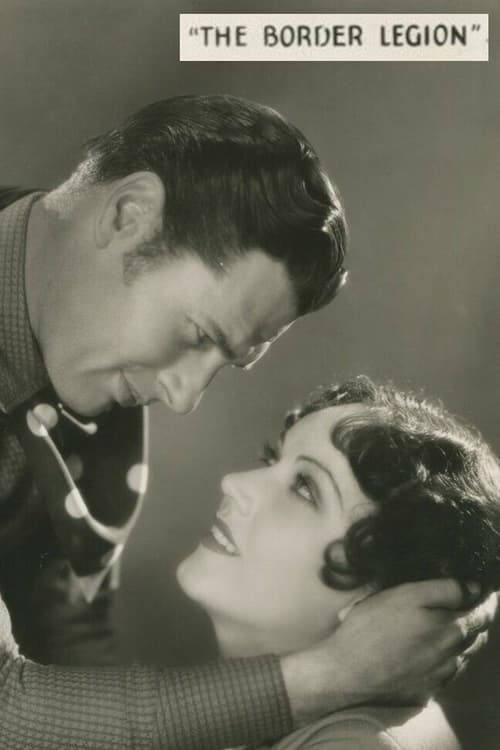
1930
No reviews yet. Be the first to share your thoughts on this movie!
Use the rating form above to leave a star rating and optional review.