A Son of the Plains
1931
No user ratings available yet
Representation score: 0.5 out of 10
Representation Score
Minimal
1932
PassedDirector
Robert N. Bradbury
Runtime
60 minutes
Average Rating
No ratings yetNew Showbiz Analysis
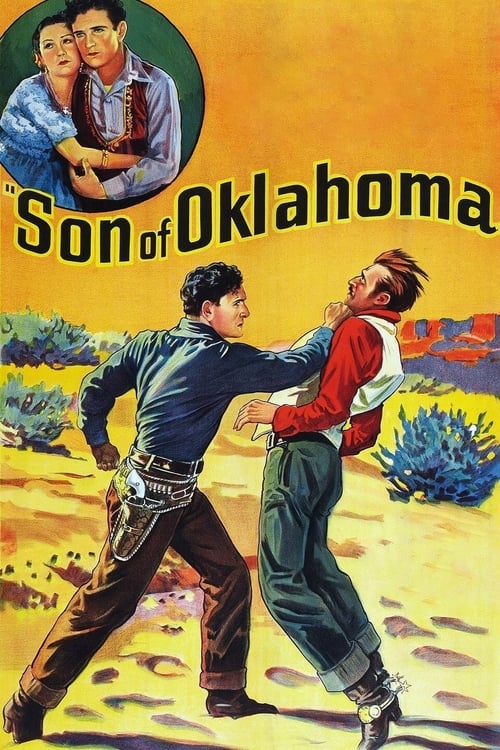
Son of Oklahoma is a classic example of its time, emphasizing traditional masculine archetypes and conventional Western clichés. The narrative structure revolves around patriarchal leadership and frontier combat, offering limited space for diverse perspectives. The film does not aim to disrupt social hierarchies, instead preserving the standard social norms of the 1930s. It presents a narrow, homogeneous view of the American West, lacking any characters who reflect more than one aspect of diversity or subversion of established cultural roles.
Category Breakdown
The film follows 1930s cinematic traditions, focusing solely on masculine themes without any representation of LGBTQ+ identities or same-sex relationships.
The narrative emphasizes male physical strength and leadership, reinforcing traditional gender roles. Female characters are largely absent or have minimal influence on the plot.
The film uses a homogeneous casting approach typical of early Westerns, depicting the American frontier through a predominantly white perspective without any documented non-white characters.
The story upholds traditional Western values and moral frameworks, reinforcing established social norms without challenging frontier institutions.
The film does not feature characters with visible or invisible disabilities. There is no representation of neurodivergent individuals or disability used as a narrative device.
Present on Screen
Limited or Absent
Official Synopsis
Verdugo finds a young boy on the desert and raises him as his son. Now a grown man, Dan is framed for a stagecoach robbery by Brent, the same man that shot his father and tried to take him and his mother away twenty years earlier.
1931
1932
1935
1935
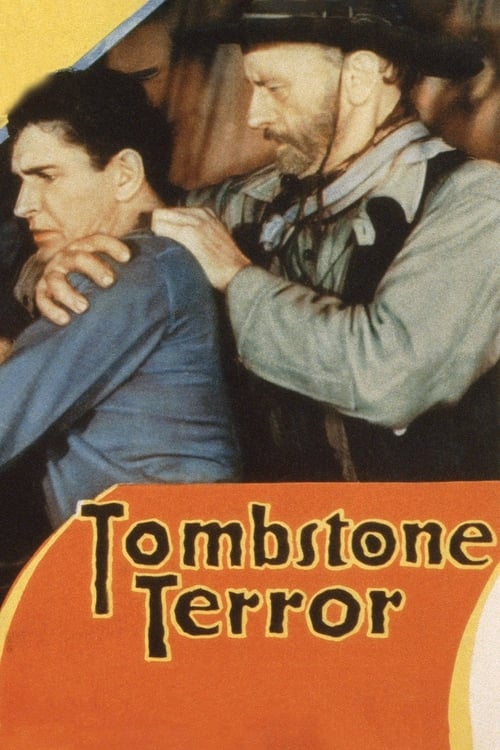
1935
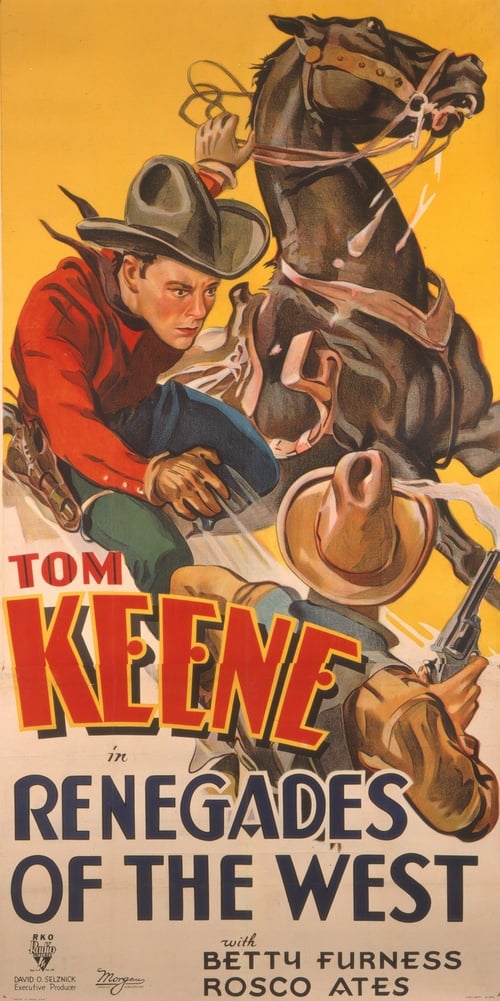
1932
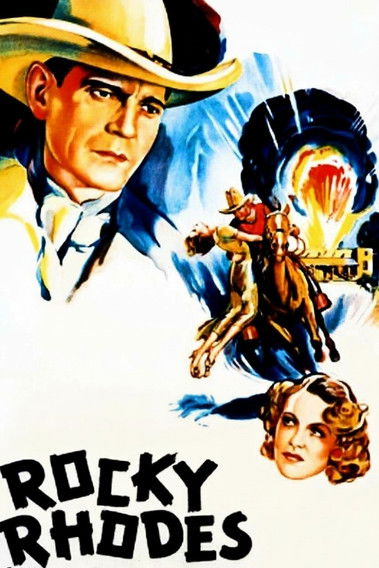
1934
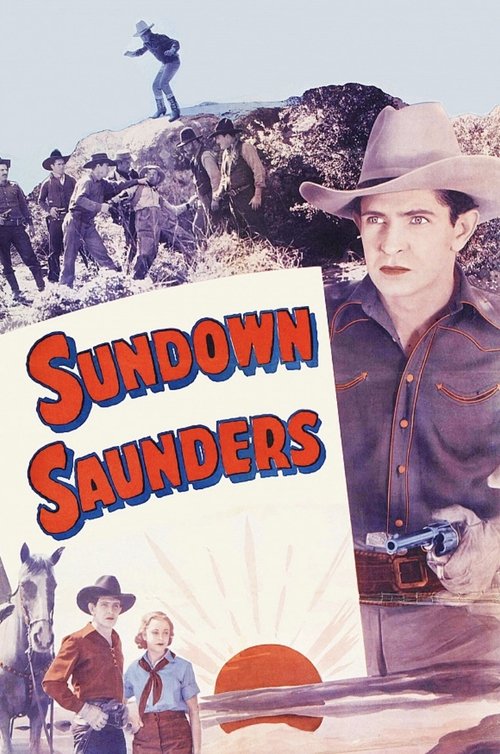
1935
No reviews yet. Be the first to share your thoughts on this movie!
Use the rating form above to leave a star rating and optional review.