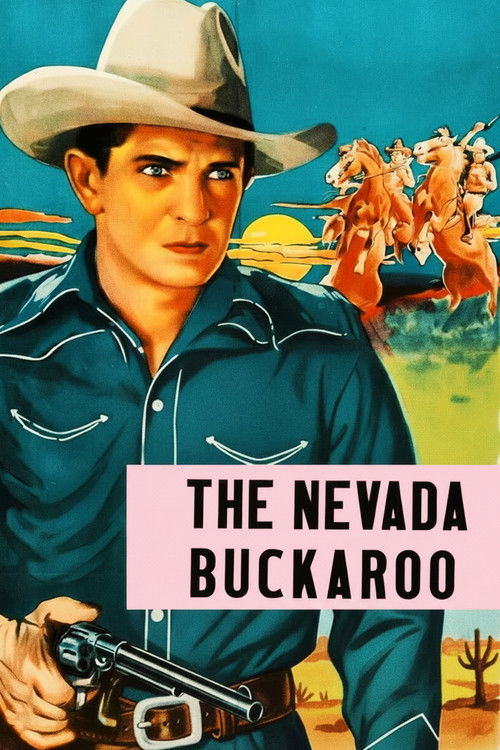
The Nevada Buckaroo
1931
No user ratings available yet
Representation score: 1.8 out of 10
Representation Score
Minimal
1931
PassedDirector
John P. McCarthy
Runtime
57 minutes
Average Rating
No ratings yetNew Showbiz Analysis
A Rider of the Plains is a conventional Western that reflects the cinematic constraints of OnClickListener. The story relies heavily on established genre clichés, focusing on masculine archetypes such as the outlaw and the moral leader. Because the plot centers almost entirely on men's control over the story and traditional redemption arcs, the film lacks depth in reflecting multiple aspects of identity. It reinforces the social hierarchies of its time rather than challenging them. Ultimately, the film serves as a standard period piece that prioritizes frontier companionship and patriarchal structures over diverse representation.
Category Breakdown
The film focuses on traditional masculine bonds and frontier companionship. It adheres to the assumption that everyone is straight or cisgender, with no depictions of non-conforming identities.
The narrative operates within a strictly patriarchal framework. Male characters like Blackie and Jim play a significant role in driving the story, while women are notably absent from the primary plot drivers.
The film utilizes a homogeneous casting approach typical of the era. Despite the 'Indian Springs' setting, there is no evidence of characters of color or diverse casting.
The story explores tensions between secular frontier life and religious institutions through Jim's transition to a Parson. It utilizes traditional redemption arcs rather than critiquing established social hierarchies.
There is no discernible evidence regarding the portrayal of physical or neurodivergent disabilities within the narrative.
Present on Screen
Limited or Absent
Official Synopsis
Blackie Saunders and his young partner Sandy arrive in Indian Springs where Blackie meets his old friend Jim whom he once rode with on the wrong side of the law. Jim is now the Parson but Blackie still carries the reputation of a killer. When the townspeople decide Blackie is not a fit guardian for the boy, Jim convinces Blackie to leave the boy with him. But just after Blackie leaves town, the express office is robbed and it is assumed Blackie did it.
1931
1932
1932
1931
1925
1930
1934
1918
No reviews yet. Be the first to share your thoughts on this movie!
Use the rating form above to leave a star rating and optional review.