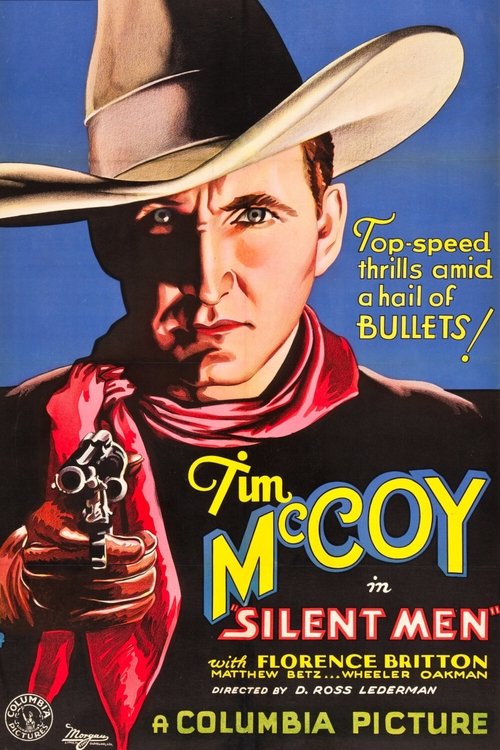
Silent Men
1933
No user ratings available yet
Representation score: 0.9 out of 10
Representation Score
Minimal
1931
PassedDirector
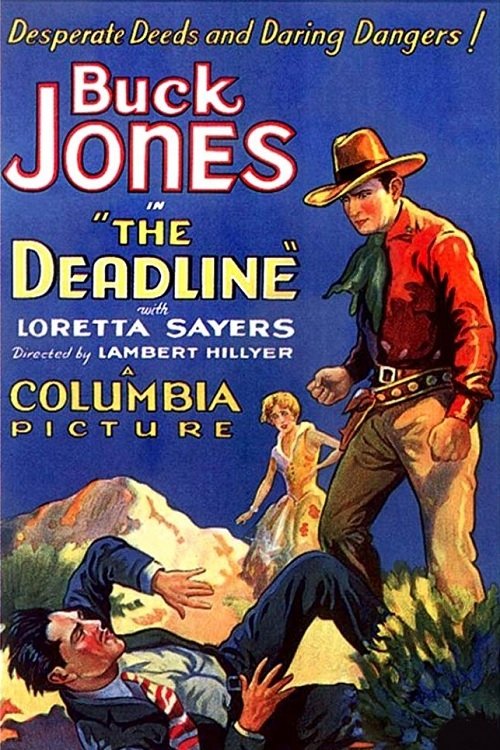
Lambert Hillyer
Runtime
65 minutes
Average Rating
No ratings yetNew Showbiz Analysis
The Deadline is a quintessential early 1930s Western that prioritizes traditional genre clichés over narrative complexity. The plot centers on a singular male quest for justice, which reinforces the period's standard gender hierarchies. Representation is limited by the era's industry practices. The film lacks multi-layered depth, focusing instead on a linear morality tale involving a man seeking to clear his name after a wrongful conviction. Ultimately, the film functions as a standard genre piece. It relies on established frontier clichés and lacks the diverse perspectives or systemic critiques found in more modern cinema.
Category Breakdown
The film does not include any LGBTQ+ characters or narratives. It adheres to the standard social structures of 1931, offering no critique of the assumption that everyone is straight or cisgender.
The male protagonist, Buck, takes a leading role in driving the story. Female characters are shown in secondary or domestic roles typical of the era.
The film reflects the homogeneous casting norms of early Hollywood. It focuses on white protagonists as the main actors within the frontier narrative.
The story follows traditional Western clichés of personal honor and legal redemption. It reinforces social order rather than exploring secularist or anti-Western themes.
There are no mentions of visible or invisible disabilities. No characters are portrayed with specific physical or neurodivergent needs.
Present on Screen
Limited or Absent
Official Synopsis
On parole from prison for a murder he did not commit, and not allowed to carry a gun, Buck sets out to find the real killer. His clue is a corner torn off a wanted poster with some handwriting on it.
1933
1932
1948
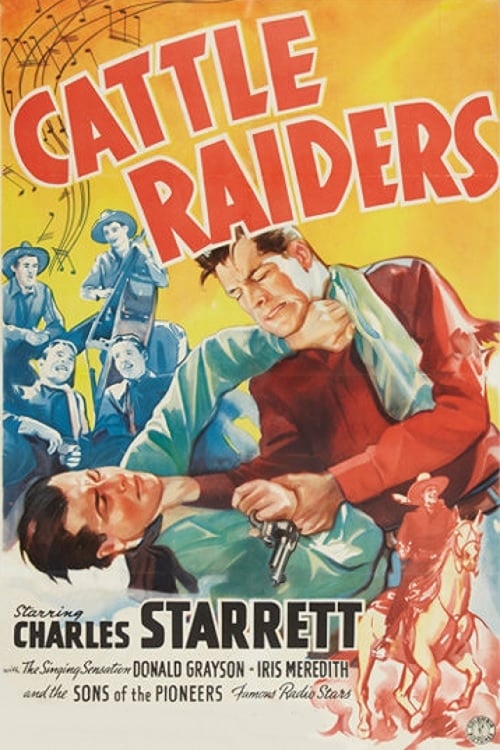
1938
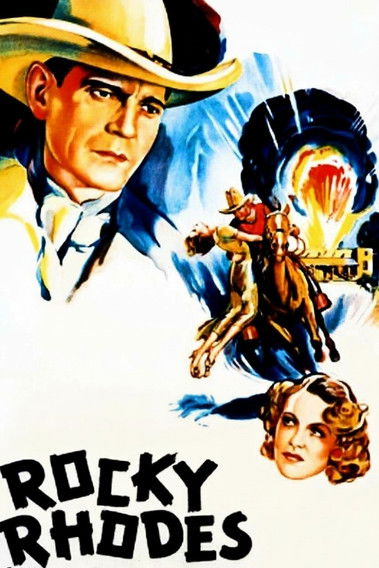
1934
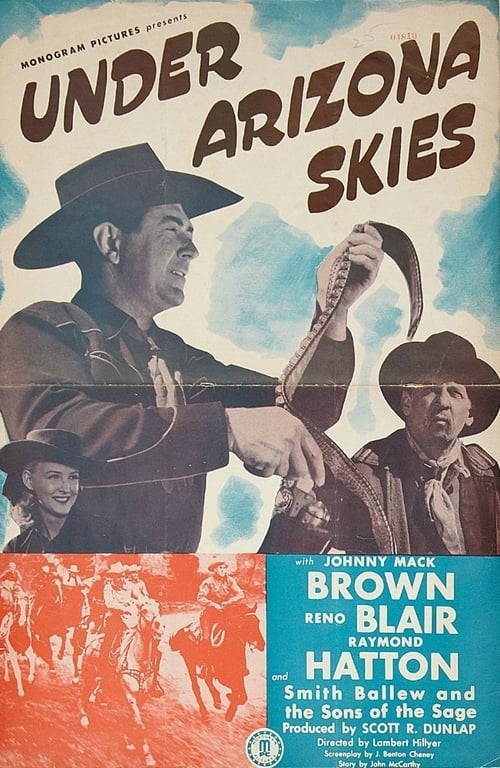
1946
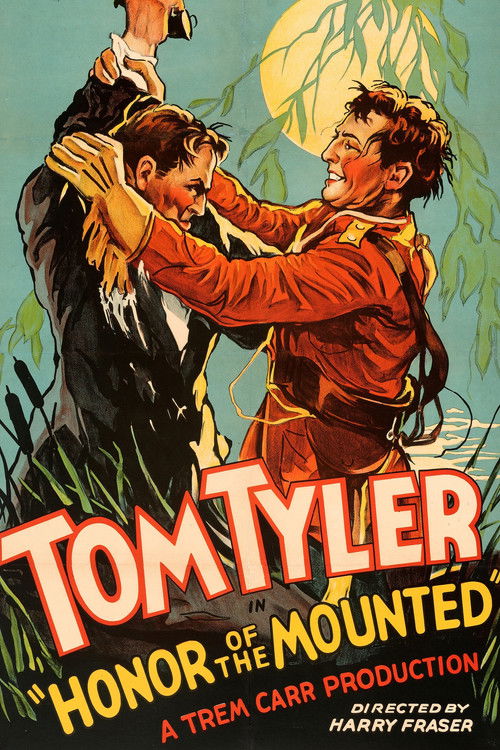
1932

1933
No reviews yet. Be the first to share your thoughts on this movie!
Use the rating form above to leave a star rating and optional review.