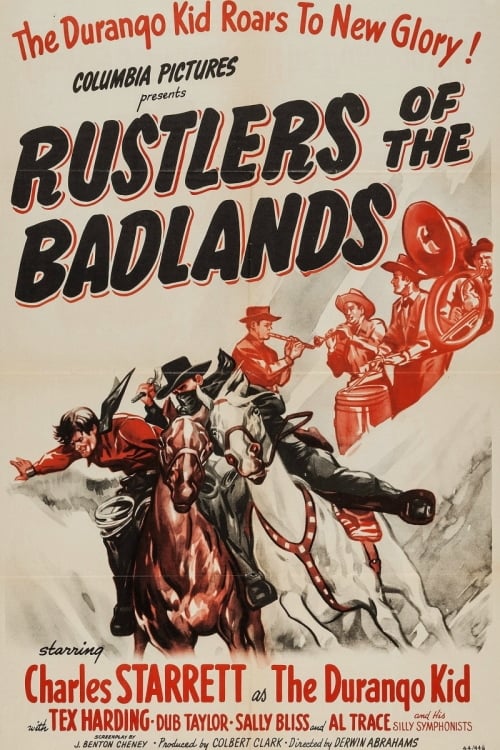
Rustlers of the Badlands
1945
No user ratings available yet
Diversity score: 1.3 out of 10

1945
ApprovedDirector
Jack Scholl
Runtime
20 minutes
Average Rating
No ratings yetSynopsis
A cavalry officer is framed for the murder of a fellow officer and cashiered out of the army. After he gets out of prison he vows to find the renegade who framed him and bring him to justice.
Overall Score
Limited
Category Breakdown
LGBTQ+ Representation
The film operates within the strict heteronormative constraints of 1945 cinema. There is no evidence of LGBTQ+ characters or narratives that critique traditional social norms.
Gender Representation
The story centers on a male cavalry officer's quest for justice. It lacks female characters with significant agency or intellect relative to the male protagonist.
Racial & Ethnic Diversity
The narrative follows conventional Western tropes with a centralized white protagonist. It reflects the homogeneous casting norms typical of the mid-century studio system.
Religious & Cultural Diversity
The film utilizes a classic justice and retribution framework. It aligns with traditional Western values of law and individual responsibility without disrupting the cultural status quo.
Disability Representation
There is no indication of characters with visible or invisible disabilities. The focus remains entirely on the protagonist's physical and moral struggle.
Strengths
Areas for Improvement
AI Analysis
Law of the Badlands is a conventional 1945 Western that adheres strictly to the genre's established tropes. The narrative focuses on a male cavalry officer seeking vindication after being framed, prioritizing traditional themes of military honor and personal retribution. The film offers very little in the way of diverse representation. It functions within a mid-century framework that emphasizes a white, masculine protagonist and lacks significant roles for women, LGBTQ+ individuals, or people with disabilities. Ultimately, the film serves as a standard genre piece of its era. It reinforces historical social hierarchies rather than subverting them through intersectional storytelling or varied character perspectives.
1945
1951
1929
1932

1958
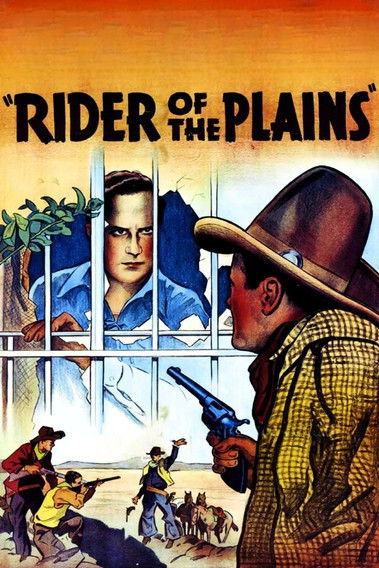
1931
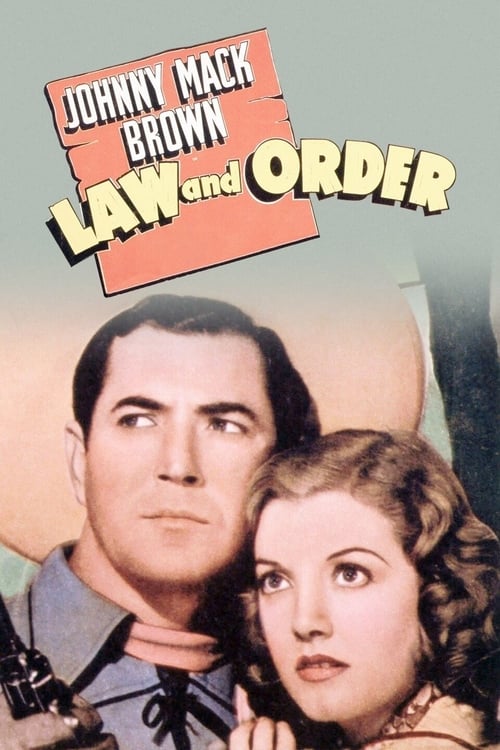
1940
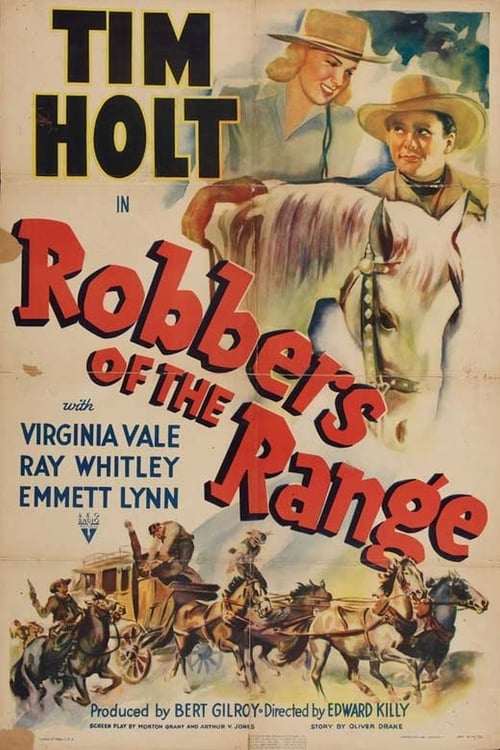
1941
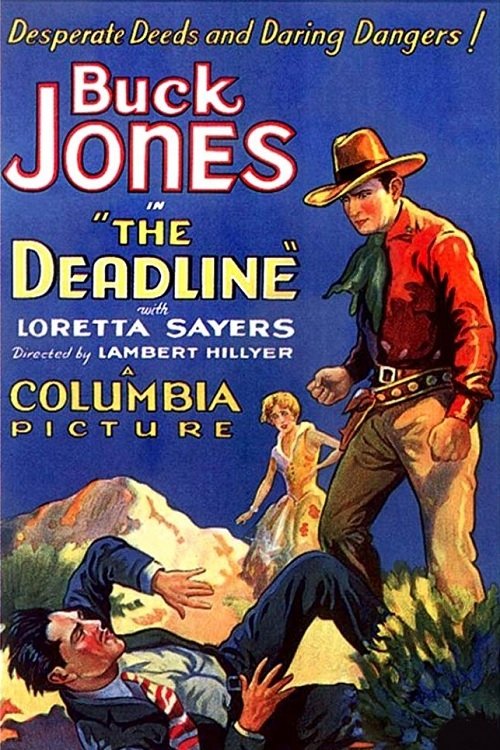
1931
1949
1964
1950
No reviews yet. Be the first to share your thoughts on this movie!
Use the rating form above to leave a star rating and optional review.