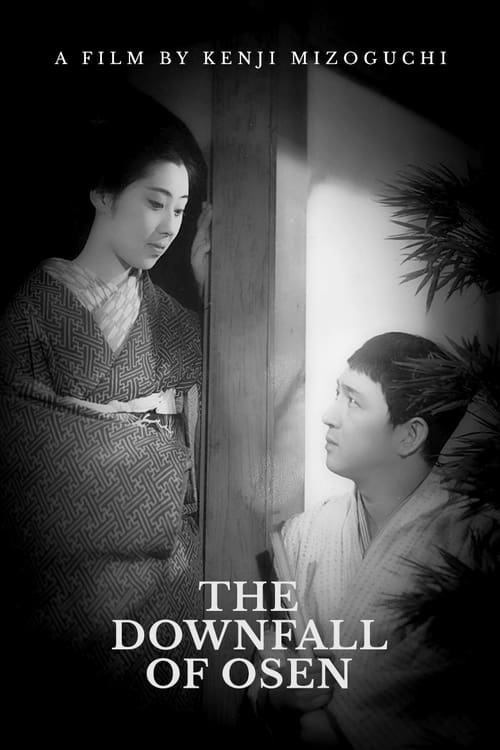
The Downfall of Osen
1935
No user ratings available yet
Diversity score: 5.8 out of 10
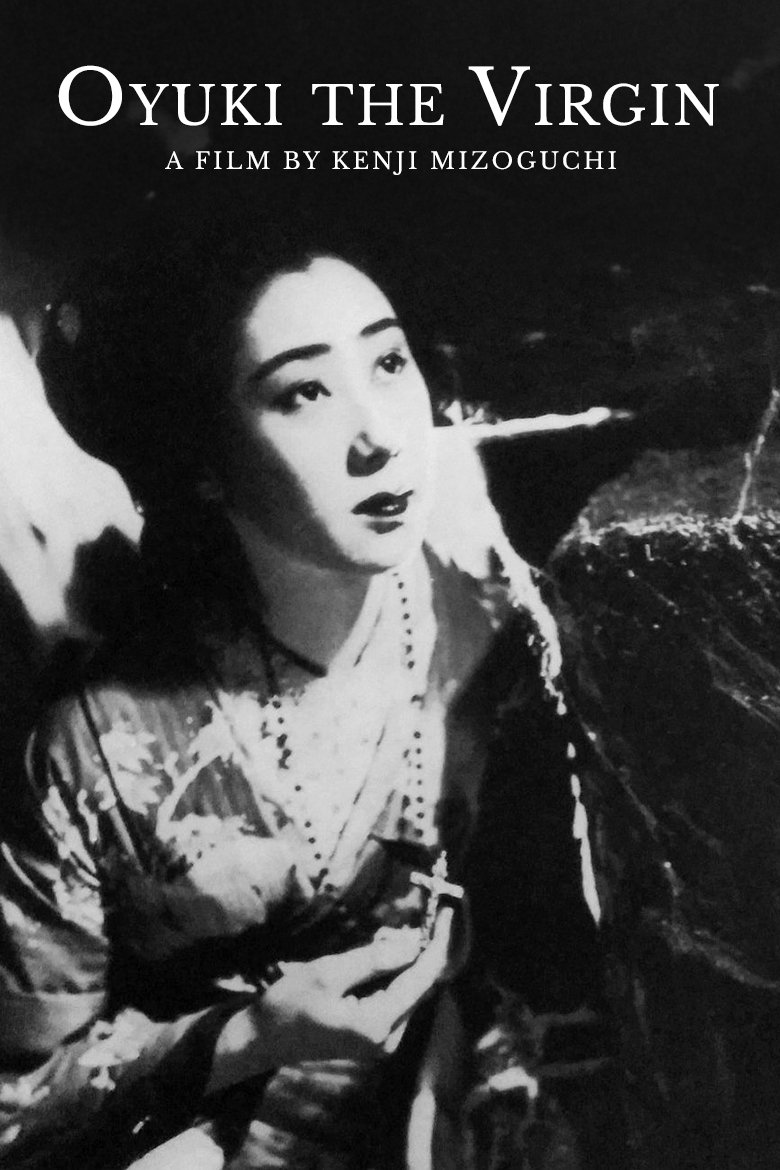
1935
Director
Kenji Mizoguchi
Runtime
78 minutes
Average Rating
No ratings yetSynopsis
When a civil war threatens to break out, two geishas flee from their village with aristocrats. During the long journey, the socially inferior women prove to be morally superior to their betters.
Overall Score
Fair
Category Breakdown
LGBTQ+ Representation
The film adheres to the heteronormative social expectations of 1930s Japan. There are no documented non-cisnormative gender identities or same-sex romantic narratives present.
Gender Representation
The narrative centers on female protagonists like Oyuki, positioning them as the story's moral and intellectual core. It subverts patriarchal tropes by showing women possess superior virtue compared to the aristocratic men.
Racial & Ethnic Diversity
The cast is ethnically homogeneous, reflecting the historical authenticity of a period piece set in Japan. It maintains a neutral baseline without engaging in whitewashing.
Religious & Cultural Diversity
The story critiques traditional power structures by framing the aristocracy as morally inferior to the lower classes. It highlights the human cost of rigid, feudal social constraints.
Disability Representation
There is no discernible representation of physical, sensory, or neurodivergent disabilities. The characters' primary struggles are socioeconomic and gender-based.
Strengths
Areas for Improvement
AI Analysis
Kenji Mizoguchi’s work provides an early cinematic critique of how class and gender intersect to marginalize individuals. The film is notable for its progressive narrative architecture, which systematically deconstructs the perceived moral superiority of the ruling class. While the film lacks modern markers of LGBTQ+ or disability representation, it excels in its subversion of gendered hierarchies. By centering female agency and virtue within a restrictive social order, it challenges the era's traditional tropes. Ultimately, the film serves as a powerful study of systemic oppression, using the journey of geishas to expose the flaws in feudal social institutions.
1935
1936
1952
1937
1954

1956
1953
1964
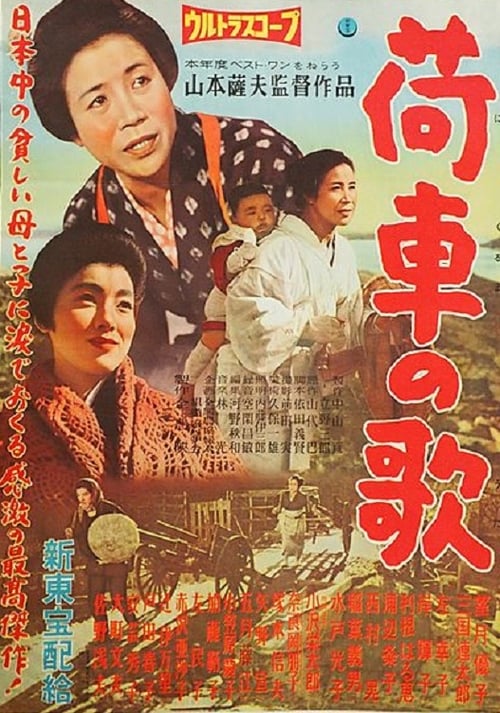
1959

1954
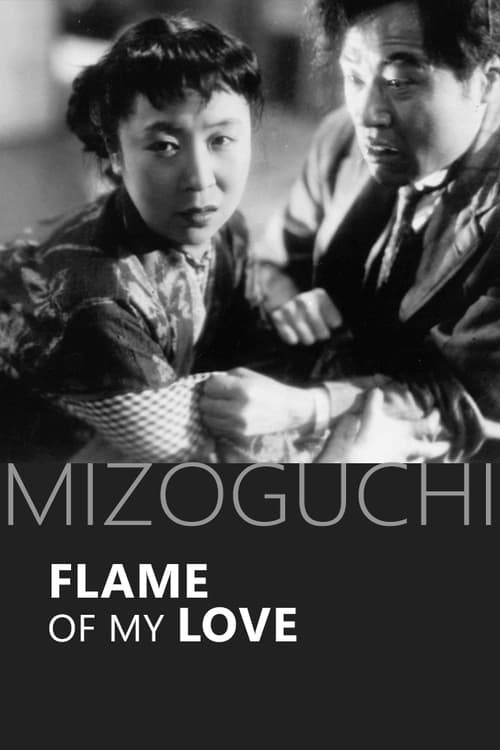
1949
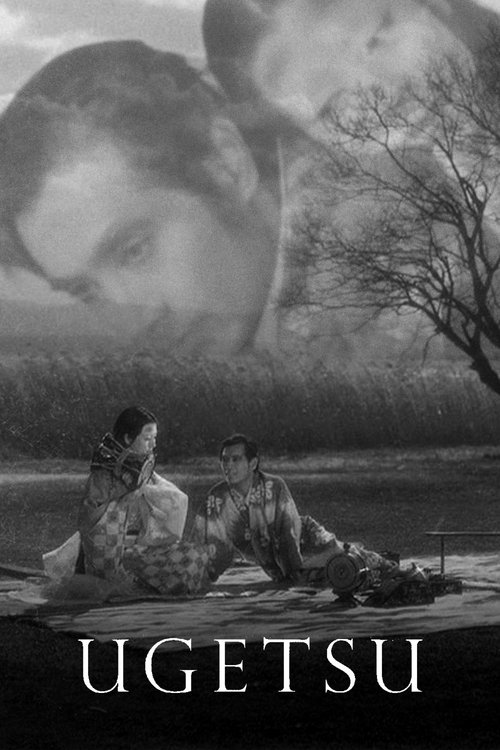
1953
No reviews yet. Be the first to share your thoughts on this movie!
Use the rating form above to leave a star rating and optional review.