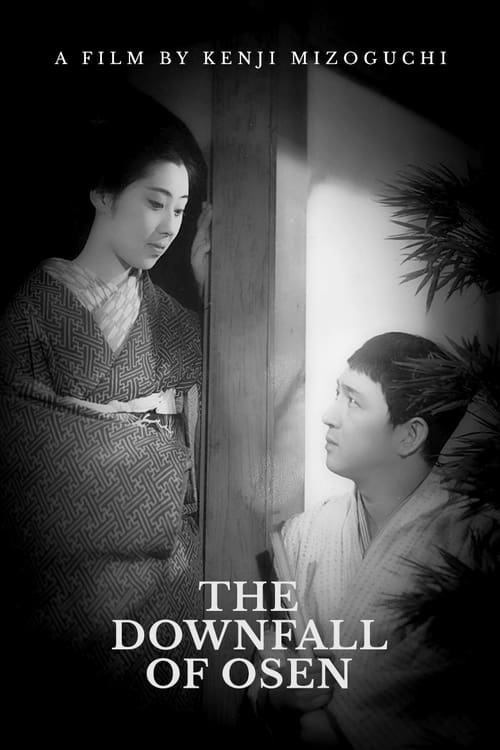
The Downfall of Osen
1935
No user ratings available yet
Representation score: 4.3 out of 10
Representation Score
Fair
1936
Director
Kenji Mizoguchi
Runtime
69 minutes
Average Rating
No ratings yetNew Showbiz Analysis
Mizoguchi’s drama is a critical examination of systemic inequality, moving beyond melodrama to explore how economic structures shape human behavior. It focuses on the lived experiences of women navigating financial vulnerability in pre-war Kyoto. The film stands out by framing character decisions through economic necessity rather than simplistic morality. This approach dismantles the myth of stable social order and highlights the tension between individual ability to act and institutional oppression. While the film lacks LGBTQ+ representation and disability narratives, its strength lies in its sophisticated critique of proto-capitalist structures and gendered labor.
Category Breakdown
The film does not include any LGBTQ+ characters or narratives. The interpersonal relationships focus solely on romantic and economic connections within the Gion district.
Women play key roles in ensuring survival in a competitive environment. The film challenges traditional hierarchies by showing male characters' fragility and dependence on financial stability.
The cast is predominantly Japanese, reflecting the historical context of the film. It provides a genuine, non-Western perspective on class and gender issues.
The story critiques traditional institutions and the sanctity of the family unit. It portrays morality as being shaped by the demands of economic survival.
There are no prominent depictions of visible or invisible disabilities used as central narrative drivers in this work.
Present on Screen
Limited or Absent
Official Synopsis
A geisha in the Gion district of Kyoto feels obliged to help her lover when he asks to stay with her after going bankrupt and leaving his wife. However, her younger sister opposes this, thinking that they should both find wealthy patrons to support them.
1935

1956

1936
1952
1954
1953
1947
1956
No reviews yet. Be the first to share your thoughts on this movie!
Use the rating form above to leave a star rating and optional review.