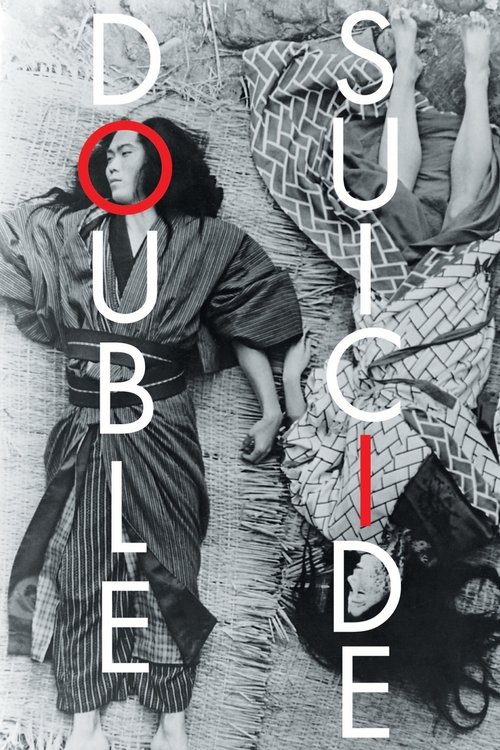
Double Suicide
1969
No user ratings available yet
Representation score: 5.3 out of 10

Representation Score
Fair
1954
Not RatedDirector
Kenji Mizoguchi
Runtime
102 minutes
Average Rating
No ratings yetNew Showbiz Analysis
Kenji Mizoguchi’s work serves as a profound critique of systemic oppression rather than a modern showcase of identity politics. The film excels at dismantling the romanticized clichés of historical drama, instead focusing on how rigid social and economic hierarchies crush individual ability to act. While the film lacks LGBTQ+ representation and modern diversity markers, it provides a sophisticated look at the interplay between gender and class. The use of stylized theater allows for a critical observation of how institutional power functions. Ultimately, the film's value lies in its ability to center complex female perspectives within a restrictive patriarchal framework, making it a vital piece of non-Western cinematic history.
Category Breakdown
The film focuses on a heterosexual love story set during the Edo period. There are no depictions of LGBTQ+ relationships or non-cisgender identities.
The narrative emphasizes the female experience, presenting O-rin as a complex character rather than a passive figure. It highlights the dehumanizing impact of a patriarchal society.
The cast and setting are ethnically uniform due to the historical context. However, the film asserts a unique cultural identity that challenges Western cinematic traditions.
The film uses bunraku puppet theater to critique the transactional nature of the Edo period. It portrays social institutions as cold systems that commodify human life.
There are no specific depictions of physical or neurodivergent disabilities that play a central role in the narrative.
Present on Screen
Limited or Absent
Official Synopsis
When the wife of a 17th-century Kyoto scrollmaker is falsely accused of having an affair with his best employee, the pair flee the city and find themselves truly falling for one another.
1969
1951
1951
1955
1961
1994
1949
1955
No reviews yet. Be the first to share your thoughts on this movie!
Use the rating form above to leave a star rating and optional review.