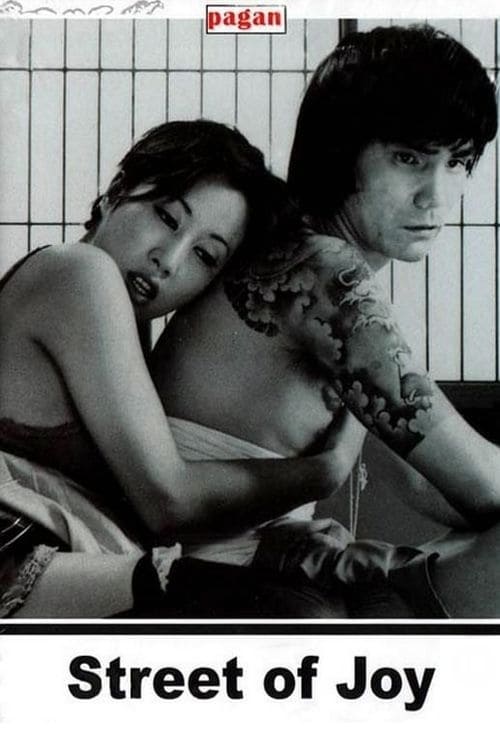
Street of Joy
1974
No user ratings available yet
Representation score: 8.9 out of 10

Representation Score
Excellent
1956
Not RatedDirector
Kenji Mizoguchi
Runtime
87 minutes
Average Rating
No ratings yetNew Showbiz Analysis
Kenji Mizoguchi’s direction provides a profound exploration of gender and class, centering the resilience of women within a predatory patriarchal system. The film excels at deconstructing how legal and economic institutions facilitate exploitation. However, the narrative remains limited by its historical and geographic specificity. The lack of LGBTQ+ representation and the homogeneous ethnic cast prevent a higher aggregate score despite the film's social depth. Ultimately, the work is a powerful critique of systemic failure, framing its protagonists as victims of societal structures rather than moral transgressors.
Category Breakdown
The film focuses on the socioeconomic realities of sex workers and their male clients, but it doesn't explicitly include non-cisgender identities or challenge the assumption that everyone is straight or cisgender through a queer lens.
Mizoguchi subverts traditional hierarchies by showing women as resilient individuals navigating a system of commodification. The narrative critiques patriarchal structures that strip these women of their ability to act.
The cast is ethnically homogeneous, reflecting its mid-century Japanese setting. However, it avoids Western-centric orientalism by providing a grounded, localized critique of systemic oppression.
The film offers a sophisticated critique of capitalist structures and institutionalized morality. It portrays traditional institutions like law and family as complicit in cycles of poverty.
There is minimal focus on physical or neurodivergent disabilities. The characters' physical and psychological tolls are treated as symptoms of systemic exhaustion rather than specific disability narratives.
Present on Screen
Limited or Absent
Official Synopsis
Follows five sex workers employed at a Japanese brothel while the nation debates the passage of an anti-prostitution law.
1974
1952

1961

1998
1946

1963
1948
1967
No reviews yet. Be the first to share your thoughts on this movie!
Use the rating form above to leave a star rating and optional review.