
Chikamatsu Monogatari
1954
No user ratings available yet
Diversity score: 5.8 out of 10
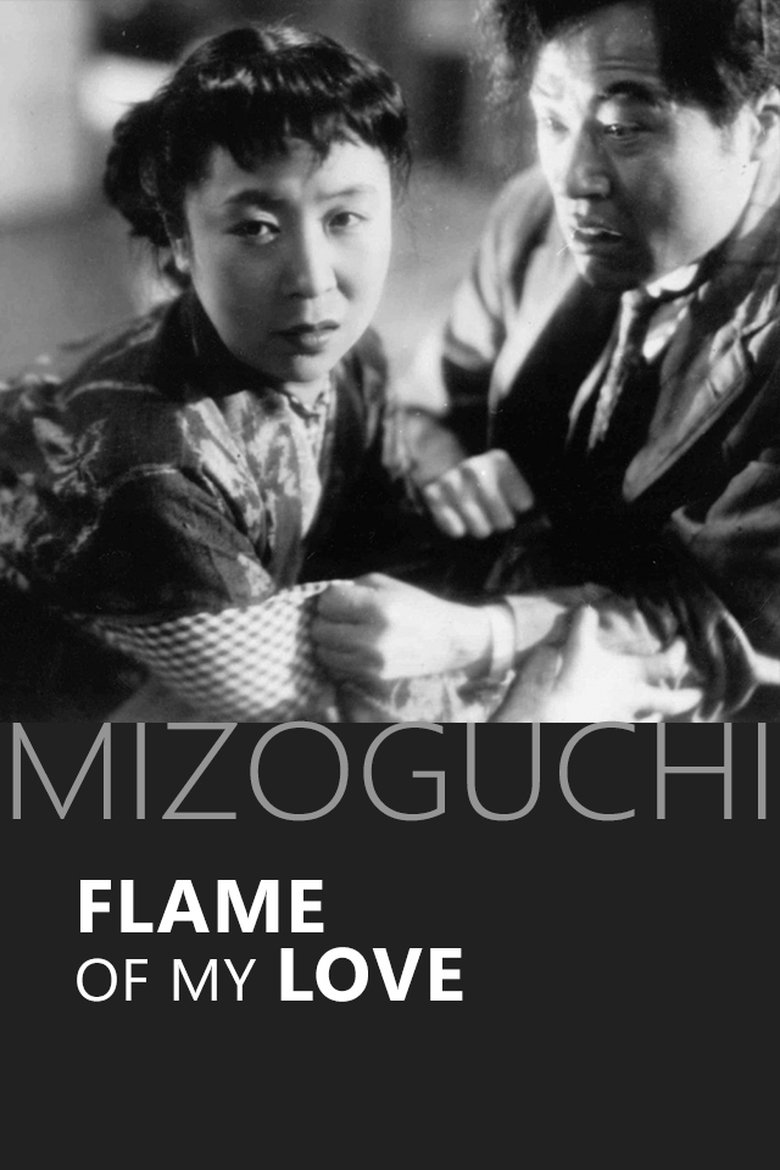
1949
Director
Kenji Mizoguchi
Runtime
84 minutes
Average Rating
No ratings yetSynopsis
In 1880s Japan, women's struggle for equality rages on. Eiko Hirayama leaves Okayama for Tokyo, where she helps the fledgling Liberal Party and falls in love with its leader Kentaro Omoi, just as the party is being disbanded by the government.
Overall Score
Good
Category Breakdown
LGBTQ+ Representation
The film focuses on the romantic connection between Eiko Hirayama and Kentaro Omoi. It adheres to the heteronormative social structures of the Meiji era, with no visible non-cisnormative identities.
Gender Representation
Eiko Hirayama serves as a proactive protagonist fighting for equality within the Liberal Party. The narrative highlights the friction between female agency and the restrictive patriarchal structures of 1880s Japan.
Racial & Ethnic Diversity
Set in Japan, the film features a homogenous Japanese cast. It maintains cultural authenticity within its specific historical context rather than utilizing intersectional racial blending.
Religious & Cultural Diversity
The story offers a sophisticated critique of traditional institutions and political volatility. It depicts the struggle against rigid authority and the deconstruction of the established social order.
Disability Representation
There is no discernible focus on visible or invisible disabilities within the narrative or historical context provided.
Strengths
Areas for Improvement
AI Analysis
Kenji Mizoguchi’s work excels in its subversion of traditional gender roles. By centering the story on a woman's political and romantic struggle, the film moves beyond the trope of the passive female protagonist. The film's strength lies in its systemic critique of Meiji-era power dynamics. It effectively uses a specific historical moment to examine the tension between individual agency and institutional oppression. However, the film lacks modern intersectional markers. The absence of LGBTQ+ visibility and racial plurality limits its diversity score, despite its deep engagement with gender politics.
1954
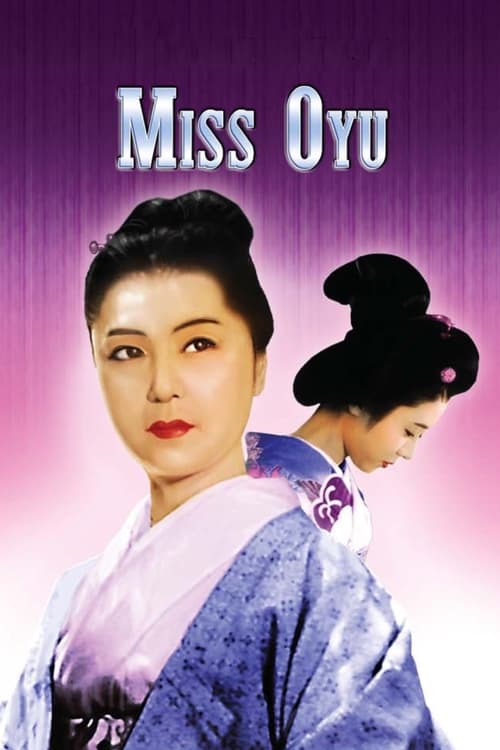
1951
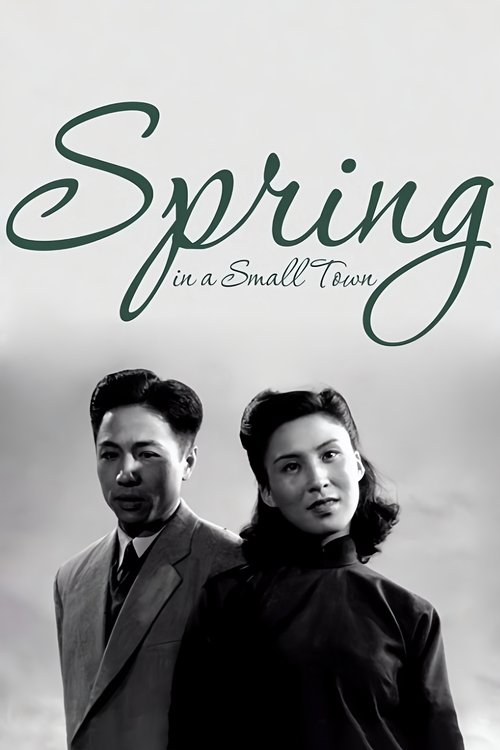
1948
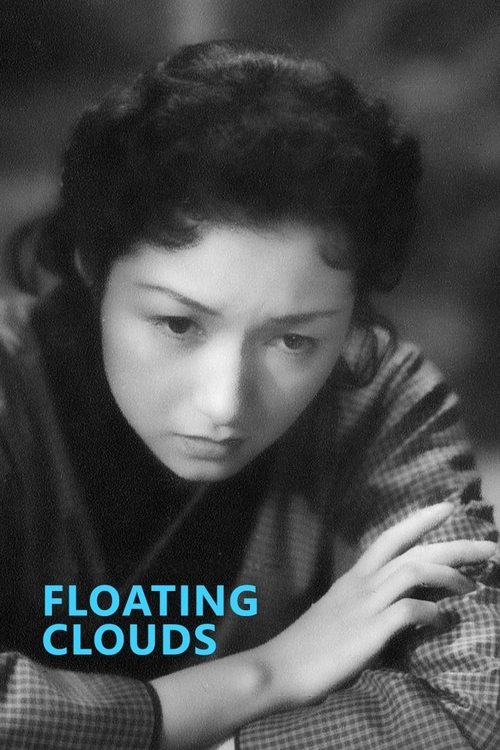
1955

1964
1964
1992

1992
1964
1955
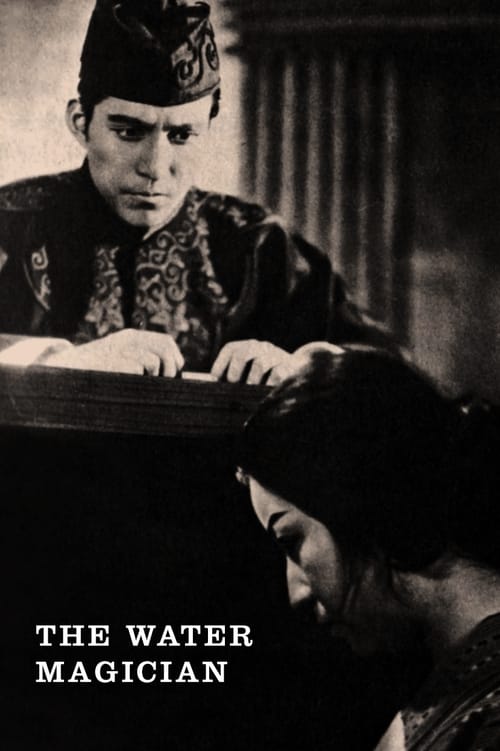
1933
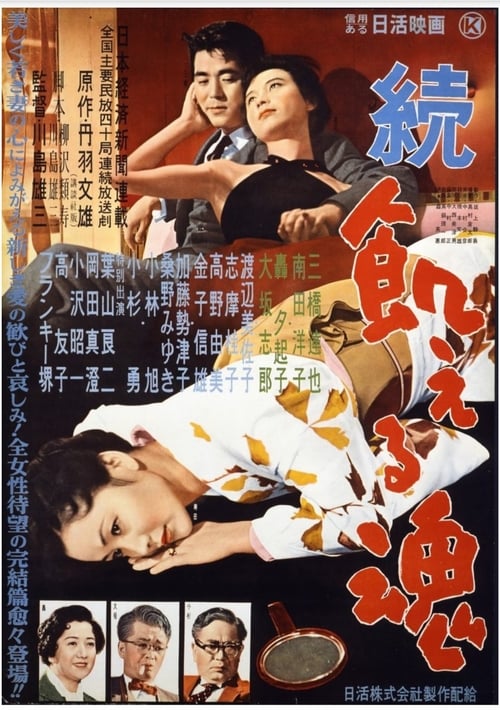
1956
No reviews yet. Be the first to share your thoughts on this movie!
Use the rating form above to leave a star rating and optional review.