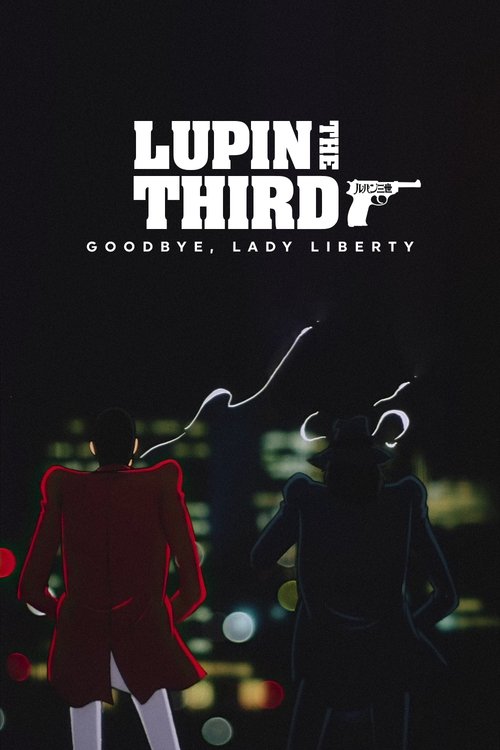
Lupin the Third: Bye Bye, Lady Liberty
1989
No user ratings available yet
Diversity score: 4.1 out of 10

1992
Director
Osamu Dezaki
Runtime
88 minutes
Average Rating
No ratings yetSynopsis
Notorious thief Lupin the Third aims to steal the lost treasure of the Romanov royal family with his criminal associates along for the ride. The treasure is an immense quantity of gold hidden underground in the vaults of a mysterious Texas bank. But to obtain the gold, Lupin and his friends will have to face down both the Mafia and Rasputon, the telepathic descendant of the mad monk Rasputin. Lupin again eludes inspector Zenigata with the help of a mysterious blonde named Judy Scott, as Rasputon manipulates the world's leaders to put every obstacle in Lupin's path.
Overall Score
Limited
Category Breakdown
LGBTQ+ Representation
The film lacks explicit LGBTQ+ characters or non-heteronormative romantic arcs. Interpersonal dynamics focus on traditional romantic interests and established male camaraderie, avoiding derogatory tropes but failing to subvert heteronormative structures.
Gender Representation
Female characters like Judy Scott and Rasputon often serve as catalysts for male protagonists. However, Rasputon gains agency through her telepathic abilities, acting as a central antagonist rather than a passive figure.
Racial & Ethnic Diversity
The ensemble reflects a globalized aesthetic, moving beyond a strictly Anglo-centric focus. Characters are defined more by professional roles than specific ethnic identities, lacking deep intersectional exploration of race.
Religious & Cultural Diversity
The narrative centers on a professional thief, framing criminal ingenuity as personal liberation. It critiques rigid state-sanctioned order by navigating the tensions of Soviet and international espionage.
Disability Representation
There is no meaningful representation of physical or neurodivergent disabilities. Rasputon’s telepathy serves as a supernatural plot device rather than a nuanced exploration of disability or neurodivergence.
Strengths
Areas for Improvement
AI Analysis
The film operates primarily as a high-stakes genre piece centered on the 'gentleman thief' archetype. It prioritizes individual agency and moral relativism over the reinforcement of traditional social hierarchies. While it lacks explicit intersectional representation regarding gender and identity, the work earns points for its narrative architecture. It celebrates the outsider status of its protagonists against established state institutions. Ultimately, the film's focus remains on espionage and criminal competence, which limits its depth in terms of diverse identity representation.
1989

1990

2008
2010
2004

2006

2011

2013
1991
1995

1983

1998
No reviews yet. Be the first to share your thoughts on this movie!
Use the rating form above to leave a star rating and optional review.