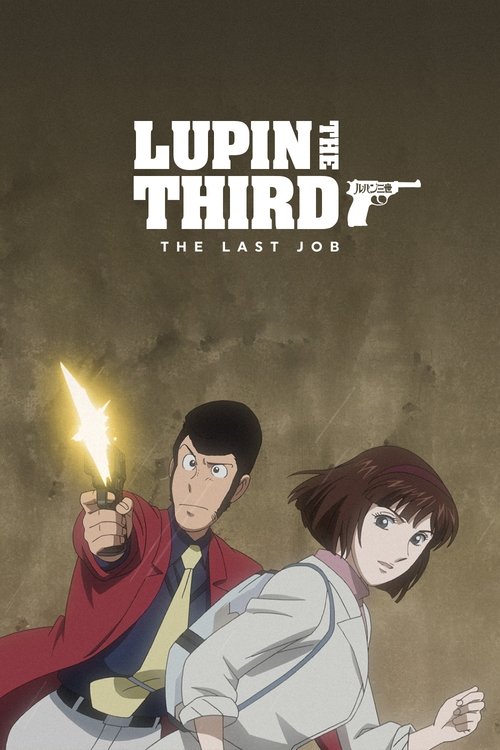
Lupin the Third: The Last Job
2010
No user ratings available yet
Diversity score: 3.6 out of 10

2008
PG-13Director
Tetsuro Amino
Runtime
91 minutes
Average Rating
No ratings yetSynopsis
Gifted thief Lupin the Third scores a "magic lamp" and finds it contains a genie. However, after the clock strikes 7 p.m., he can't seem to remember anything… Finding himself in Singapore, Lupin must battle his way past the forces of Colonel Garlic and discover the secret behind the lamp – but every night at 7 p.m., his memory is wiped clean! How can Lupin piece together this puzzle when he can't even remember what he's doing?
Overall Score
Limited
Category Breakdown
LGBTQ+ Representation
The story centers on the established romantic tension between Lupin and Fujiko Mine. It lacks explicit depictions of non-cisnormative identities, remaining focused on heteronormative tropes.
Gender Representation
Fujiko Mine provides high agency, using intellect and manipulation to drive the plot. However, the film relies on the femme fatale archetype, which leans into traditional gendered tropes.
Racial & Ethnic Diversity
Setting the film in Singapore allows for a multicultural atmosphere and a diverse supporting cast. Despite this, central narrative agency remains concentrated within the Japanese protagonist group.
Religious & Cultural Diversity
The narrative deconstructs institutional authority by framing theft as a source of individual agency. Characters prioritize personal codes over state-sanctioned morality and Western legal frameworks.
Disability Representation
There are no prominent depictions of physical or neurodivergent disabilities. The memory-loss mechanic serves as a high-concept plot device rather than a nuanced exploration of cognitive disability.
Strengths
Areas for Improvement
AI Analysis
Lupin the Third: Sweet Lost Night is a postmodern heist adventure that excels at subverting traditional authority and moral hierarchies. By positioning thieves as empowered individuals, the film avoids conventional legalistic storytelling. However, the film's diversity is limited by its narrow character focus. While the Singaporean setting offers a multicultural backdrop, the core agency stays with the Japanese leads, and the lack of LGBTQ+ representation keeps the score low. Ultimately, the film succeeds in disrupting gender passivity through Fujiko Mine, even if it occasionally falls back on established archetypes.
2010
1990
1992
2004
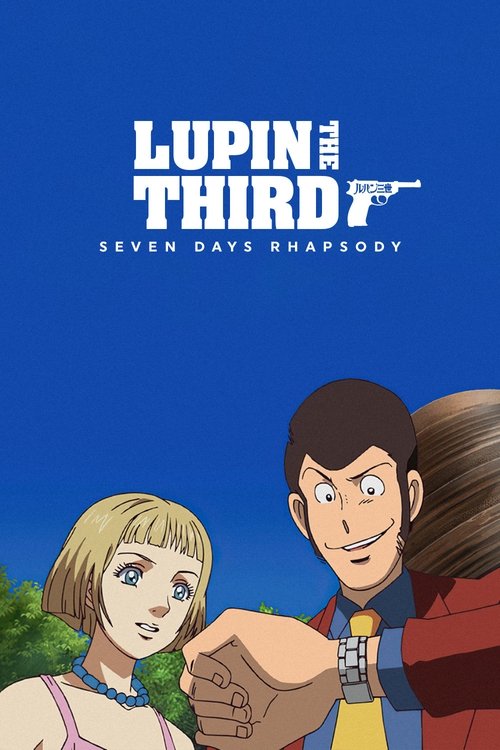
2006
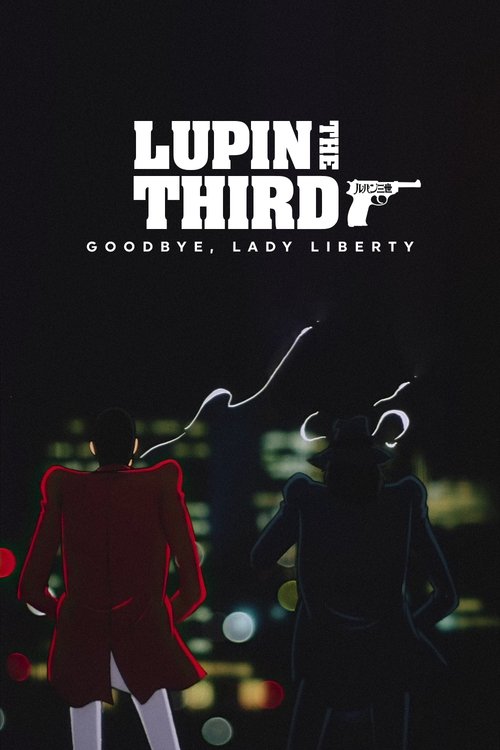
1989
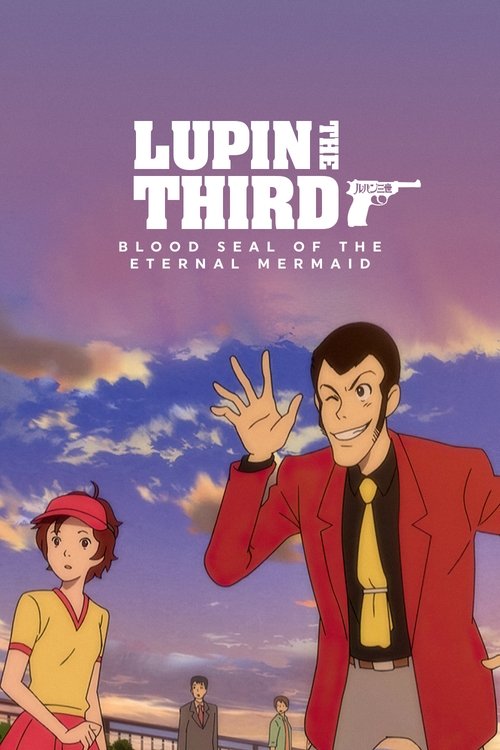
2011
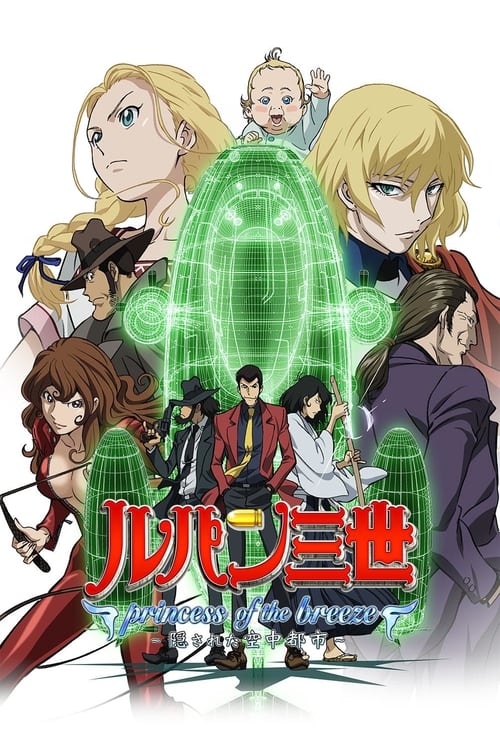
2013
No reviews yet. Be the first to share your thoughts on this movie!
Use the rating form above to leave a star rating and optional review.