
Lupin the Third: Bye Bye, Lady Liberty
1989
No user ratings available yet
Representation score: 5.7 out of 10
Representation Score
Limited
2006
PG-13Director
Hajime Kamegaki
Runtime
90 minutes
Average Rating
No ratings yetNew Showbiz Analysis
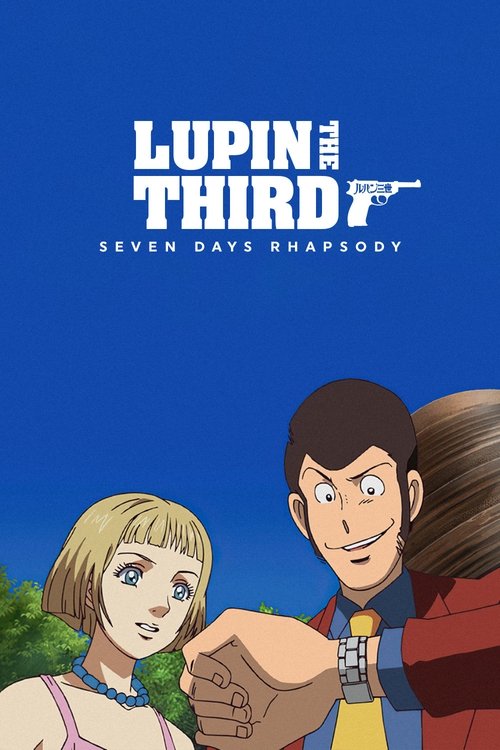
Lupin the Third: Seven Days Rhapsody is a classic heist adventure that primarily adheres to traditional genre conventions. The film's standout feature is the dynamic between Fujiko Mine and the male leads, which challenges some traditional gender roles. However, the film maintains a narrow focus on a homogenous demographic, lacking diverse representation in terms of LGBTQ+, disabilities, and ethnic diversity. Ultimately, the film celebrates individual wit and the code of thieves, but it does so within a limited social context.
Category Breakdown
The film does not include any LGBTQ+ characters or non-binary gender identities. The story revolves around traditional romantic clichés and does not explore any LGBTQ+ themes.
Fujiko Mine stands out as a strong female lead who uses her intelligence to manipulate male characters, avoiding the typical passive role. However, her character sometimes falls into the traditional femme fatale stereotype.
The cast and setting are predominantly homogeneous, with no significant effort to include multi-ethnic or international actors.
The story frames criminal behavior as a sophisticated lifestyle, downplaying moral failings and emphasizing individual wit over adherence to legal institutions.
The film does not feature any characters with visible or invisible disabilities, nor does it explore narratives centered around physical or neurodivergent conditions.
Present on Screen
Limited or Absent
Official Synopsis
After a successful heist at the race track, talented thief Lupin has his sights set on a valuable diamond set to be displayed in seven days. His plan is complicated when he saves a young girl named Michelle from a group of thugs. Michelle's father is very rich and connected to the diamond; her father also enlists an old mercenary friend of Jigen to persuade Jigen to work for him. Goemon has also been hired by Fujiko to assist her in her own plans for the diamond. With no one to turn to and double-crosses galore, can Lupin pull things together in a week?
1989
1979
2010

2019
2004
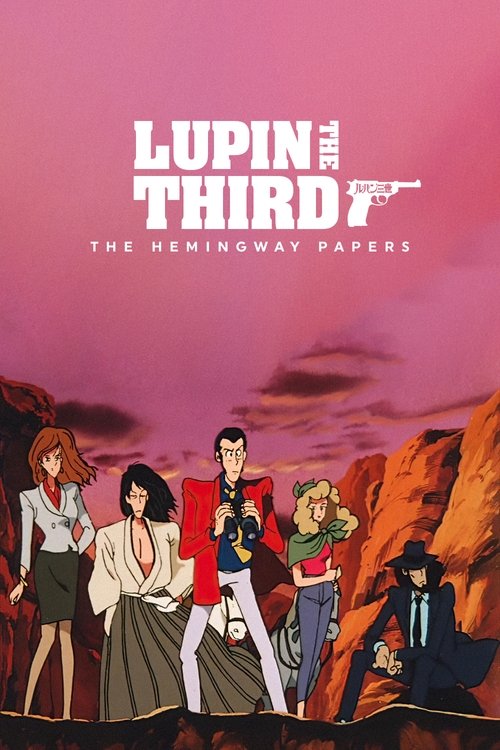
1990
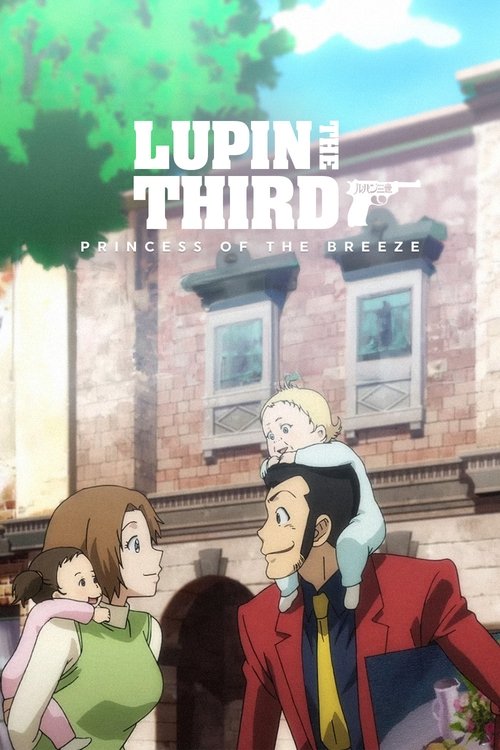
2013

2008
No reviews yet. Be the first to share your thoughts on this movie!
Use the rating form above to leave a star rating and optional review.