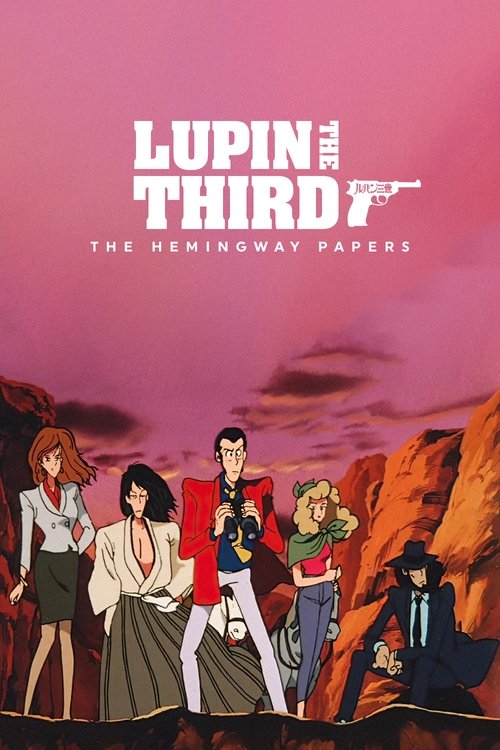
Lupin the Third: The Hemingway Papers
1990
No user ratings available yet
Representation score: 4.3 out of 10
Representation Score
Good
1991
Director
Osamu Dezaki
Runtime
90 minutes
Average Rating
No ratings yetNew Showbiz Analysis
Osamu Dezaki’s direction emphasizes stylistic subversion and atmospheric tension over explicit demographic representation. The film functions as sophisticated genre fiction that prioritizes aesthetic expression and the deconstruction of moral hierarchies. While the work lacks a wide range of diverse identities, it succeeds in portraying women's ability to drive the story and rejecting the standard law-versus-criminal dichotomy. The protagonists' disregard for authority serves as a form of narrative liberation. Ultimately, the film's strength lies in its moral relativism and its ability to frame anti-social behavior through a lens of personal ability to act and adventure.
Category Breakdown
The film does not feature any prominent LGBTQ+ characters or storylines. The interpersonal dynamics focus on the established tensions between Lupin and Fujiko Mine, with no visible queer-coded subtext.
Fujiko Mine disrupts traditional gender roles by operating who play a significant role in driving the story. She uses her intellect and manipulation to navigate male-dominated spaces, preventing her from becoming a passive damsel in distress.
Representation remains centered on the core Japanese ensemble despite the international setting. While it avoids a purely Western-centric cast, there is no significant evidence of intentional racial blending.
The narrative prioritizes individualistic pursuits and personal honor over institutional law. By framing theft as a vehicle for adventure, the film critiques absolute state authority and traditional morality.
The primary cast consists of highly capable, high-functioning agents of action. There are no prominent depictions of physical or neurodivergent disabilities used as narrative devices.
Present on Screen
Limited or Absent
Official Synopsis
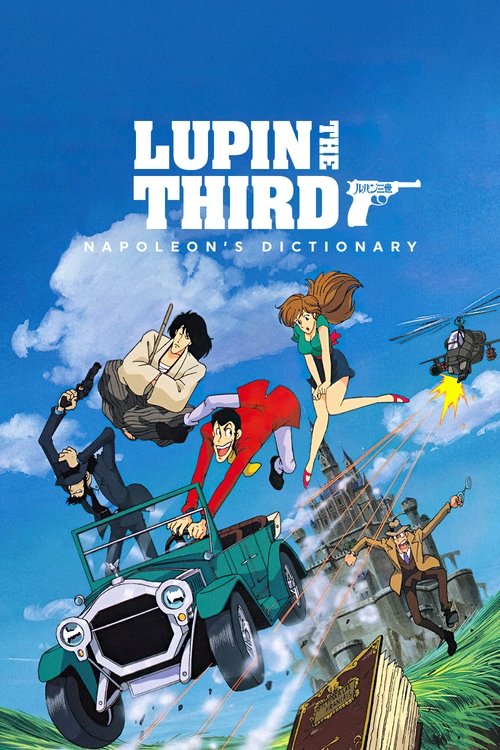
The secret of the Lupin family treasure is out: its location is written inside a dictionary once owned by Napoleon Bonaparte himself! When the dictionary turns up as the prize for a historic motor car race, the notorious Lupin the Third and his criminal cadre race the world's superpowers to win - or steal - the Dictionary and unearth his grandfather's legacy of riches!
1990
1979
1989
2019

1992
2003
1994

2000
No reviews yet. Be the first to share your thoughts on this movie!
Use the rating form above to leave a star rating and optional review.