
Lupin the Third: Missed by a Dollar
2000
No user ratings available yet
Representation score: 4.0 out of 10
Representation Score
Limited
2013
Director
Takaomi Kanasaki
Runtime
90 minutes
Average Rating
No ratings yetNew Showbiz Analysis
The film functions as a traditional genre piece that prioritizes escapism and character-driven momentum. It relies heavily on established archetypes rather than challenging social or cultural norms. While the visual setting suggests a globalized world, the core narrative remains centered on a homogeneous ensemble. The representation of women is mixed, offering ability to act through manipulation but often relying on sexualized power dynamics. Ultimately, the work maintains a conservative approach to representation. It favors individualistic adventure over any meaningful deconstruction of social order or systemic oppression.
Category Breakdown
The film follows traditional structures that assume everyone is straight and cisgender. There are no characters with non-binary genders or same-sex relationships.
Fujiko Mine plays a significant role in driving the story as a strategist, but she often fits into the femme fatale cliché. Yutika provides motivation but sometimes falls into traditional feminine roles.
The film features a Mediterranean-inspired aesthetic that adds visual diversity. However, the main narrative focuses on a primarily Japanese ensemble.
The story emphasizes personal intrigue and mystery rather than ideological commentary. It leans on the romanticism of the gentleman thief archetype.
There are no characters with visible or invisible disabilities that play a central role in the narrative.
Present on Screen
Limited or Absent
Official Synopsis
After a chaotic heist, Lupin and Jigen find themselves becoming caretakers of a baby boy, while a young sky pirate called Yutika is after their loot. Yutika is an inhabitant of the city-state of Shahalta, which has recently fallen to a shady minister. Soon, Lupin's gang and Yutika join forces to uncover one of Shahalta's greatest treasures, facing off against both Shahaltan authorities and Zenigata.
2000
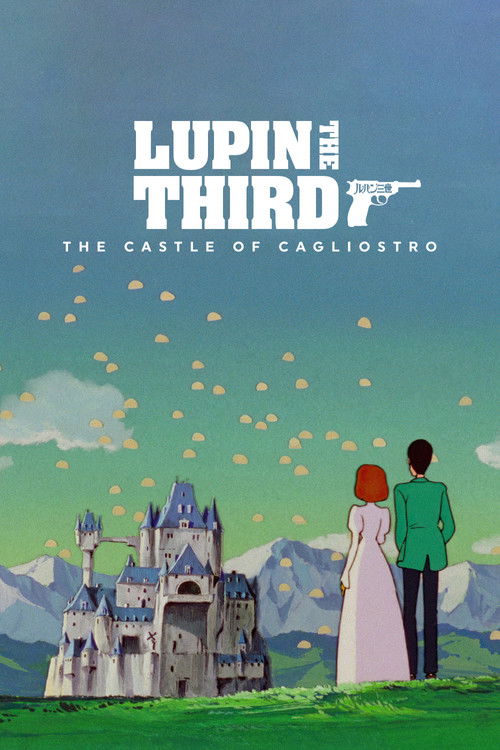
1979
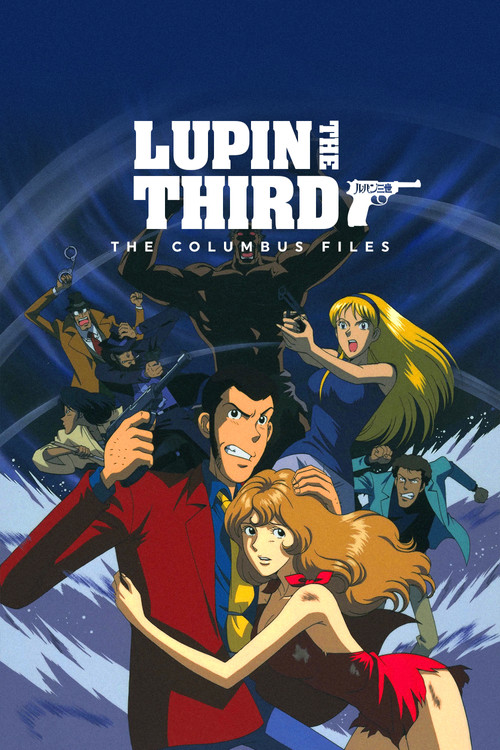
1999
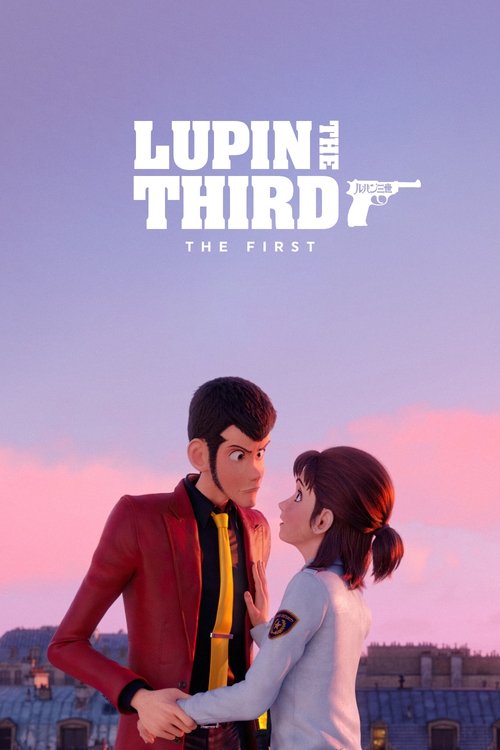
2019
2001
2002
2019
2010
No reviews yet. Be the first to share your thoughts on this movie!
Use the rating form above to leave a star rating and optional review.