
Lupin the Third: Bye Bye, Lady Liberty
1989
No user ratings available yet
Representation score: 5.7 out of 10
Representation Score
Fair
2010
Director
Tetsuro Amino
Runtime
92 minutes
Average Rating
No ratings yetNew Showbiz Analysis
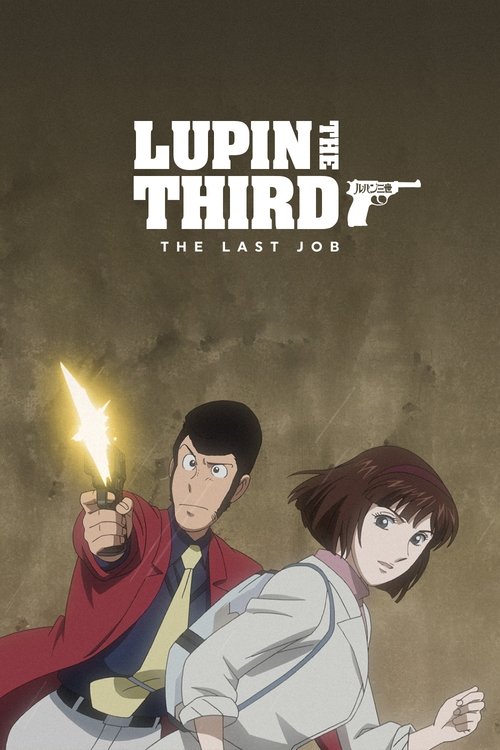
Lupin the Third: The Last Job is a character-driven heist story that focuses on genre conventions rather than social subversion. While it offers a nuanced portrayal of female independence through Fujiko Mine, the film remains largely homogeneous in its character composition. The narrative succeeds in creating a morally relativistic world where the protagonists operate outside traditional legal structures. This provides a subtle critique of institutional rigidity and the pursuit of wealth. However, the film lacks depth in representing diverse racial identities, LGBTQ+ narratives, or disability. It functions within a relatively narrow demographic framework.
Category Breakdown
The film does not include any explicit LGBTQ+ characters or storylines. The relationship dynamics focus on the long-standing tension between Lupin and Fujiko Mine, which is centered around heterosexual relationships.
Fujiko Mine stands out as a strong, independent woman who subverts traditional gender roles. However, the film still relies on the classic femme fatale archetype.
The cast is primarily Japanese, reflecting the franchise's roots. Even though the story includes international settings like Germany, there is limited representation of diverse racial or ethnic backgrounds.
The story uses moral relativism to challenge state-sanctioned morality. It portrays theft as a sophisticated lifestyle rather than a moral failing.
The film does not depict any visible or invisible disabilities. Characters are portrayed through high-action archetypes without any neurodivergent representation.
Present on Screen
Limited or Absent
Official Synopsis
Lupin begins his heist by stealing a newly-discovered Japanese cultural treasure being transported to Germany. During his attempt to steal the treasure, however, he witnesses the always-ambitious Zenigata's supposed "death," a plan hatched by a ninja clan who are also after the treasure. Can Lupin and his friends prevent the ninja clan from obtaining what they seek?
1989

2019
1990
1979

2008

2011
2004
2006
No reviews yet. Be the first to share your thoughts on this movie!
Use the rating form above to leave a star rating and optional review.