Lupin the Third: Bye Bye, Lady Liberty
1989
No user ratings available yet
Representation score: 5.7 out of 10
Representation Score
Good
2004
PG-13Director
Hidehito Ueda
Runtime
97 minutes
Average Rating
No ratings yetNew Showbiz Analysis
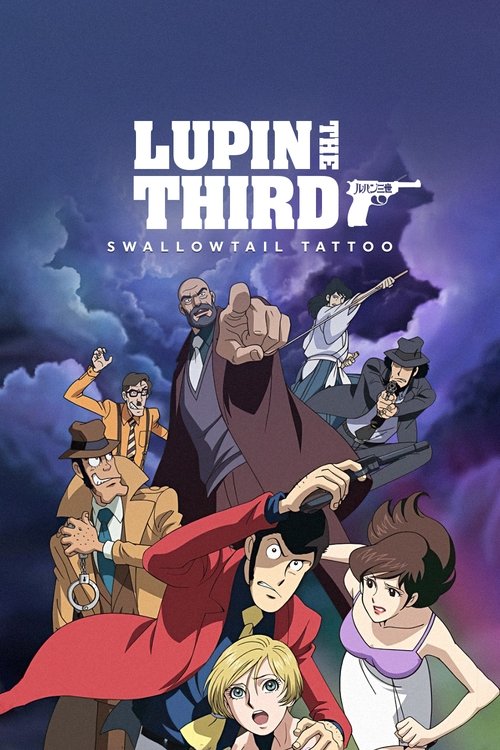
Lupin the Third: Swallowtail Tattoo provides a sophisticated critique of systemic authority and capitalist control. It successfully challenges traditional gender power dynamics through Fujiko Mine's strategic ability to act and intellectual dominance. However, the film remains tied to traditional character archetypes. The absence of LGBTQ+ representation and the narrow focus on a Japanese ensemble limits its broader social inclusivity. While the setting suggests a globalized, postmodern world, the character diversity does not fully match the atmospheric scope of the environment.
Category Breakdown
The film adheres to typical franchise conventions, emphasizing heterosexual relationships. There is no depiction of non-binary gender identities or same-sex relationships in the main storyline.
Fujiko Mine challenges traditional gender roles by playing a significant role in driving the plot. She uses her intelligence and manipulation skills to navigate a male-dominated environment, becoming a key figure in the story.
The film combines futuristic elements with traditional Japanese aesthetics, suggesting a globalized society. However, the cast primarily consists of Japanese actors.
The story critiques modern institutions and the commodification of identity through technology. It portrays the protagonists' actions as a form of rebellion against systemic control and capitalist structures.
Characters are defined by their professional skills within the heist genre. The film does not focus on visible or invisible disabilities as narrative devices.
Present on Screen
Limited or Absent
Official Synopsis
Fujiko and Lupin are kidnapped by Malkovich, a notorious criminal escaped from Alcatraz who forces Lupin to steal the "Bull's Eye," a precious stone.
1989
1979
2010
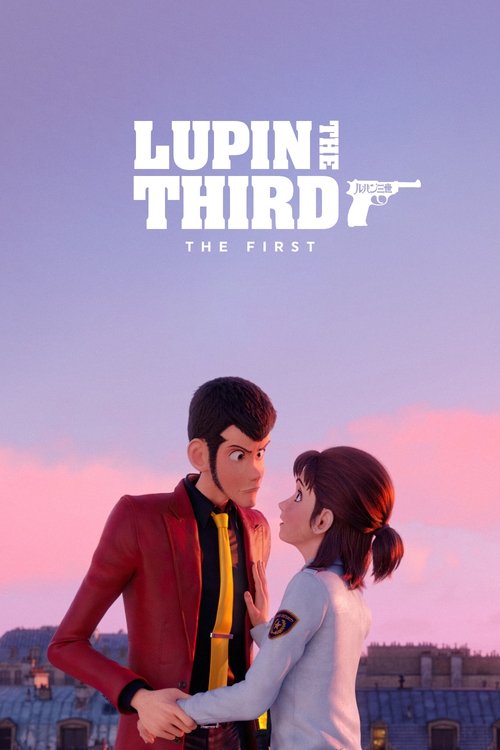
2019
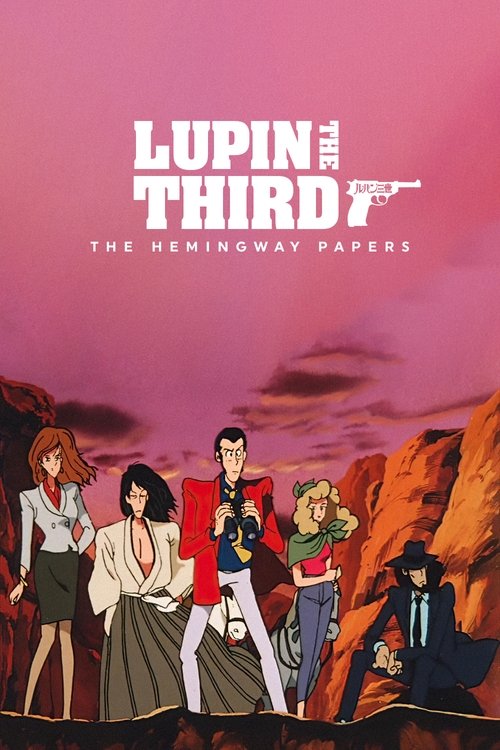
1990
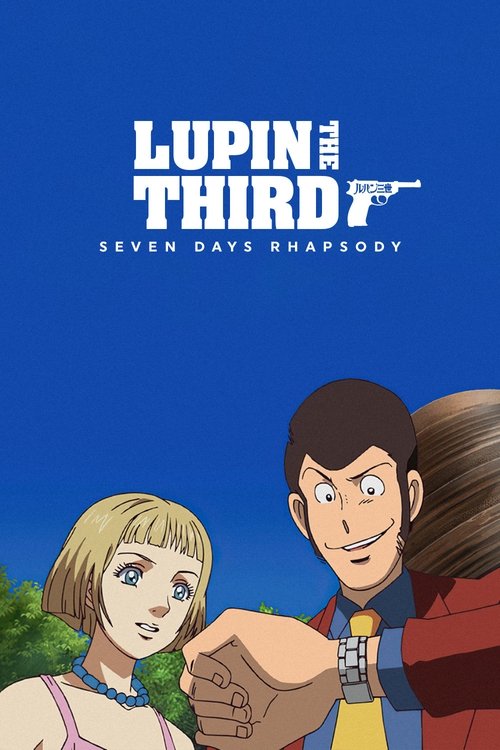
2006
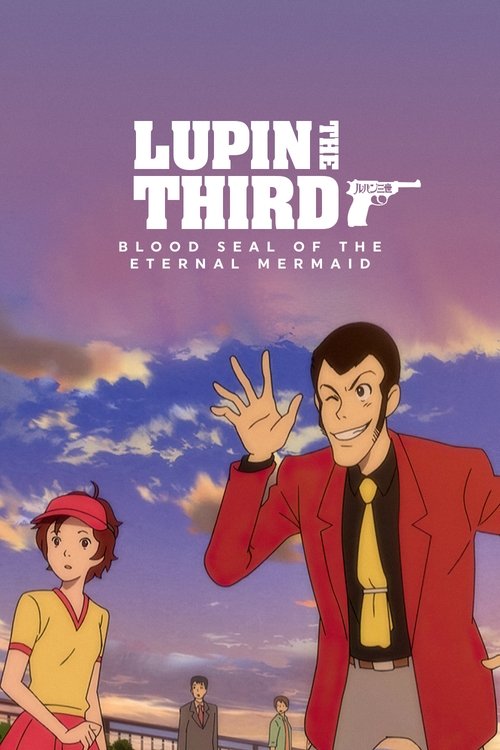
2011

2008
No reviews yet. Be the first to share your thoughts on this movie!
Use the rating form above to leave a star rating and optional review.