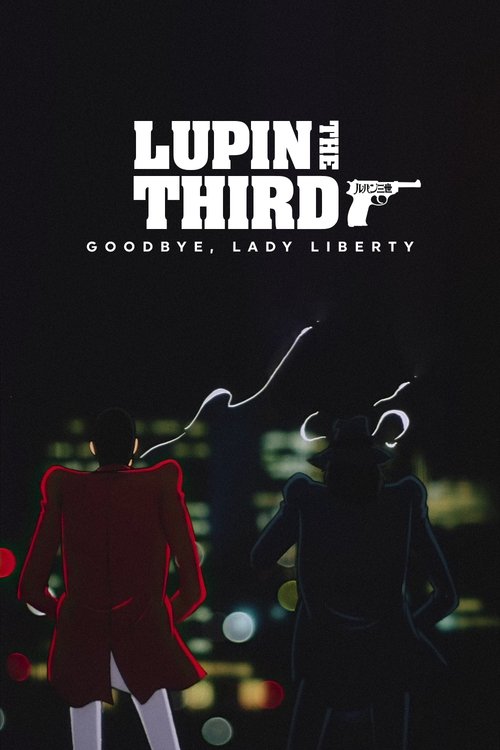
Lupin the Third: Bye Bye, Lady Liberty
1989
No user ratings available yet
Representation score: 5.7 out of 10
Representation Score
Fair
1990
Director
Osamu Dezaki
Runtime
92 minutes
Average Rating
No ratings yetNew Showbiz Analysis
Osamu Dezaki’s direction emphasizes stylistic noir and moral ambiguity over overt social commentary. The film disrupts traditional gender roles through Fujiko’s strong presence and personal ambition, presenting a woman who acts independently rather than being defined by traditional feminine roles. However, the work is limited by a homogeneous cast and a lack of engagement with LGBTQ+ or disability-centric narratives. The focus remains on established franchise archetypes within a globalized setting that lacks multi-layered depth. Ultimately, the film favors situational ethics and postmodern storytelling. It challenges institutional morality through its protagonists' vigilantism, even if it avoids deeper systemic critiques.
Category Breakdown
The film does not include any visible LGBTQ+ characters or non-assuming gender matches what was assigned at birth identities. The interpersonal dynamics center around traditional heterosexual relationships, such as the flirtatious relationship between Lupin and Fujiko.
Fujiko Mine challenges traditional gender roles by acting as a capable, self-interested individual. She avoids the 'damsel in distress' stereotype, using her own initiative to manipulate male protagonists for her personal goals.
The main characters are ethnically uniform, all Japanese. Despite the international setting, the film does not incorporate diverse racial backgrounds to challenge the status quo.
The story explores moral relativism through professional criminals operating outside state law. However, it does not explicitly critique Western or capitalist systems, focusing instead on personal gain.
The film does not depict any characters with physical or neurodevelopmental disabilities. The characters are portrayed within the typical parameters of high-action protagonists without engaging with disability-focused narratives.
Present on Screen
Limited or Absent
Official Synopsis
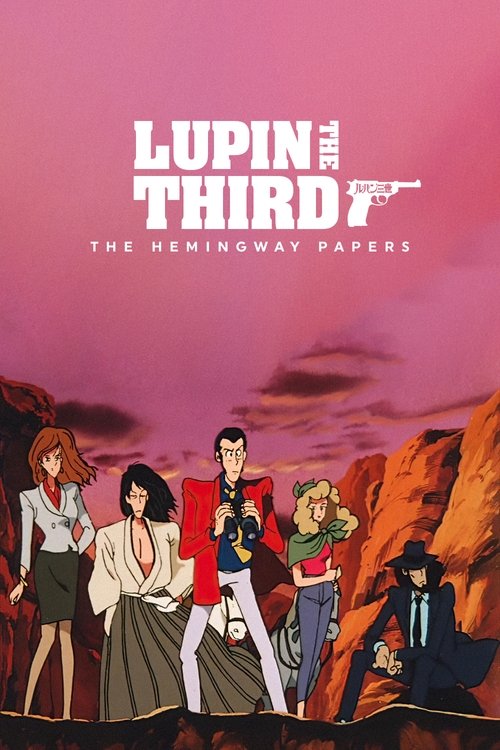
A bloody civil war is the setting for Lupin's latest caper; the leader for one of the factions holds documents written by Earnest Hemingway and contain the location of a remarkable treasure. With Goemon and Jigen fighting on opposite sides of the war, Lupin must tackle this challenge alone. As the war rages on, can Lupin secure the treasure and keep Goemon and Jigen from killing each other?!
1989
2019
2010
1979
2004
2006
2013

2008
No reviews yet. Be the first to share your thoughts on this movie!
Use the rating form above to leave a star rating and optional review.