
Lupin the Third: Return of Pycal
2002
No user ratings available yet
Representation score: 6.2 out of 10
Representation Score
Good
2011
Director
Teiichi Takiguchi
Runtime
92 minutes
Average Rating
No ratings yetNew Showbiz Analysis
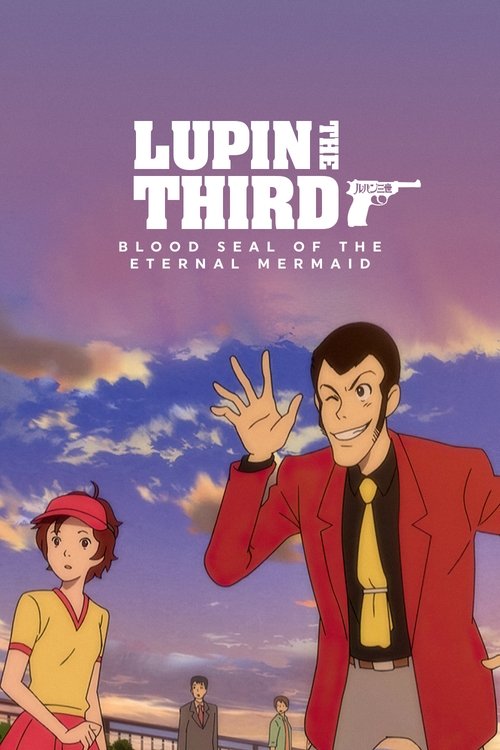
Lupin the Third: Blood Seal of the Eternal Mermaid is a genre-driven piece that finds its strength in character's ability to drive the story. The film successfully challenges traditional gendered power hierarchies by presenting a female lead who operates with high autonomy and intellect. However, the film remains limited by its narrow demographic focus. The lack of diverse ethnic casting and visible LGBTQ+ representation keeps the narrative within traditional genre bounds. Ultimately, the film celebrates individualistic rebellion over institutional morality, though it does so within a relatively homogeneous social framework.
Category Breakdown
The story centers on romantic tension between Lupin and Fujiko Mine, which is oriented toward straight relationships. The film avoids derogatory clichés but lacks visible LGBTQ+ representation or queer-coded character arcs.
Fujiko Mine serves as a actively leading protagonist who uses intellect and autonomy to navigate the underworld. Her character disrupts conventional domestic expectations and challenges traditional male power dynamics.
The cast is largely homogeneous and rooted in Japanese animation traditions. While it uses mythological metaphors, there is no significant evidence of diverse ethnic casting or characters who reflect more than one aspect of diversity.
The film explores moral relativism through a protagonist who rebels against systemic control. However, it lacks a specific critique of Western capitalism or broader political frameworks.
The narrative focuses on professional competencies in crime and adventure. There is no significant evidence regarding the portrayal of physical or neurodivergent disabilities.
Present on Screen
Limited or Absent
Official Synopsis
Gemstone, the Mermaid's Scale, appears in a secret, underground auction. The queen of the underworld coerces Lupin into stealing the rock for her. Quickly discovering not only that the stone is a forgery, but that the real Mermaid's Scale is part of an unsolved riddle that leads to transcending mortality!
2002
1979

1996

2019

2004
2003
1989

1999
No reviews yet. Be the first to share your thoughts on this movie!
Use the rating form above to leave a star rating and optional review.