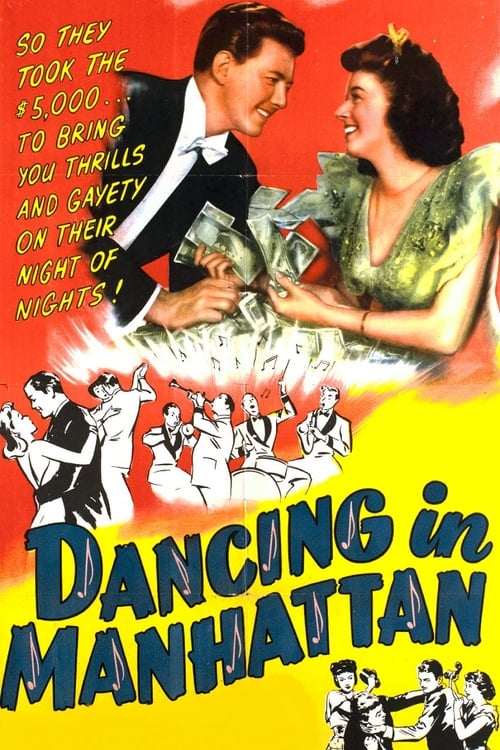
Dancing in Manhattan
1944
No user ratings available yet
Diversity score: 2.6 out of 10
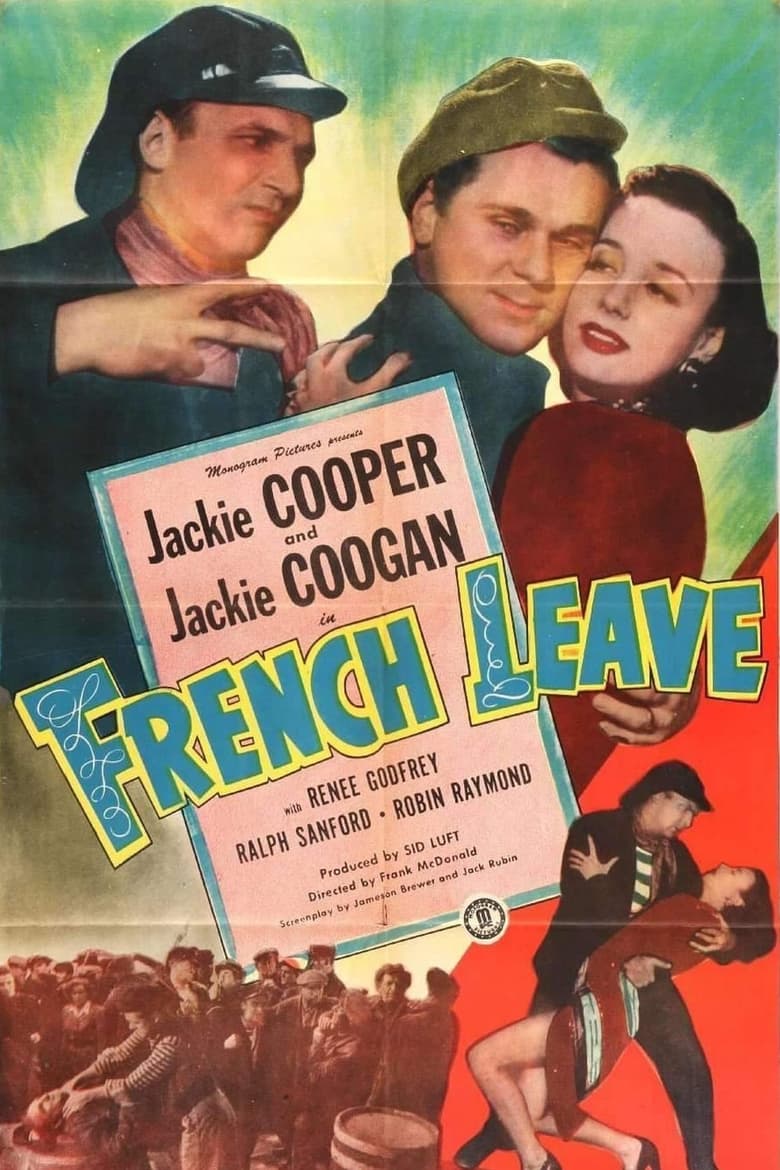
1948
ApprovedDirector
Frank McDonald
Runtime
63 minutes
Average Rating
No ratings yetSynopsis
Merchant seaman Skitch Kilroy (Jackie Cooper) and "Pappy" Reagan (Jackie Coogan)arrive in Marseilles, eager to resume their combative rivalry for Mimi. But they are ordered by their skipper Muldoon (Ralph Sanford) to remain on board and guard against theft of foodstuffs by a black market gang.
Overall Score
Limited
Category Breakdown
LGBTQ+ Representation
The film adheres to mid-century cinematic conventions. It lacks non-cisnormative identities or same-sex intimacy, focusing instead on heteronormative romantic structures.
Gender Representation
The narrative is predominantly masculine, centering on male camaraderie and rivalry. Women function primarily as romantic motivations rather than active plot drivers.
Racial & Ethnic Diversity
The cast appears largely homogeneous, focusing on American and Western European experiences. The Marseilles setting lacks evidence of meaningful racial or ethnic depth.
Religious & Cultural Diversity
The story operates within traditional wartime moral frameworks. It explores character through comedic tension rather than offering systemic critiques of Western institutions.
Disability Representation
There is no evidence of characters with physical or neurodivergent disabilities within the film's context.
Strengths
Areas for Improvement
AI Analysis
French Leave is a quintessential product of its 1948 studio era, prioritizing established social norms over demographic breadth. The plot centers on male sailors and their competition for a female interest, reinforcing traditional gender hierarchies and heteronormative structures. The film lacks intersectional complexity, focusing on a homogeneous cast that reflects the Western-centric perspective of the time. While the setting offers international flavor, it does not translate into significant racial or cultural depth. Ultimately, the film serves as a standard mid-century comedy-romance. It relies on masculine archetypes and conventional storytelling rather than challenging the status quo or providing diverse representation.
1944
1933
1944
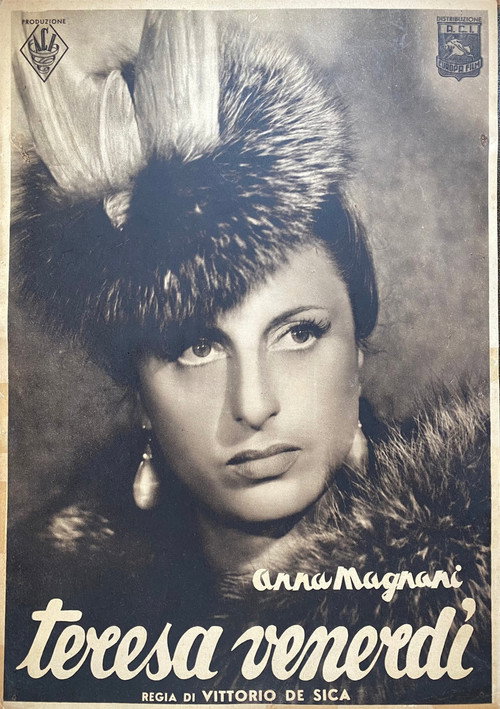
1941

1926
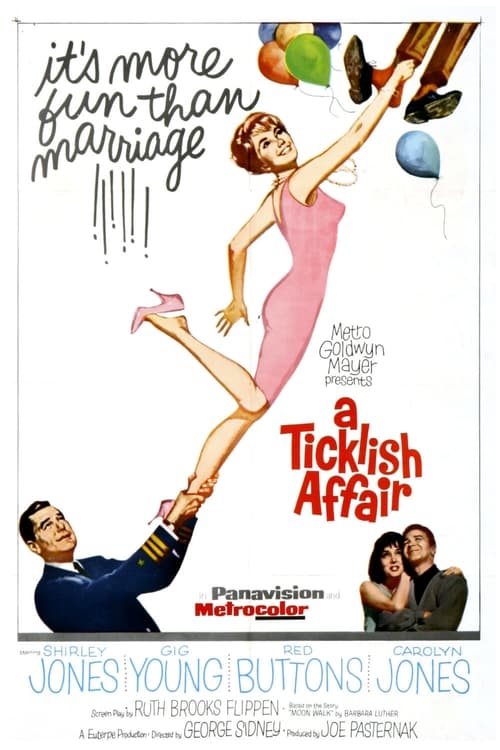
1963
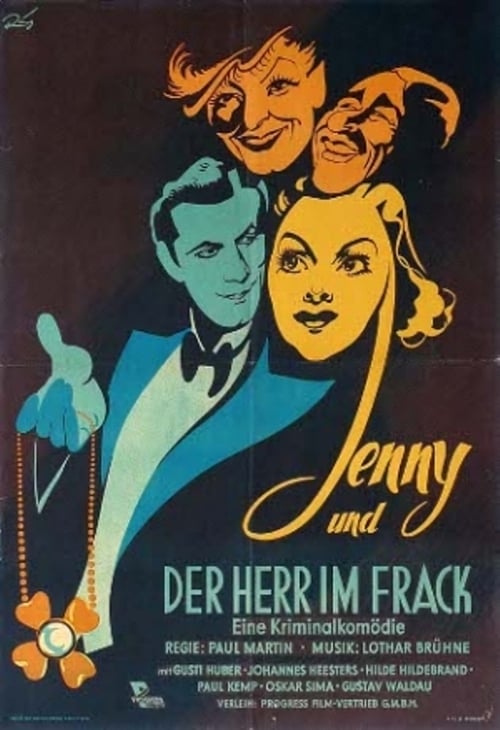
1941
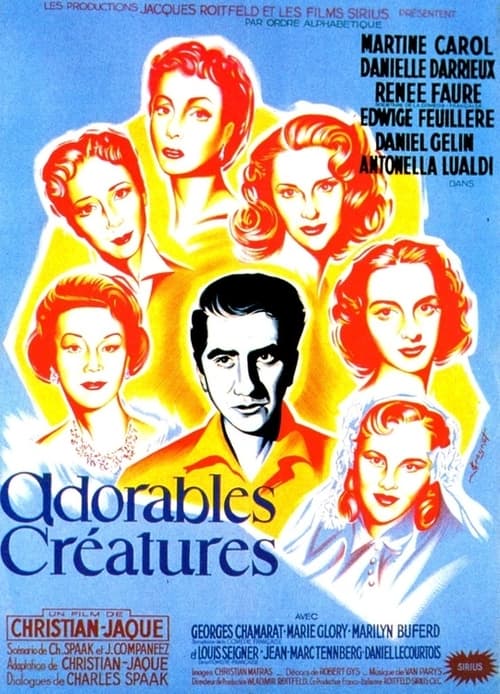
1952
1941

1947
1961
1954
No reviews yet. Be the first to share your thoughts on this movie!
Use the rating form above to leave a star rating and optional review.