
The Matinee Idol
1928
No user ratings available yet
Diversity score: 2.8 out of 10
1933
Director
Raoul Walsh
Runtime
64 minutes
Average Rating
No ratings yetSynopsis
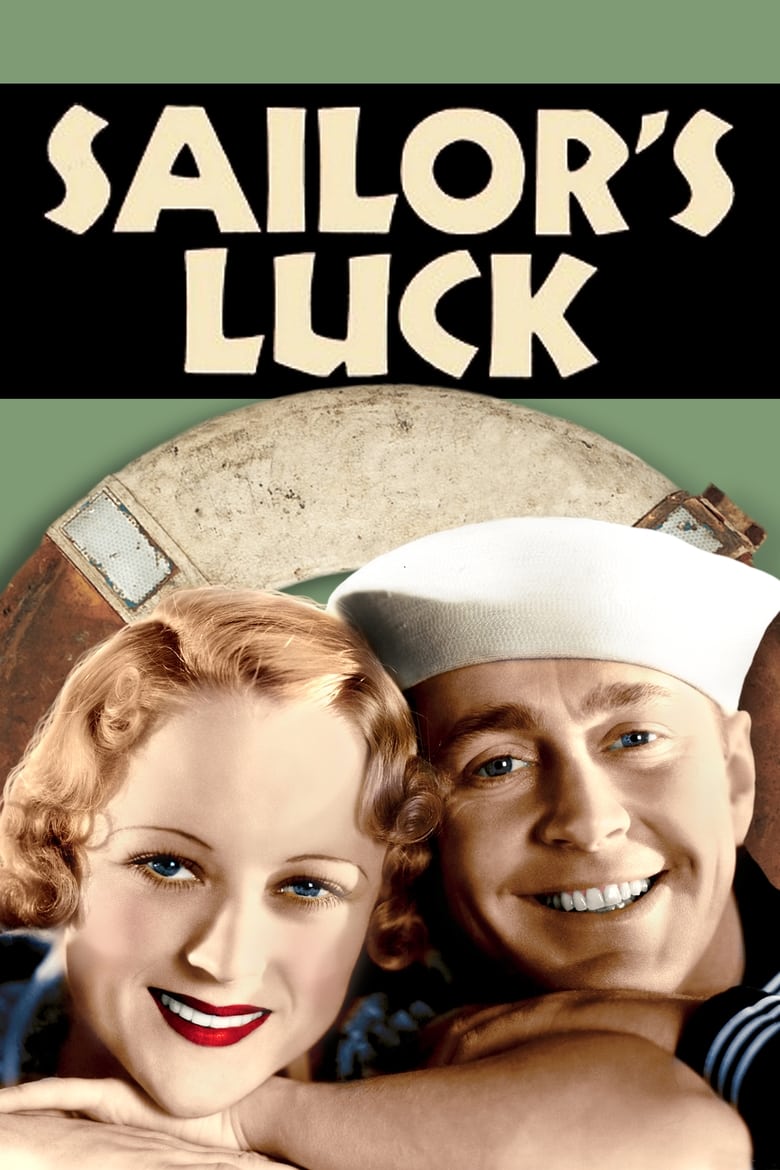
U.S. sailor Jimmy Harrigan, on shore leave in San Pedro, meets and falls for Sally Brent She promises to wait for him when he ships out to San Francisco, but Jimmy becomes jealous and tells her off when he learns Sally has entered a marathon dance contest sponsored by a lecherous snake named Baron Portola. Along with several of his Navy pals, Jimmy goes to the ballroom the night of the dance marathon, to try to change Sally's mind and win her back.
Overall Score
Limited
Category Breakdown
LGBTQ+ Representation
The story focuses on a heteronormative romantic conflict between Jimmy and Sally. There is no evidence of same-sex intimacy or non-cisnormative identities.
Gender Representation
The narrative reinforces traditional masculine authority through Jimmy's jealousy. While Sally shows agency by entering the contest, she primarily serves as a catalyst for male character development.
Racial & Ethnic Diversity
The setting and Navy involvement suggest a cast centered on Anglo-Saxon archetypes. The film appears to adhere to the homogeneous demographic norms of the 1930s.
Religious & Cultural Diversity
The film utilizes standard social settings like the Navy and ballroom culture. It functions as a conventional morality tale regarding courtship rather than a critique of institutions.
Disability Representation
The narrative contains no mention of characters with visible or invisible disabilities.
Strengths
Areas for Improvement
AI Analysis
Sailor's Luck is a product of the early 1930s studio system, prioritizing traditional narrative structures over intersectional storytelling. The plot centers on a standard romantic tension between a sailor and his love interest, reinforcing the era's conventional social hierarchies. The film relies on established gendered tropes, where the male protagonist's emotional reactions drive the conflict. This lack of subversion results in a story that maintains the status quo of its time rather than challenging it. Overall, the production lacks diverse casting or thematic depth regarding marginalized identities. It remains a straightforward maritime comedy focused on interpersonal social cohesion and romantic pursuit.
1928

1933
1930

1926
1948
1935
1944

1932

1937
1932
No reviews yet. Be the first to share your thoughts on this movie!
Use the rating form above to leave a star rating and optional review.