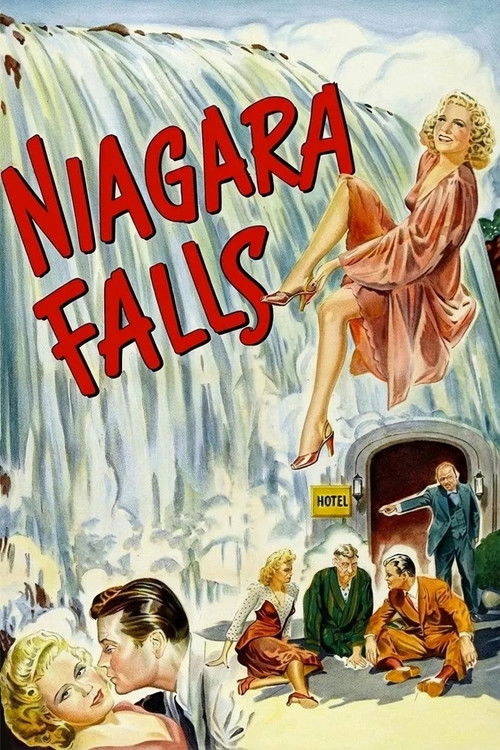
Niagara Falls
1941
No user ratings available yet
Diversity score: 2.1 out of 10

1961
NRDirector
George Marshall
Runtime
110 minutes
Average Rating
No ratings yetSynopsis
Army photographers on leave in Japan take over a geisha house.
Overall Score
Limited
Category Breakdown
LGBTQ+ Representation
The film follows heteronormative romantic comedy tropes typical of 1961. There is no evidence of non-cisnormative identities or critiques of traditional romantic structures.
Gender Representation
The geisha house setting centers on traditional gendered performances and social roles. While female characters may use wit, the film lacks subversion of gendered leadership.
Racial & Ethnic Diversity
The cross-cultural setting of American personnel in Japan risks framing local culture through a Western lens. It leans toward cultural exoticism rather than deep intersectional integration.
Religious & Cultural Diversity
The narrative operates within mid-century Western storytelling frameworks. It emphasizes situational comedy and conventional morality rather than interrogating Western institutions or diverse cultural perspectives.
Disability Representation
The film contains no mention of characters with visible or invisible disabilities.
Strengths
Areas for Improvement
AI Analysis
Cry for Happy is a conventional 1961 romantic comedy that adheres to the standard cinematic architecture of its era. It utilizes a cross-cultural premise involving American military personnel in Japan, but it appears to favor the 'fish-out-of-water' trope over nuanced cultural exchange. The film lacks the narrative complexity required to disrupt social hierarchies. Instead, it reinforces Western perspectives and traditional romantic hierarchies common to mid-century Hollywood productions. Ultimately, the work functions as a period-typical comedy that prioritizes situational humor over intersectional representation or the deconstruction of established social norms.
1941
1941
1945

1947
1963
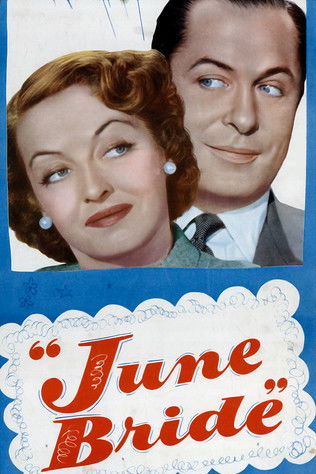
1948
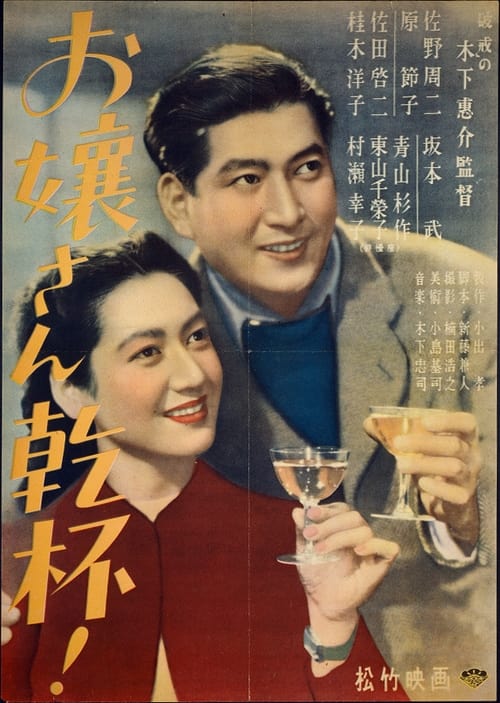
1949
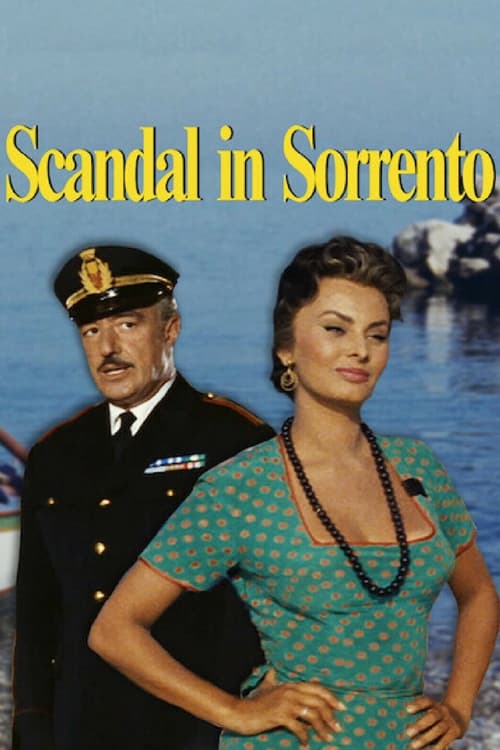
1955
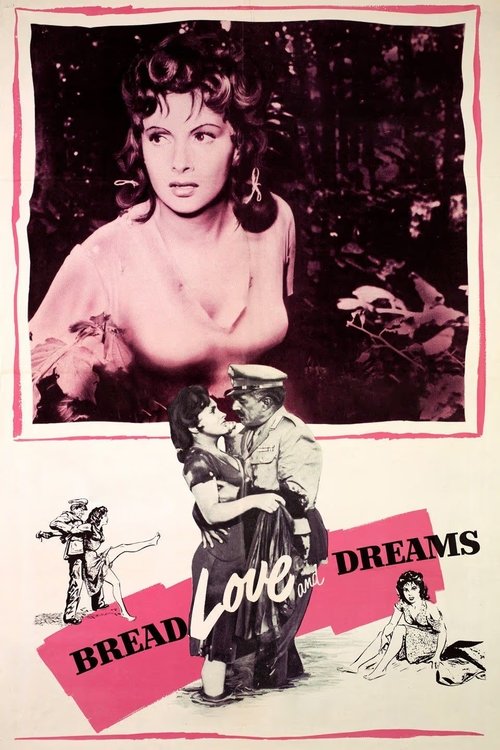
1953
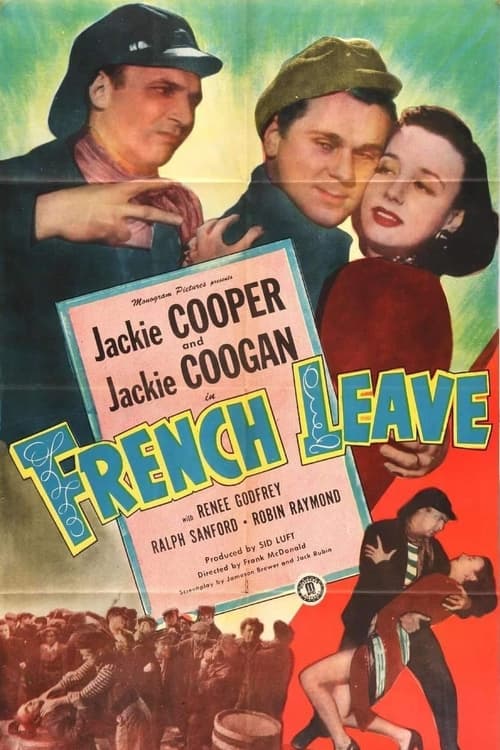
1948
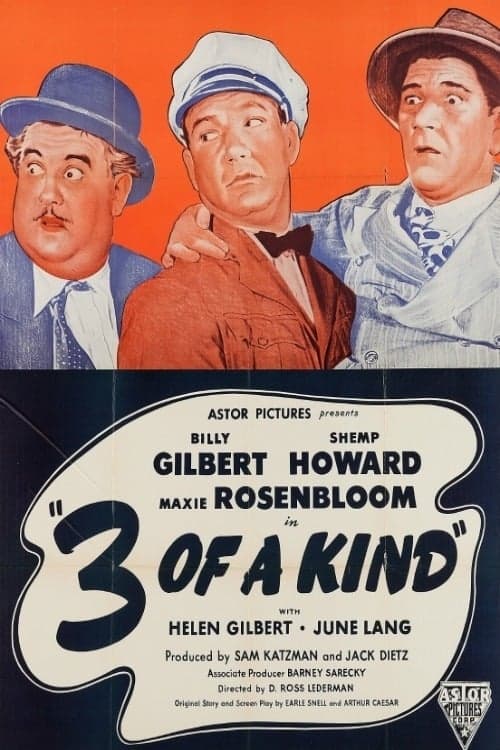
1944

1954
No reviews yet. Be the first to share your thoughts on this movie!
Use the rating form above to leave a star rating and optional review.