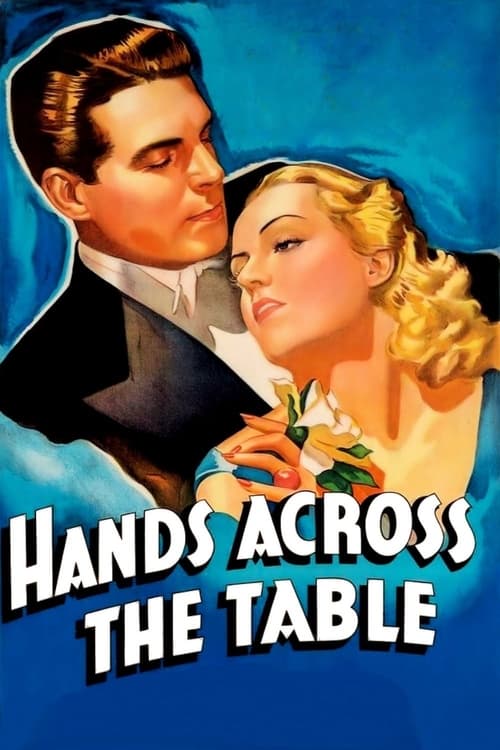
Hands Across the Table
1935
No user ratings available yet
Representation score: 0.4 out of 10
Representation Score
Minimal
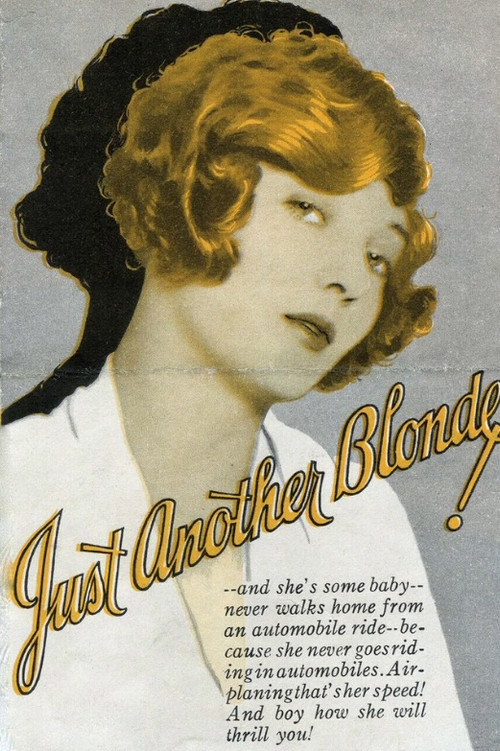
1926
PassedDirector
Alfred Santell
Runtime
60 minutes
Average Rating
No ratings yetNew Showbiz Analysis
Just Another Blonde operates as a conventional silent-era romantic comedy, relying on established genre clichés. The narrative focuses on interpersonal loyalty and the pursuit of romance among a largely homogeneous group. The film lacks multi-layered complexity, reflecting the demographic homogeneity and social hierarchies common in mainstream 1920s commercial cinema. While it explores themes of partnership and social reform, these are framed through a traditional lens. Ultimately, the film captures the essence of standard urban storytelling from the period, prioritizing romantic comedy mechanics over diverse or subversive representation.
Category Breakdown
Jimmy O'Connor is portrayed as a confirmed bachelor who avoids women, serving as a comedic setup for a heterosexual romance rather than a meaningful queer storyline.
Female characters mainly act as catalysts for the male leads' romantic arcs. Despite a 50-50 partnership suggesting some equality, the plot centers around male social dynamics.
The film showcases a homogeneous urban cast typical of 1926. There is no indication of non-white or non-Anglo-Saxon representation among the main characters.
The story adheres to conventional early 20th-century social structures and moral frameworks, emphasizing individual social mobility and romantic companionship within a standard comedic setting.
The narrative provides no information regarding characters with visible or invisible disabilities.
Present on Screen
Limited or Absent
Official Synopsis
Jimmy O'Connor and Scotty are a couple of New York City gamblers and sharpies who decide to go straight and, since they are such good friends, split 50-50 "even steven" on anything they get or do. Jimmy, a confirmed bachelor, doesn't care for women but Scotty falls in love with Diana O'Sullivan, a Coney Island girl. They decide that Jimmy needs a girlfriend and they opt for Jeannie Cavanaugh. But, following their 50-50 pact, Jimmy, although he has fallen in love with Jeannie, praises Scotty to her.
1935
1932
1930
1942
1941

1925
1933
1928
No reviews yet. Be the first to share your thoughts on this movie!
Use the rating form above to leave a star rating and optional review.