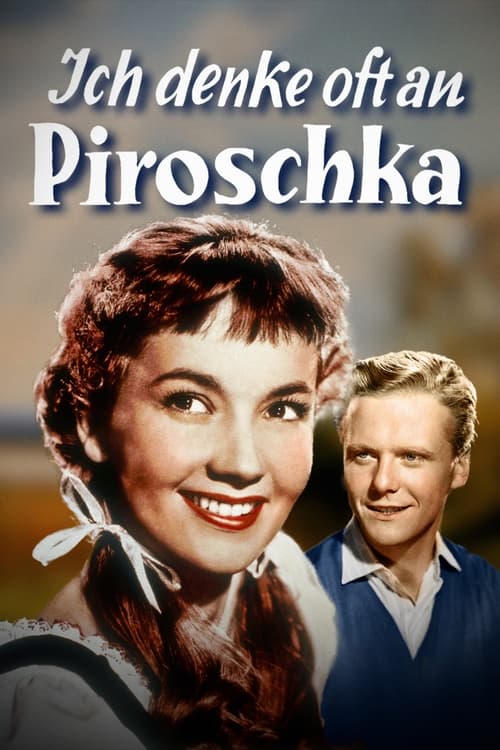
I Often Think of Piroschka
1955
No user ratings available yet
Diversity score: 3.1 out of 10
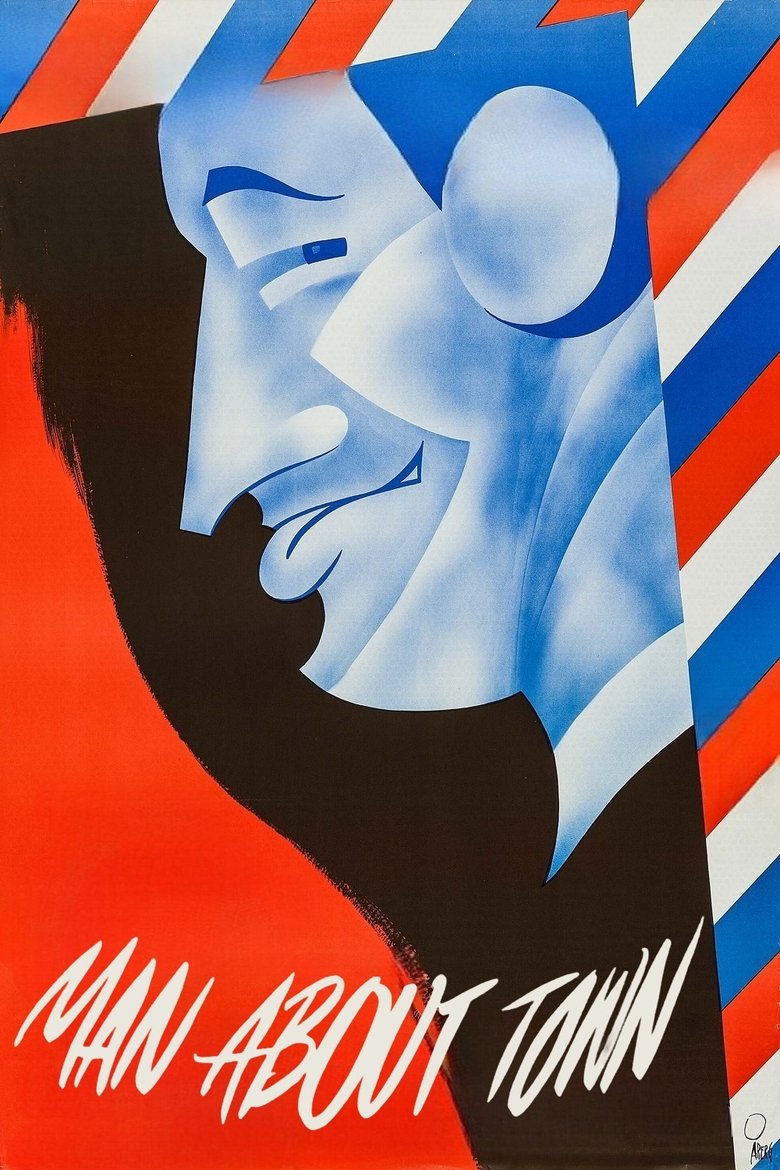
1947
Director
René Clair
Runtime
100 minutes
Average Rating
No ratings yetSynopsis
Emile is a French film producer at the beginning of the century. One of his friends leaves his daughter Lucette in his house, when he is starting a tour through France. Emile falls in love with her. Problems starts when his younger friend Jacques come back from military service and after complaining his misfortune with women, follows Emile's advice in starting affairs with women and he meets Lucette.
Overall Score
Limited
Category Breakdown
LGBTQ+ Representation
The film lacks LGBTQ+ characters or non-heteronormative identities. Romantic tension is strictly centered on traditional heterosexual dynamics.
Gender Representation
Lucette is a central figure, yet narrative agency remains driven by male characters. The film reinforces mid-century romantic hierarchies and traditional gender archetypes.
Racial & Ethnic Diversity
The cast is ethnically homogeneous within a localized French setting. If the film depicts the protection of a Jewish minority, it serves as a moral focal point.
Religious & Cultural Diversity
The narrative challenges institutional authority by depicting resistance against an occupying force. It frames clandestine deception as a moral imperative against an oppressive regime.
Disability Representation
There is no documented evidence regarding the portrayal of physical or neurodivergent disabilities in this work.
Strengths
Areas for Improvement
AI Analysis
René Clair’s film operates as a classical romantic comedy rooted in the social hierarchies of its era. While it lacks modern intersectional representation, it offers depth through its depiction of moral resistance during wartime. The film's strength lies in its humanistic exploration of communal morality against systemic oppression. However, it remains tethered to traditional gender roles and a largely homogeneous cast. Ultimately, the work provides cultural complexity through its themes of resistance, even as it fails to subvert mid-century social norms.
1955
1953
1984
1935
1957
1935
1940
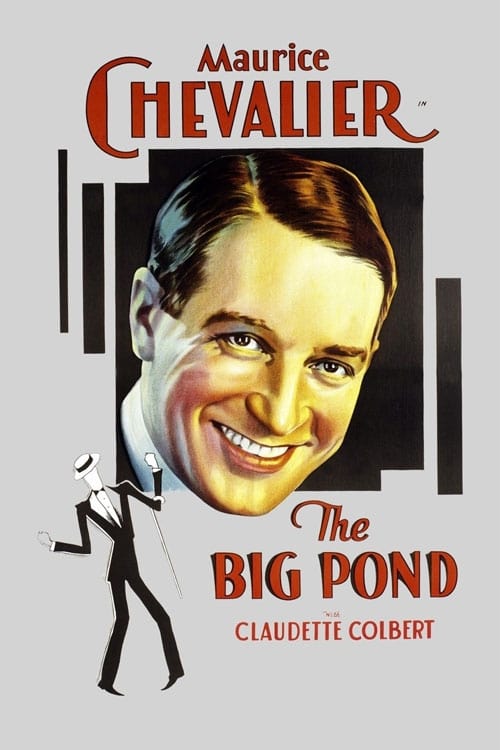
1930
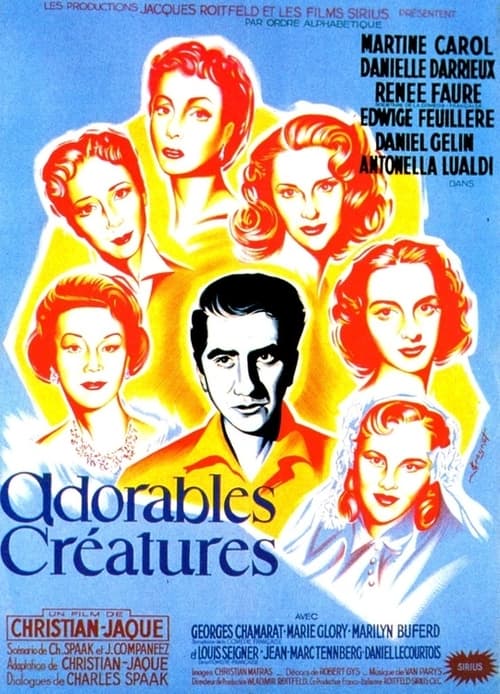
1952
2002
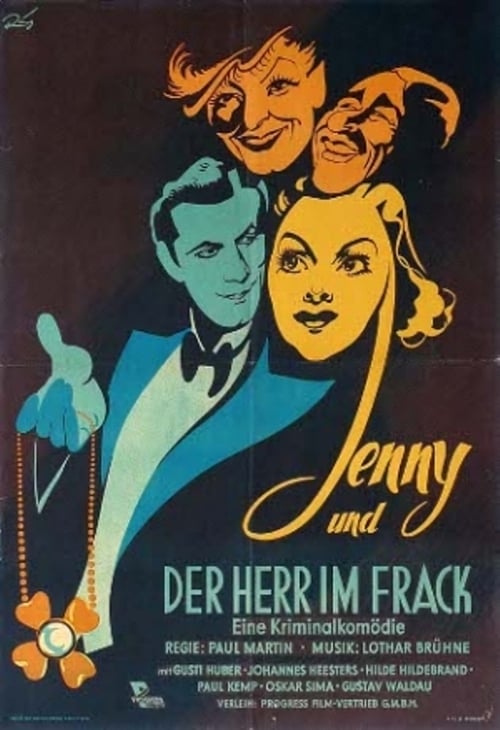
1941

1941
No reviews yet. Be the first to share your thoughts on this movie!
Use the rating form above to leave a star rating and optional review.