Tenchu!
1969
No user ratings available yet
Representation score: 4.0 out of 10
Representation Score
Fair
1961
Not RatedDirector
Tomu Uchida
Runtime
110 minutes
Average Rating
No ratings yetNew Showbiz Analysis
Tomu Uchida’s film is a masterwork of classical storytelling that emphasizes historical authenticity over modern diversity. It constructs its narrative around traditional masculine archetypes and the rigid social structures of the Sengoku period. The film successfully deconstructs the protagonist's raw, anti-social nature to explore themes of discipline. However, it does so within a framework that upholds conventional gender roles and social hierarchies. Ultimately, the work is a study of individual growth within a specific historical era rather than a vehicle for challenging societal norms.
Category Breakdown
The film follows traditional romantic and social customs of feudal Japan and does not include any non-traditional gender identities or same-sex relationships.
The story centers on a masculine journey focused on martial training and self-denial. Female characters such as Oko and Akemi mainly serve through survival and sexual utility.
The film presents a highly authentic depiction of Japanese culture and identity, avoiding a Western-centric perspective in its historical setting.
The story delves into subjective morality and the breakdown of social order, focusing on the traditional path of spiritual mastery within a specific historical context.
Physical injuries are used as a narrative tool to advance the plot. Matahachi's injury serves as a catalyst for his development rather than exploring his personal ability to act.
Present on Screen
Limited or Absent
Official Synopsis
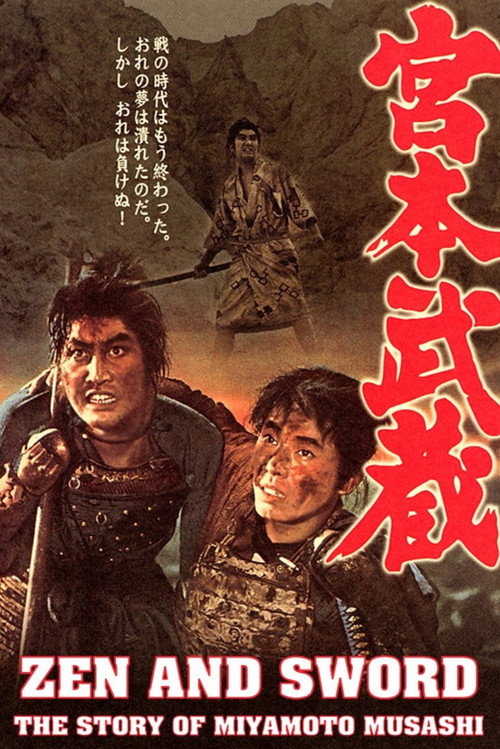
In this first episode, we are introduced to Takezo, what Musashi used to be before he became the man of legend. His beginning are not exactly auspicious. He sides with the Toyotomi at Sekigahara, and as a result finds himself on the losing side of the historic battle. He and his friend Matahachi manage to escape the slaughter although the latter is wounded in his leg. They stumble across the young Akemi who makes her living with her mother Oko by robbing corpses of their armor and anything else they can sell. Oko takes it into her head to seduce Matahachi, which she does first by skillfully sucking the gangrene from his blood, and then just by sucking.
1969

1974
1963
1972
1965
2013
1981
2014
No reviews yet. Be the first to share your thoughts on this movie!
Use the rating form above to leave a star rating and optional review.