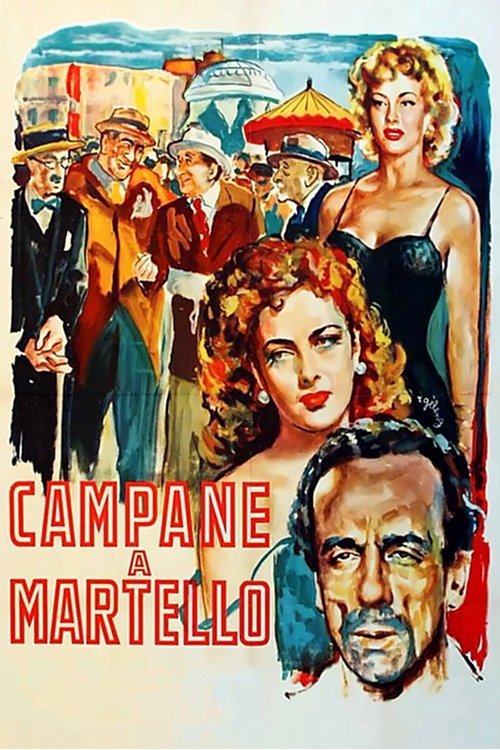
Campane a martello
1949
No user ratings available yet
Representation score: 2.1 out of 10
Representation Score
Limited
1947
Director
Luigi Zampa
Runtime
90 minutes
Average Rating
No ratings yetNew Showbiz Analysis
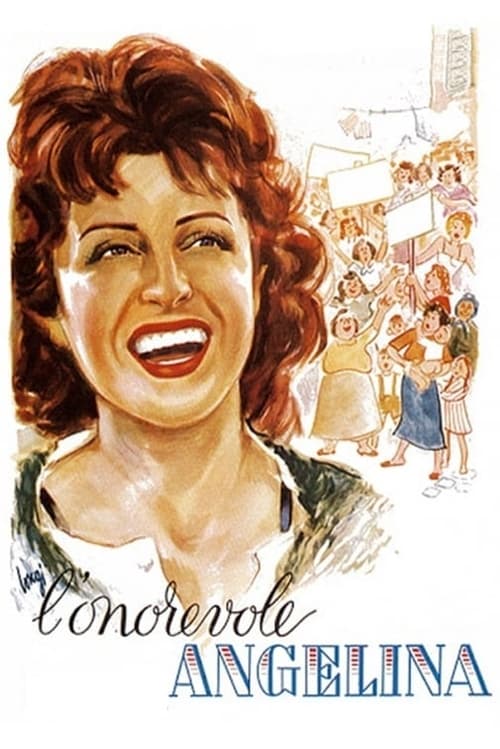
Luigi Zampa’s film uses a Neorealist approach to highlight the struggles of the working class against systemic inequities. It excels in showcasing a female protagonist who drives the plot and rises to political prominence. However, the film lacks modern markers of diversity, reflecting the demographic homogeneity of post-war Italy. It offers limited representation of racial or LGBTQ+ identities. Ultimately, the film serves as a powerful social commentary on economic exploitation, despite retaining some traditional domestic conflicts.
Category Breakdown
The film focuses on traditional heterosexual relationships and domestic life, with no representation of LGBTQ+ identities or non-cisgender narratives.
The film centers on Angelina, a female protagonist who surpasses her male counterparts by driving the plot through her involvement in a grassroots movement and her rise to political office.
Set in post-WWII Italy, the film reflects the demographic homogeneity of the time, focusing on the local Italian working class without diverse casting.
The film highlights the struggle of the poor against speculators and systemic housing barriers, celebrating a people's movement that challenges established institutions and traditional hierarchies.
The film does not focus on visible or invisible disabilities within its narrative.
Present on Screen
Limited or Absent
Official Synopsis
A rowdy woman is so forceful that she outdoes her husband in a loud cry against speculators who refuse poor people entrance to a block of new apartments, built after WW2. Without noticing it, she starts a people's movement, and leads a march to the capital. She returns to her village a winner, an honourable MP. Yet, she is still the same simple, fiery woman, able to get in a hair-pulling brawl with the local barmaid for the affection of her man.
1949

1949
1964

1950
1954
1954
1975
1959
No reviews yet. Be the first to share your thoughts on this movie!
Use the rating form above to leave a star rating and optional review.