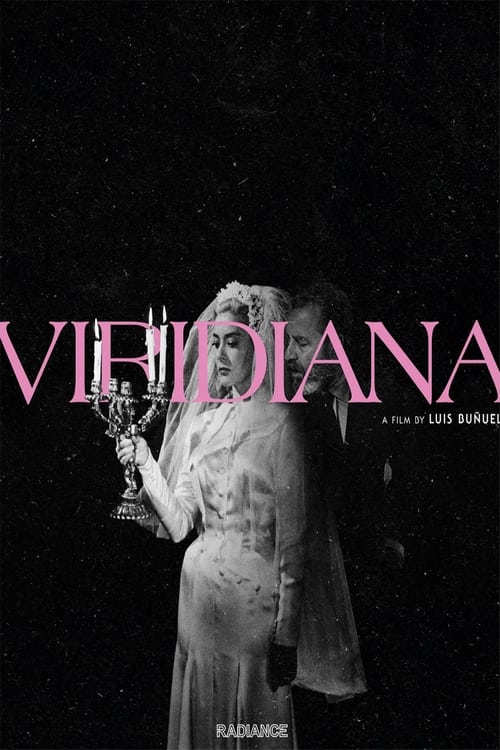
Viridiana
1962
No user ratings available yet
Representation score: 4.3 out of 10
Representation Score
Fair
1970
PGDirector
Luis Buñuel
Runtime
98 minutes
Average Rating
No ratings yetNew Showbiz Analysis
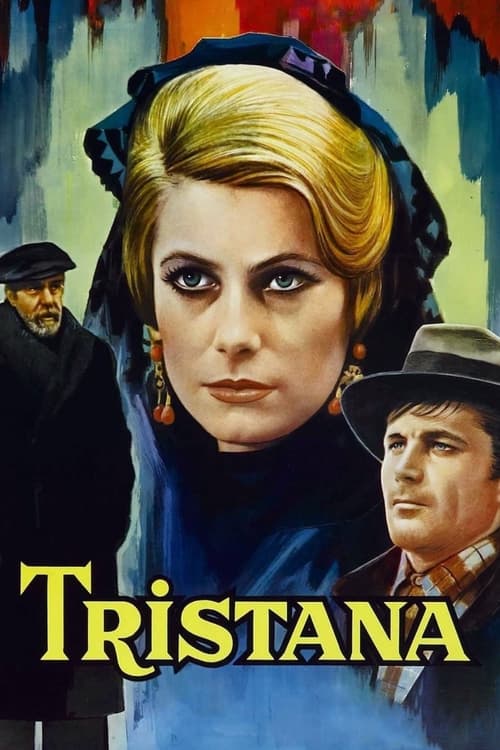
Tristana is a sophisticated deconstruction of bourgeois morality and religious institutions. It excels in its intellectual critique of social structures, using moral relativism to challenge traditional Western hierarchies. While the film lacks modern demographic variety, it provides depth through its exploration of gendered power struggles. Tristana’s journey from an orphaned ward to a cynical survivor offers a complex look at female empowerment. Ultimately, the film's strength lies in its systemic critique rather than its representation of diverse identities.
Category Breakdown
The film focuses on power dynamics centered around heterosexual relationships and lacks representation of non-cisgender identities or same-sex intimacy.
Tristana evolves from a passive victim to a character defined by pragmatic survival, challenging the traditional image of an innocent maiden.
The setting reflects the historical homogeneity of 19th-century Spain, focusing on class-based divisions rather than ethnic or racial diversity.
Buñuel critiques religious hypocrisy and institutional corruption, portraying piety as a facade for systemic and carnal corruption.
The film does not include characters with visible or invisible disabilities as central plot drivers or identity markers.
Present on Screen
Limited or Absent
Official Synopsis
As a young woman, Tristana is orphaned and taken under the guardianship of Don Lope, a respected member of the community, who takes advantage of his innocent charge. When Tristana falls in love with artist Horacio, she must learn to be more assertive in order to achieve independence from her nefarious guardian, or her blossoming relationship with Horacio is doomed.
1962

1967

1957

1970
1954

1933

1964

2016
No reviews yet. Be the first to share your thoughts on this movie!
Use the rating form above to leave a star rating and optional review.