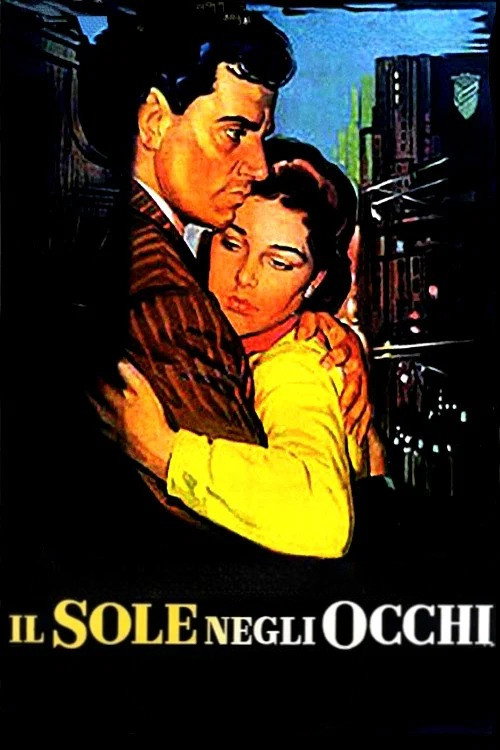
Empty Eyes
1953
No user ratings available yet
Representation score: 5.0 out of 10

Representation Score
Fair
1965
Not RatedDirector
Antonio Pietrangeli
Runtime
115 minutes
Average Rating
No ratings yetNew Showbiz Analysis
Antonio Pietrangeli’s work offers a sophisticated look at female subjectivity, challenging the male-centric gaze prevalent in mid-century Italian cinema. By centering on the internal life of a woman navigating a predatory professional landscape, the film disrupts traditional power dynamics. While the film is progressive in its examination of gendered power and capitalist structures, it remains rooted in the social constraints of 1960s Italy. It lacks contemporary markers of LGBTQ+ or racial diversity. Ultimately, the film's strength lies in its deconstruction of the 'modern miracle' myth. It exposes the systemic pressures imposed by traditional social and economic institutions.
Category Breakdown
The film focuses solely on the protagonist's relationships with men, both emotionally and transactionally. It does not include any queer narratives or representations of non-straight identities.
The narrative centers on Luisa, critiquing gender hierarchies and patriarchal commodification. It highlights the female experience as a struggle against objectification in male-dominated environments.
Set in 1960s Rome, the film reflects the era's homogeneous demographics. While it avoids racial caricatures, it lacks diverse representation, focusing instead on class mobility.
The film critiques the 'economic miracle' and the superficial stability of the bourgeois family. It challenges traditional Western institutions and the sanctity of the idealized family.
There are no prominent characters with visible or invisible disabilities serving as central narrative drivers.
Present on Screen
Limited or Absent
Official Synopsis
A young woman from the Italian countryside experiences the dark side of the business after she moves to Rome to become a star.
1953

1957

1953
1961

1980
1964
1946
1974
No reviews yet. Be the first to share your thoughts on this movie!
Use the rating form above to leave a star rating and optional review.