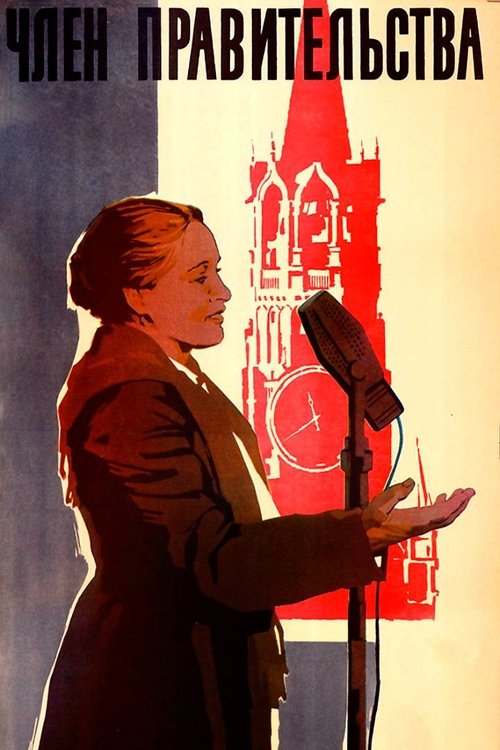
Member of the Government
1940
No user ratings available yet
Diversity score: 4.2 out of 10
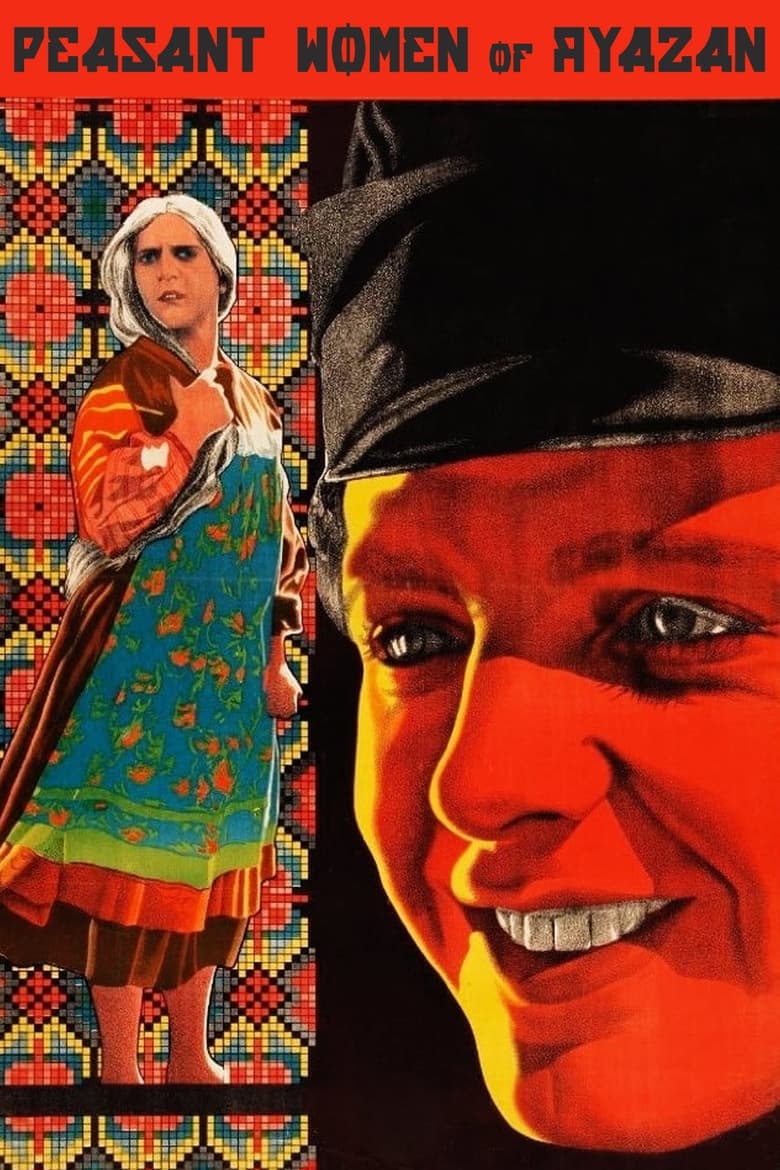
1927
Director
Olga Preobrazhenskaya
Runtime
88 minutes
Average Rating
No ratings yetSynopsis
The picture compares the fate of two heroines Anna and her lively and energetic sister-in-law Vasilisa, who openly defies the old way of life.
Overall Score
Good
Category Breakdown
LGBTQ+ Representation
The film contains no LGBTQ+ characters or narratives. Social dynamics are strictly defined by traditional kinship and gendered class struggles.
Gender Representation
Female characters like Anna and Vasilisa possess significant agency, actively challenging patriarchal domesticity. The narrative uses female solidarity to subvert traditional submissive femininity.
Racial & Ethnic Diversity
The cast is ethnically homogeneous, reflecting the specific demographic of rural Ryazan. It focuses on socioeconomic peasant identity rather than racial variation.
Religious & Cultural Diversity
The film critiques religious influence and feudal village hierarchies as oppressive. It promotes a shift from traditional family sanctity toward collective social organization.
Disability Representation
There is no evidence regarding the portrayal of physical or neurodivergent disabilities in this work.
Strengths
Areas for Improvement
AI Analysis
Olga Preobrazhenskaya’s silent drama is a powerful critique of agrarian hierarchies, driven by strong female protagonists who defy established village authority. By centering the story on women like the energetic Vasilisa, the film transforms the domestic sphere into a site of social rebellion. While the film lacks racial and LGBTQ+ intersectionality, its progressive value is found in its deconstruction of religious and patriarchal institutions. It frames the breakdown of the 'old way of life' as a necessary evolution toward a new social order. Ultimately, the film serves as a foundational text of social realism, prioritizing class and gendered defiance over broad demographic diversity.
1940

1956
1925
1935
1932
1934

1934
1947
1949
1926
1926

1959
No reviews yet. Be the first to share your thoughts on this movie!
Use the rating form above to leave a star rating and optional review.