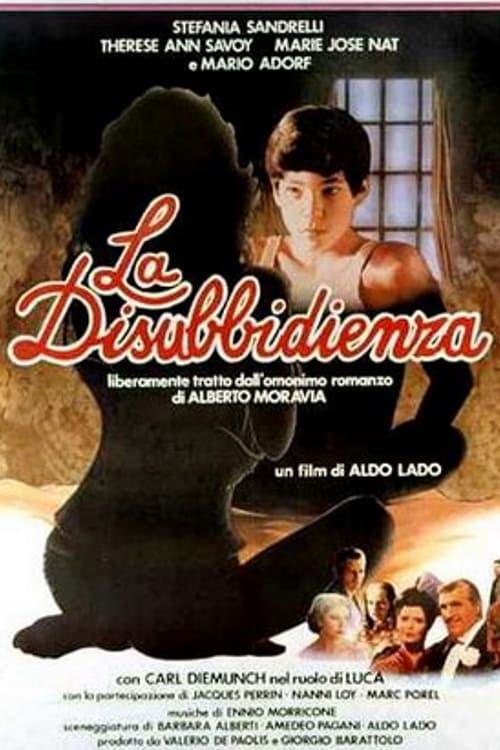
Disobedience
1981
No user ratings available yet
Representation score: 1.9 out of 10
Representation Score
Minimal
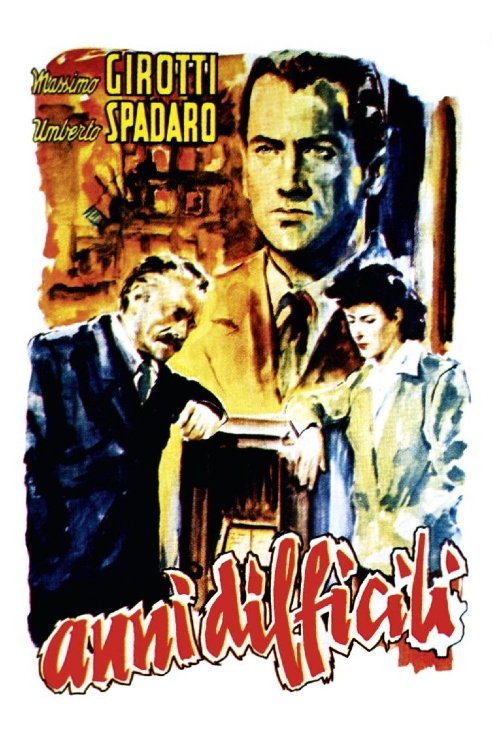
1948
Director
Luigi Zampa
Runtime
110 minutes
Average Rating
No ratings yetNew Showbiz Analysis
Luigi Zampa’s film examines systemic failure rather than demographic diversity. It focuses on how state-mandated ideologies and economic collapse erode individual ability to act and traditional morality. The work excels at critiquing institutional corruption and the fragility of the socio-economic order. However, this thematic depth comes at the expense of diverse representation, as the cast and social structures remain largely homogeneous. Ultimately, the film prioritizes a class-based and political critique of mid-century Italy over a broad range of identity-based narratives.
Category Breakdown
The film does not include any LGBTQ+ characters or stories. The social setting focuses on traditional family units.
The story centers around a male protagonist's struggles within a patriarchal system. Economic pressures shift domestic roles, but the film does not challenge gender hierarchies.
The cast is ethnically uniform, reflecting the film's focus on mid-century Italian socio-political dynamics. It does not address racial or ethnic diversity.
The film provides a sophisticated critique of Western institutions and the Fascist state. It shows how systemic failures and economic instability undermine individual morality and social order.
There is no significant use of characters with visible or invisible disabilities as central plot devices or subjects of mockery.
Present on Screen
Limited or Absent
Official Synopsis
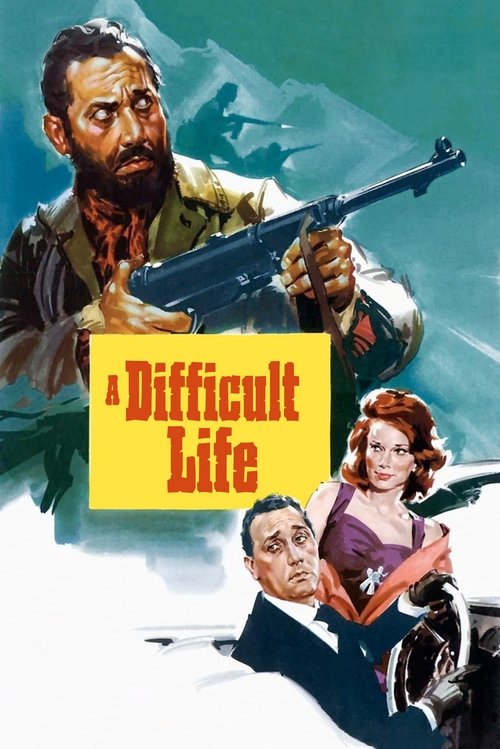
Aldo Piscitello, a minor government clerk, is forced in 1934 to join the Fascist party. When the war comes, he finds himself able only to talk ineffectually in secret against Mussolini, even as his own son Giovanni is sent into battle. By the end of the war, Aldo has found the courage to stand up for his beliefs, but by then it is too late.
1981
1945
1954

1965

1975

2002
1961

1964
No reviews yet. Be the first to share your thoughts on this movie!
Use the rating form above to leave a star rating and optional review.