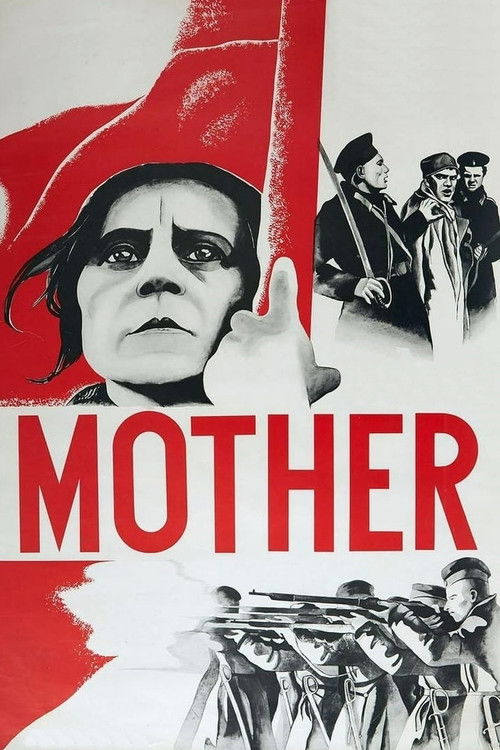
Mother
1926
No user ratings available yet
Representation score: 4.5 out of 10
Representation Score
Fair
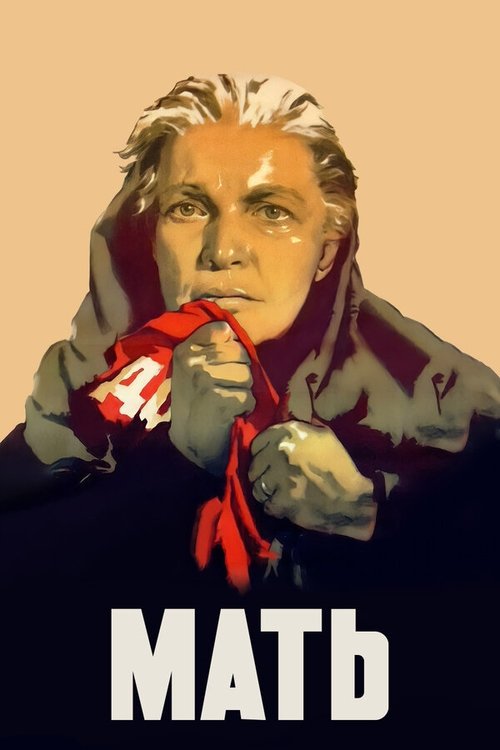
1956
Director
Mark Donskoy
Runtime
104 minutes
Average Rating
No ratings yetNew Showbiz Analysis
Mother is a foundational work of Socialist Realism that centers on the transformation of a woman from a submissive domestic figure to a revolutionary agent. The film's strength lies in its ideological critique of established power structures, including the monarchy and organized religion. While the film excels at portraying systemic upheaval and female empowerment, it is limited by its historical focus on a homogeneous Russian proletariat. This results in a lack of racial and LGBTQ+ diversity within the narrative framework. Ultimately, the film uses character empowerment to dismantle traditional hierarchies, making it a potent study of class-based solidarity and political awakening.
Category Breakdown
The film focuses solely on maternal bonds and class solidarity. There are no depictions of LGBTQ+ identities or queer subtext.
Pelageya Nilovna transforms from a fearful, domestic figure into a politically autonomous leader. This arc challenges the stereotype of the passive female observer.
The cast is ethnically uniform, reflecting the socio-political context of the Russian working class. The narrative does not utilize diverse casting.
The film criticizes the Tsarist monarchy and religious institutions as tools of state control. It celebrates the rejection of traditional authority and capitalist structures.
There are no discernible portrayals of physical or neurodivergent disabilities. The narrative focus remains strictly on socioeconomic and political identity.
Present on Screen
Limited or Absent
Official Synopsis
Timid old woman Pelageya Nilovna observes the revolutionary activities of her son Pavel Vlasov and gradually comes to realize that his cause is a great and noble one. She involves herself in the movement and finds joy and great courage in her new life as a revolutionary.
1926

1956
1966
1961
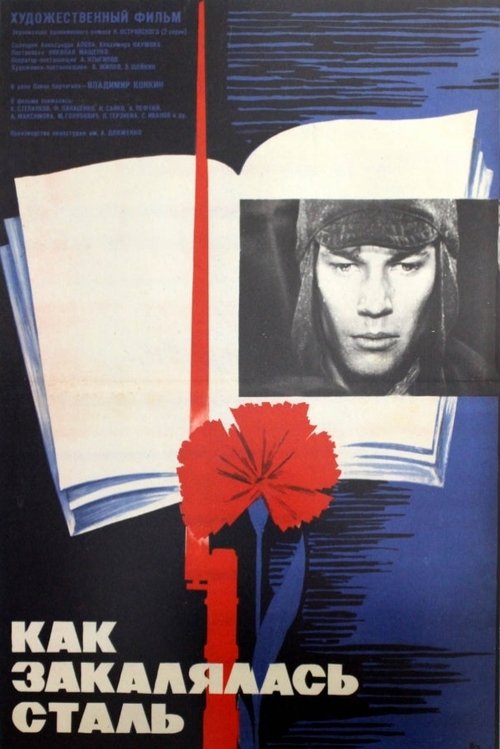
1973
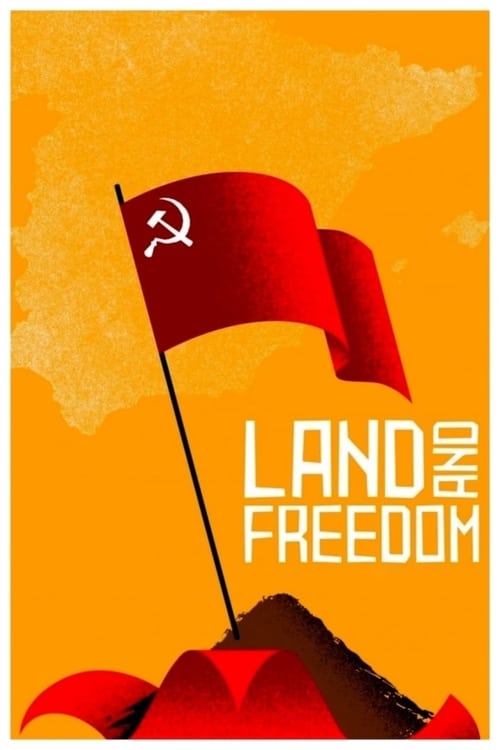
1995
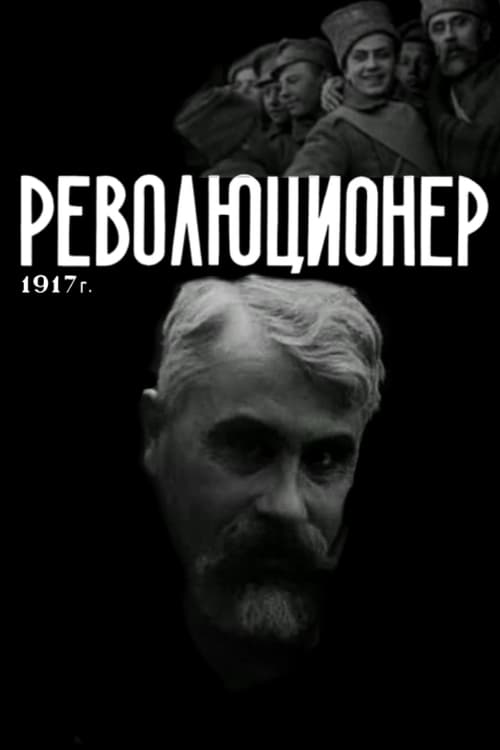
1917
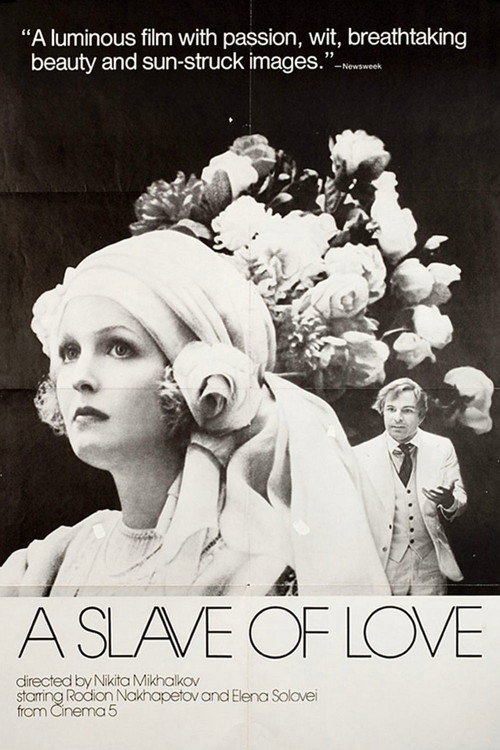
1976
No reviews yet. Be the first to share your thoughts on this movie!
Use the rating form above to leave a star rating and optional review.