The Unit
1984
No user ratings available yet
Representation score: 4.7 out of 10
Representation Score
Limited
1981
Director
Vladimir Fokin
Runtime
98 minutes
Average Rating
No ratings yetNew Showbiz Analysis
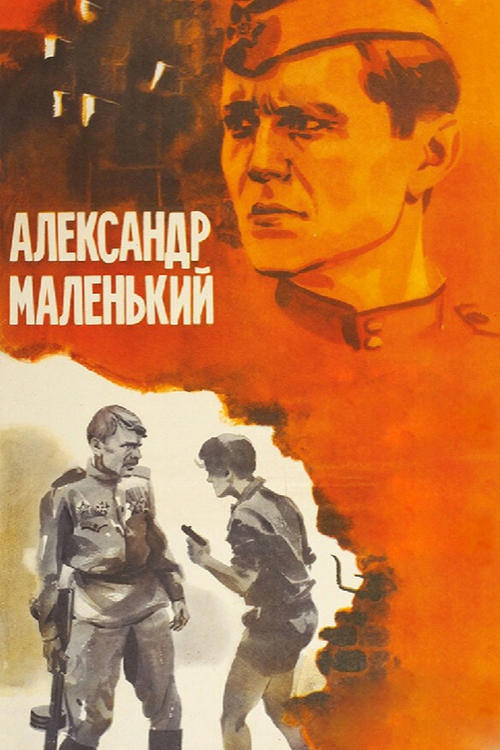
Little Alexander is a period drama set in 1945 Germany, focusing on the humanitarian efforts of Soviet soldiers. The film prioritizes historical realism and themes of collective heroism over individual identity or progressive social frameworks. The narrative structure adheres to the conservative cinematic traditions of the early 1980s Soviet era, emphasizing communal duty and the sanctity of the military mission. This reinforces state-aligned values without challenging them. Because the film focuses on wartime necessity and traditional roles, it lacks the multi-layered depth found in modern cinema. It primarily serves as a historical account of duty and protection during the final month of World War II.
Category Breakdown
The film does not include any characters with LGBTQ+ identities. Given its 1981 Soviet setting, the story follows traditional social structures without addressing LGBTQ+ themes.
The story centers on Soviet soldiers, emphasizing masculine-coded leadership and ability to act. Although there is a nurturing element in rescuing children, traditional gender hierarchies remain prominent.
The film likely reflects the multi-ethnic composition of the Red Army. However, the narrative is confined to the geopolitical realities of the Soviet-German conflict.
The film aligns with traditional values of state service and duty. The moral framework reinforces institutional authority without exploring diverse cultural or identity-based perspectives.
There is no mention of characters with visible or invisible disabilities. The narrative does not use disability as a plot device.
Present on Screen
Limited or Absent
Official Synopsis
May of 1945. Soviet soldiers conducting an operation to rescue the children in a small town in the territory of Germany.
1984
1962
2011
1977

1979
1946
1960

2015
No reviews yet. Be the first to share your thoughts on this movie!
Use the rating form above to leave a star rating and optional review.