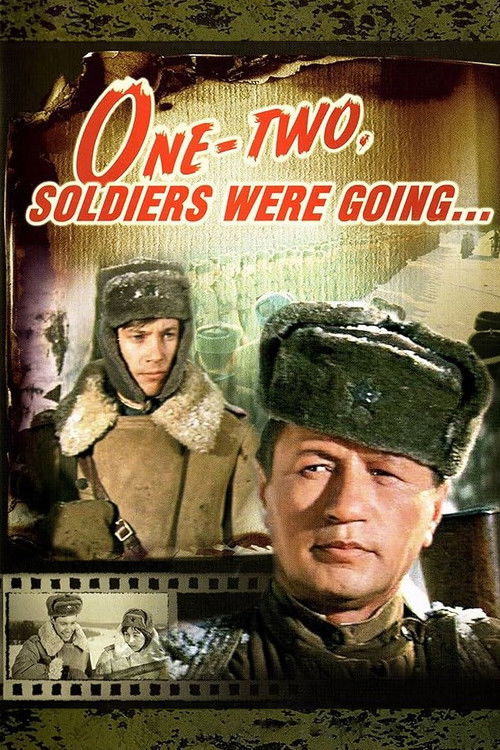
One-Two, Soldiers Were Going...
1976
No user ratings available yet
Representation score: 3.9 out of 10
Representation Score
Limited
1956
Director
Aleksandr Ivanov
Runtime
106 minutes
Average Rating
No ratings yetNew Showbiz Analysis
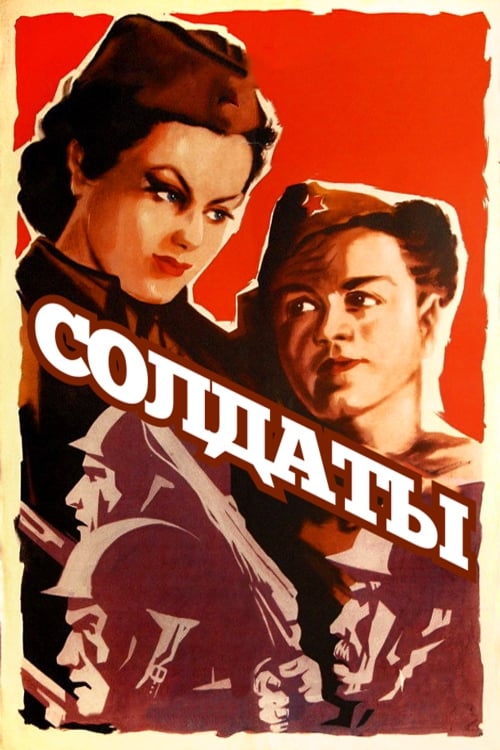
Soldiers (1956) is a character-driven war drama that prioritizes the psychological landscapes of infantrymen over grand geopolitical maneuvers. The film successfully humanizes the individual soldier by focusing on their longing for peace and love, yet it remains deeply rooted in the social hierarchies of its time. By framing the war through the eyes of men dreaming of domesticity, the film positions women as symbols of peace rather than agents of action. The narrative reinforces traditional gender roles and conventions that assume everyone is straight. Ultimately, the film serves as a study of human vulnerability during the Battle of Stalingrad, yet it does so through a lens of nationalism and conventional social structures.
Category Breakdown
The film does not depict any non-straight relationships or same-sex intimacy. It focuses on traditional romantic ideals within a 1950s Soviet context.
The story centers on a male perspective, with women appearing mainly as objects of desire rather than active participants in the conflict.
The cast likely reflects the multi-ethnic composition of the Soviet Red Army. However, the film adheres to the demographic realities of the era without actively challenging ethnic hierarchies.
The film emphasizes high-stakes nationalism and patriotic duty. It reinforces traditional social structures and a reverence for domestic stability and state survival.
There is no evidence of characters with visible or invisible disabilities within the narrative.
Present on Screen
Limited or Absent
Official Synopsis
Set in Russia during the Battle of Stalingrad in the Second World War. The war is shown through the eyes of simple soldiers, who are dreaming about love and being loved in a peaceful life, which most of them will never have.
1976
1962

2005

1959
1950
1958
1967
1984
No reviews yet. Be the first to share your thoughts on this movie!
Use the rating form above to leave a star rating and optional review.