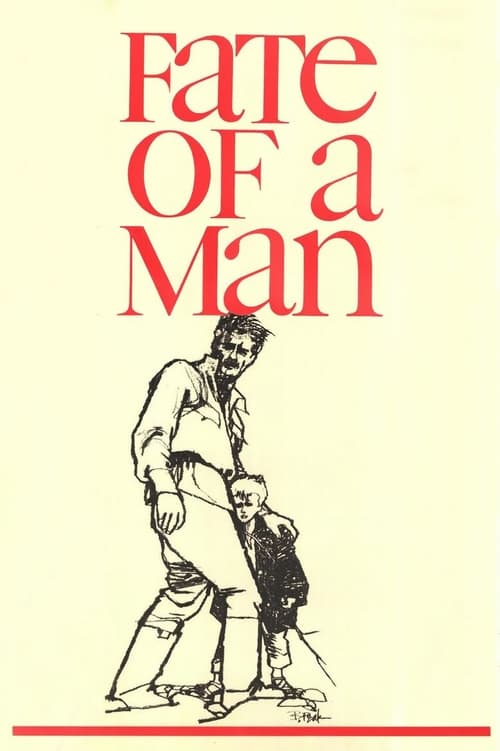
Fate of a Man
1959
No user ratings available yet
Representation score: 4.3 out of 10
Representation Score
Minimal
2008
Director
Aleksandr Proshkin
Runtime
100 minutes
Average Rating
No ratings yetNew Showbiz Analysis
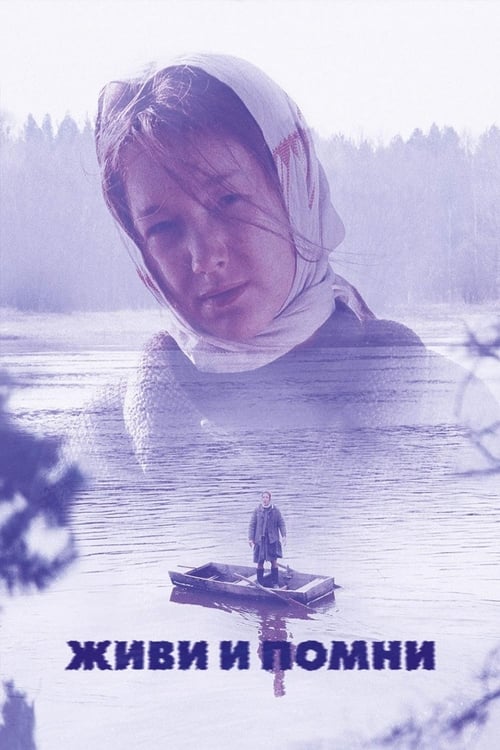
Live and Remember is a somber historical drama that prioritizes classical themes of endurance and loyalty. The narrative structure reinforces conventional social hierarchies rather than challenging them. The film adheres strictly to the demographic and cultural realities of its mid-20th-century Russian setting. It functions as a localized portrait of survival, focusing on the tragic weight of history and communal judgment. Ultimately, the work lacks exploration of multiple aspects of identity or the subversion of traditional roles, opting instead for a traditional storytelling structure centered on marital and national identity.
Category Breakdown
The film focuses on a traditional heterosexual relationship between Andrei and Nastena. It does not depict any non-cisgender identities or same-sex intimacy.
Nastena shows significant emotional strength as a wife and anchor. However, her role remains closely tied to her relationship with the male protagonist and traditional social consequences.
The cast is ethnically uniform, reflecting the historical reality of a rural Russian village. The narrative focuses on internal national identity rather than multi-ethnic dynamics.
The story emphasizes community judgment and traditional morality. It explores the weight of social standing and the consequences of deviating from communal expectations.
While the protagonist's flight from a hospital suggests past trauma, disability is not explored as a lived experience. It serves primarily as a plot device for his fugitive status.
Present on Screen
Limited or Absent
Official Synopsis
Based on Valentin Rasputin's story of the same title. The winter of 1945. In a village on the Angara embankment the women wait the return of their husbands from the front. The young soldier Andrei Guskov, who fled from the hospital, returns as a deserter. In his remote winter hut only his wife Nastena visits him : she is the only person whom he can trust with his life - of an eternal fugitive doomed to loneliness. Only she loves him. She lives in the present, remembers the past and does not believe in the future. She will have a child, and to the entire village she is an unfaithful wife who did not wait for her husband to return...
1959
1977

2005
1970
2011
2010
2008
2011
No reviews yet. Be the first to share your thoughts on this movie!
Use the rating form above to leave a star rating and optional review.