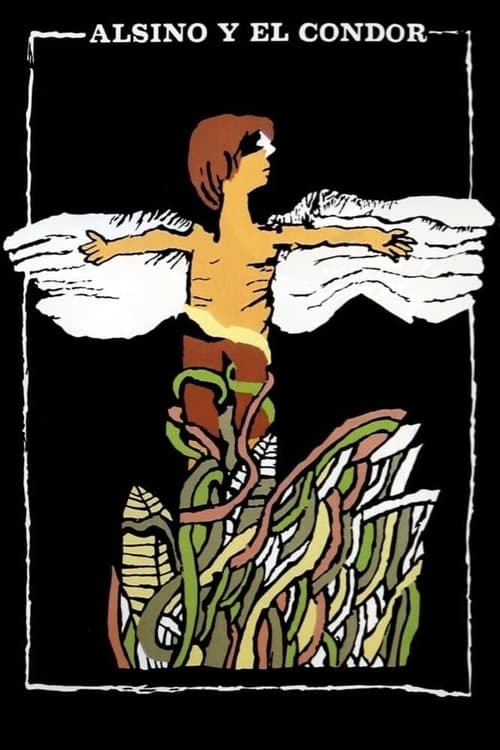
Alsino and the Condor
1982
No user ratings available yet
Representation score: 4.6 out of 10

Representation Score
Good
2005
RDirector
Luis Mandoki
Runtime
120 minutes
Average Rating
No ratings yetNew Showbiz Analysis
Luis Mandoki’s film is a powerful exercise in social realism that dismantles idealized Western narratives. It succeeds by centering the ability to act of women and the authentic, lived realities of the Salvadoran people during a period of intense conflict. The film's strength lies in its sophisticated critique of global power dynamics. Instead of a traditional hero's journey, it offers a complex study of systemic victimhood and the human cost of political instability. However, the narrative remains strictly bound by its historical context, offering no representation of queer identities. While it addresses psychological trauma, it does not provide specific ability to act to neurodivergent or disabled characters.
Category Breakdown
The film focuses entirely on the survival of children and domestic struggles during wartime. There is no presence of LGBTQ+ identities or queer narratives within this historical setting.
Maternal figures carry much of the narrative weight, navigating the dangers of paramilitary violence. The film deconstructs traditional masculinity by portraying young boys through vulnerability and forced recruitment rather than heroic strength.
The film provides authentic regional representation by centering Salvadoran identities and impoverished Central American communities. It avoids a Western gaze by focusing on the lived experiences of these underrepresented populations.
The story critiques Western geopolitical interventionism and the devastating effects of Cold War proxy conflicts. It portrays the struggle of lower socioeconomic classes against systemic, state-sponsored oppression.
While no specific disabilities are named, the pervasive psychological trauma and physical vulnerability of the children act as a collective, invisible disability. These elements illustrate the brutality of war.
Present on Screen
Limited or Absent
Official Synopsis
A young boy, attempting to have a normal childhood in 1980s El Salvador, is caught up in a dramatic fight for his life when he desperately tries to avoid the war that is raging all around him.
1982
2012

1991
1962

2006
1986
1997

2017
No reviews yet. Be the first to share your thoughts on this movie!
Use the rating form above to leave a star rating and optional review.