Intimate Enemies
2007
No user ratings available yet
Representation score: 3.8 out of 10
Representation Score
Limited
1975
Director
Mohammed Lakhdar-Hamina
Runtime
177 minutes
Average Rating
No ratings yetNew Showbiz Analysis
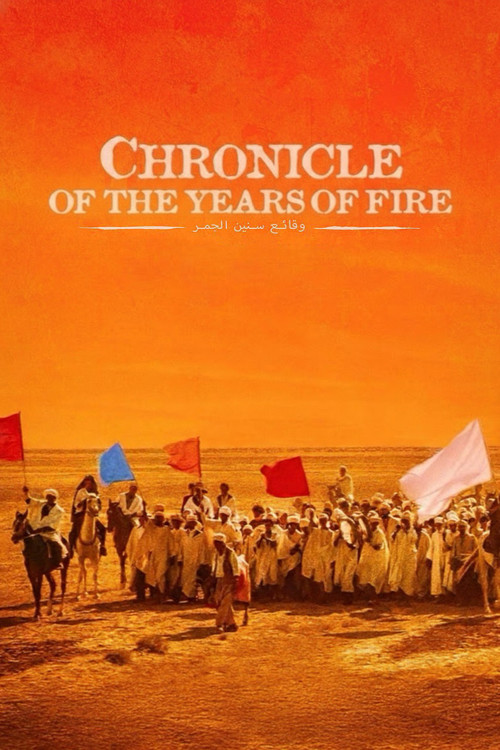
Chronicle of the Years of Fire is a powerful reclaiming of history centered around the Algerian struggle against French colonization. It replaces Eurocentric perspectives with indigenous ability to act, making the North African experience the main driver of the narrative. The film excels in racial and cultural representation, effectively critiquing imperialist power dynamics. By presenting the resistance as a justified response to systemic oppression, it offers a strong critique of Western hegemony. However, the film is limited by the patriarchal social structures of its time. While the political movement is vast, the narrative lacks LGBTQ+ representation and gender diversity, focusing on traditional male-led revolutionary arcs.
Category Breakdown
The film focuses on national liberation and the preservation of tribal lineages. There is no presence of LGBTQ+ identities or narratives within this historical context.
The narrative follows patriarchal social structures of early 20th-century Algeria. Women play important roles in the community, but political leadership is held by male figures such as Ahmed and Miloud.
This film challenges the Western-centric perspective by highlighting the Algerian indigenous experience. It avoids the white savior cliché and gives ability to act to North African characters as key players in their own sovereignty.
The film criticizes Western imperialist institutions and portrays the French administration as corrupt. Islam is a central cultural pillar, providing a non-Western moral framework for the resistance.
Miloud is shown as a half-mad haranguer, using neurodivergence as a tool for prophetic ability to act. However, there is insufficient evidence to assess broader disability representation.
Present on Screen
Limited or Absent
Official Synopsis
A meticulous chronicle of the evolution of the Algerian national movement from 1939 until the outbreak of the revolution on November 1, 1954, the film unequivocally demonstrates that the "Algerian War" is not an accident of history, but a slow process of suffering and warlike revolts, uninterrupted, from the start of colonization in 1830, until this "Red All Saints' Day" of November 1, 1954. At its center, Ahmed gradually awakens to political awareness against colonization, under the gaze of his son, a symbol of the new Algeria, and that of Miloud, half-mad haranguer, half-prophet, incarnation of Popular memory of the revolt, the liberation of Algeria and its people.
2007
1966
1973
1981
1962
2015
1963

1958
No reviews yet. Be the first to share your thoughts on this movie!
Use the rating form above to leave a star rating and optional review.