
Innocent Voices
2005
No user ratings available yet
Representation score: 6.6 out of 10
Representation Score
Fair
1982
RDirector
Miguel Littín
Runtime
89 minutes
Average Rating
No ratings yetNew Showbiz Analysis
Miguel Littín’s film is a sophisticated critique of colonial and post-colonial power dynamics. By telling the story through a child’s perspective, the film effectively challenges Western dominance and the impact of external military intervention. The film excels in its exploration of systemic inequality and multi-layered racial identities. It uses a personal coming-of-age story to highlight the lived experiences of underrepresented rural communities. However, the film adheres to traditional social norms. It lacks representation of LGBTQ+ identities and maintains a patriarchal structure where female characters are largely peripheral to the main storyline.
Category Breakdown
The film focuses on a protagonist's growth within a traditional rural setting. There are no characters with non-binary gender identities or same-sex relationships.
The story follows a traditional patriarchal structure. Female characters play minor roles, such as when the protagonist climbs trees with a girl named Alsino.
The film highlights a protagonist of mixed heritage, challenging Eurocentric views and exploring the complexities of mestizo identity and racial hierarchies.
The narrative critiques Western intervention and centralized power, focusing on the struggles of rural communities against external geopolitical interests.
There are no significant portrayals of physical or cognitive disabilities that shape the narrative or serve as central character arcs.
Present on Screen
Limited or Absent
Official Synopsis
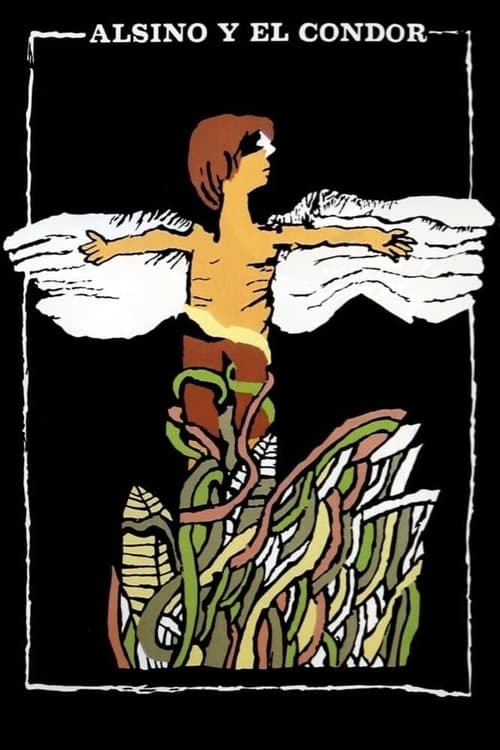
Alsino, a boy of 10 or 12, lives with his grandmother in a remote area of Nicaragua. He's engulfed in the war between rebels and government troops when a US advisor orders the army to open a staging area by the boy's hamlet. Alsino tries to be a child, climbing trees with a girl, looking through his grandfather's trunk of mementos and trying to fly; he goes to town to sell a saddle, has his first drink and is taken to a brothel. But the war surrounds him. The US advisor takes Alsino on a chopper flight, but he's unimpressed. The soldiers' cruelties awake rebel sympathies in Alsino, and after an army assault backfires, the lad is fully baptized into the conflict.
2005
1962
2001
2015

1991

2012
1971
1989
No reviews yet. Be the first to share your thoughts on this movie!
Use the rating form above to leave a star rating and optional review.