Zatoichi at Large
1972
No user ratings available yet
Representation score: 5.2 out of 10
Representation Score
Good
1965
Not RatedDirector
Akira Inoue
Runtime
84 minutes
Average Rating
No ratings yetNew Showbiz Analysis
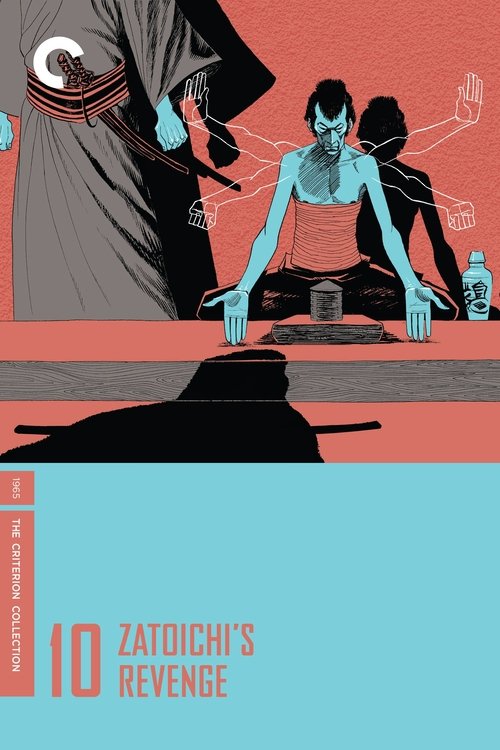
Zatoichi's Revenge stands out by challenging traditional power structures and offering a sophisticated portrayal of disability. The protagonist is not a figure of pity but a highly skilled outsider who uses his blindness as a tool for justice. However, the film is constrained by the social norms of its time. Gender roles are rigid, with women often appearing as victims needing male intervention, and the cast lacks ethnic diversity due to the historical setting. Ultimately, the film's strength lies in its critique of institutional corruption, presenting the state as a corrupt entity and elevating the underrepresented outsider as the true judge of morality.
Category Breakdown
The film centers around traditional family bonds and social structures that assume everyone is straight or cisgender. There are no non-cisgender identities or same-sex relationships shown.
Women such as Osayo and Otsuru often appear as victims of systemic exploitation or as catalysts for the male protagonist. They have limited control over their own destinies and cannot dismantle corrupt systems on their own.
The cast is ethnically uniform, reflecting the historical context of Edo-period Japan. The film maintains cultural authenticity without using actors from different backgrounds.
The narrative criticizes institutional corruption by portraying the Governor and strongman as oppressive figures. It highlights the struggles of ordinary people against exploitative economic systems.
Zatoichi’s blindness is a key part of his identity and he uses it effectively. The film avoids the pitfall of portraying his condition as tragic, focusing instead on his practical skills and adaptability.
Present on Screen
Limited or Absent
Official Synopsis
Itinerant masseur and master swordsman, the blind Zatoichi, is near the village of his teacher, Hikonoichi, so he decides to visit. He learns of Hikonoichi's recent robbery and murder and the imprisonment of his virginal daughter, Osayo, in a brothel. Through friendship with Denroku, a local dice thrower and devoted father, Ichi uncovers an unholy alliance between the governor and the area strongman: among their scams is falsifying tax records to put farmers in debt, then forcing their daughters into prostitution at the boss's brothel. With help from Denroku's daughter, Otsuru, Ichi comforts Osayo until he can provoke showdowns with the villains and their henchmen.
1972
1962

1968
1962
1967

1972
1967
1964
No reviews yet. Be the first to share your thoughts on this movie!
Use the rating form above to leave a star rating and optional review.