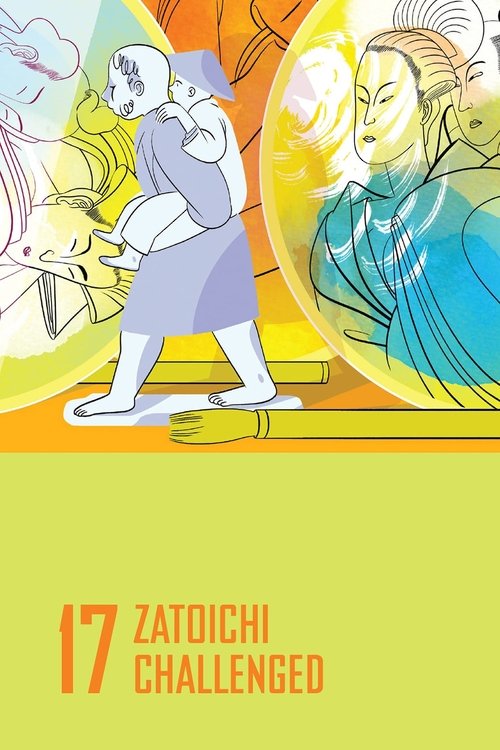
Zatoichi Challenged
1967
No user ratings available yet
Representation score: 4.3 out of 10
Representation Score
Fair
1964
Not RatedDirector
Kenji Misumi
Runtime
88 minutes
Average Rating
No ratings yetNew Showbiz Analysis
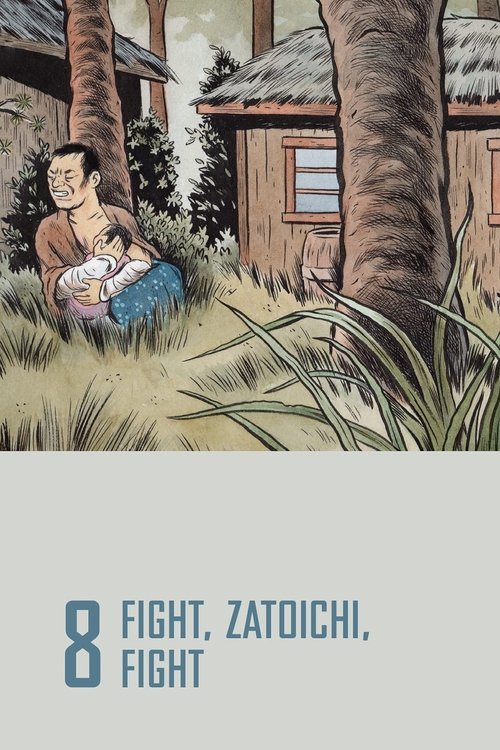
Fight, Zatoichi, Fight excels as a character study of a protagonist navigating a corrupt social hierarchy with high ability to act. The film's standout feature is the nuanced portrayal of Zatoichi, whose blindness is a core element of his mastery rather than a plot device for pity. However, the film is constrained by the gendered clichés of 1960s action cinema. Women are predominantly portrayed as vulnerable characters, serving as catalysts for the male lead's actions rather than as independent agents. Despite lacking demographic diversity, the film provides a sophisticated critique of systemic power and institutional failure through its depiction of the socioeconomic divide in feudal Japan.
Category Breakdown
The film does not include any LGBTQ+ characters or explore non-straight identities. It stays true to the social and romantic norms of the Edo period.
Women play key roles as catalysts for the male protagonist's journey, often portrayed as vulnerable or victims. However, the film avoids domestic clichés by focusing on tragedies that disrupt traditional family structures.
The cast is ethnically uniform, reflecting the historical context of feudal Japan. The film prioritizes cultural authenticity over diverse casting to address contemporary identity issues.
The narrative critiques corrupt institutional authority and highlights the divide between the ruling class and the lower class. It examines situations where formal laws and traditional morals conflict.
Zatoichi’s blindness is an integral part of his identity, informing his sensory perception and combat style. His disability is not portrayed as a weakness but as a strength that grants him a significant role in driving the story.
Present on Screen
Limited or Absent
Official Synopsis
Blind swordsman/masseuse Zatoichi befriends a young woman returning home with her baby. When gangsters mistake her for Zatoichi and kill her, Zatoichi determines to escort the baby to its father. He gains the reluctant help of a young pick pocket and together they travel to find the baby's father. But they do not reckon on the father's reaction to their arrival, nor on their own growing feelings for the child.
1967
1962
1972
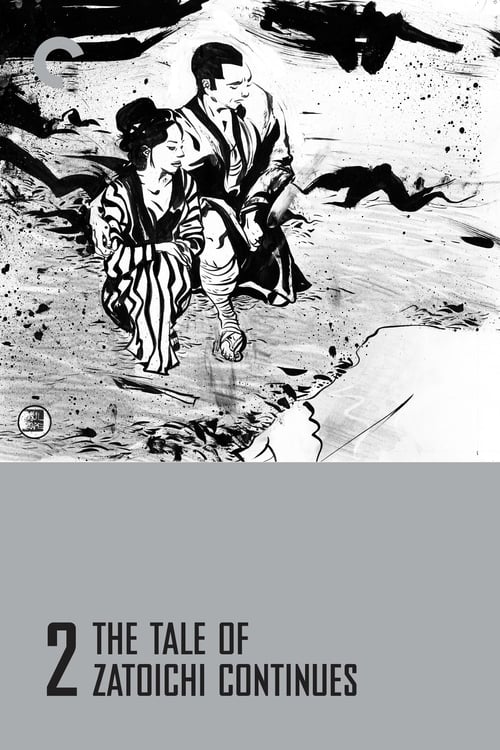
1962
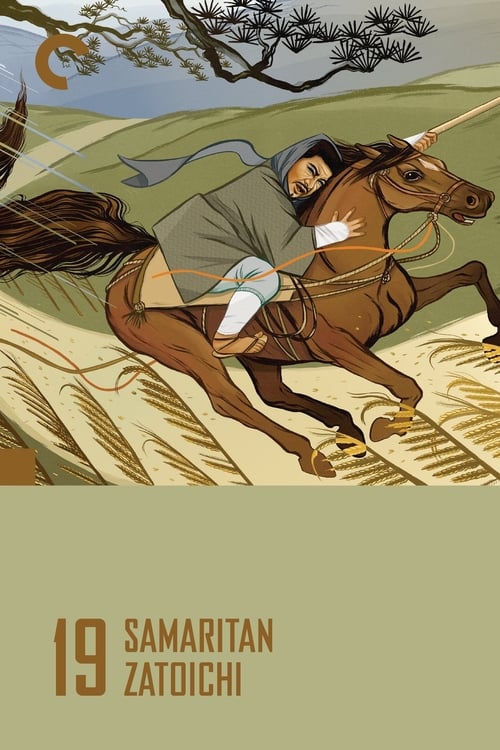
1968
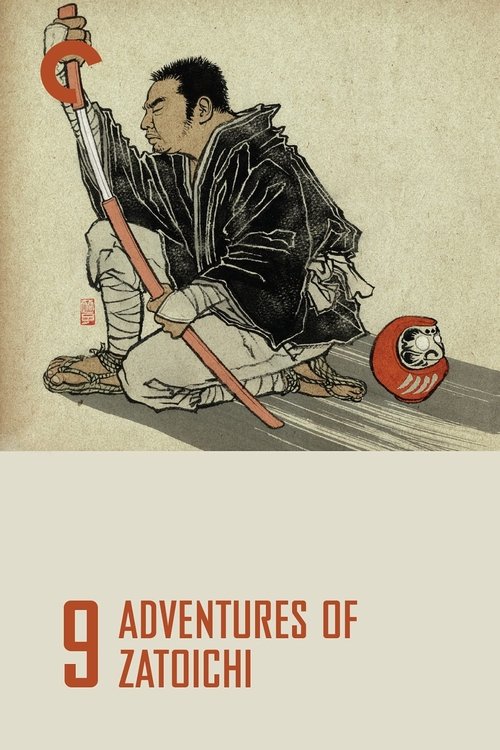
1964
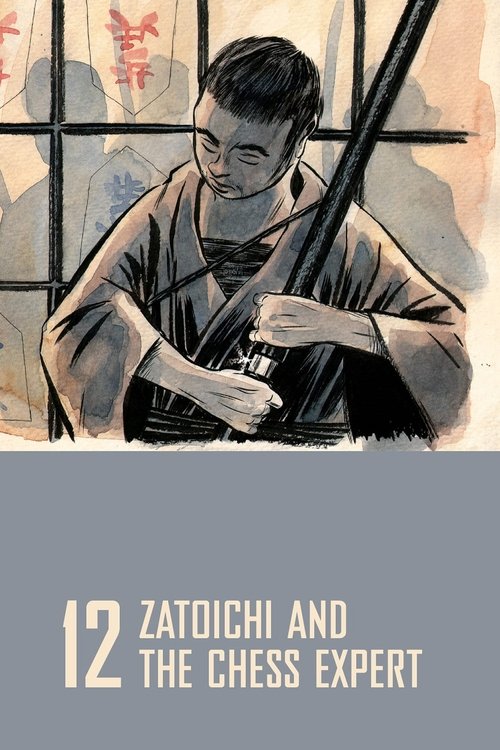
1965
1970
No reviews yet. Be the first to share your thoughts on this movie!
Use the rating form above to leave a star rating and optional review.