The Ambitious
1970
No user ratings available yet
Diversity score: 3.8 out of 10
1961
Director
Kunio Watanabe
Runtime
90 minutes
Average Rating
No ratings yetSynopsis
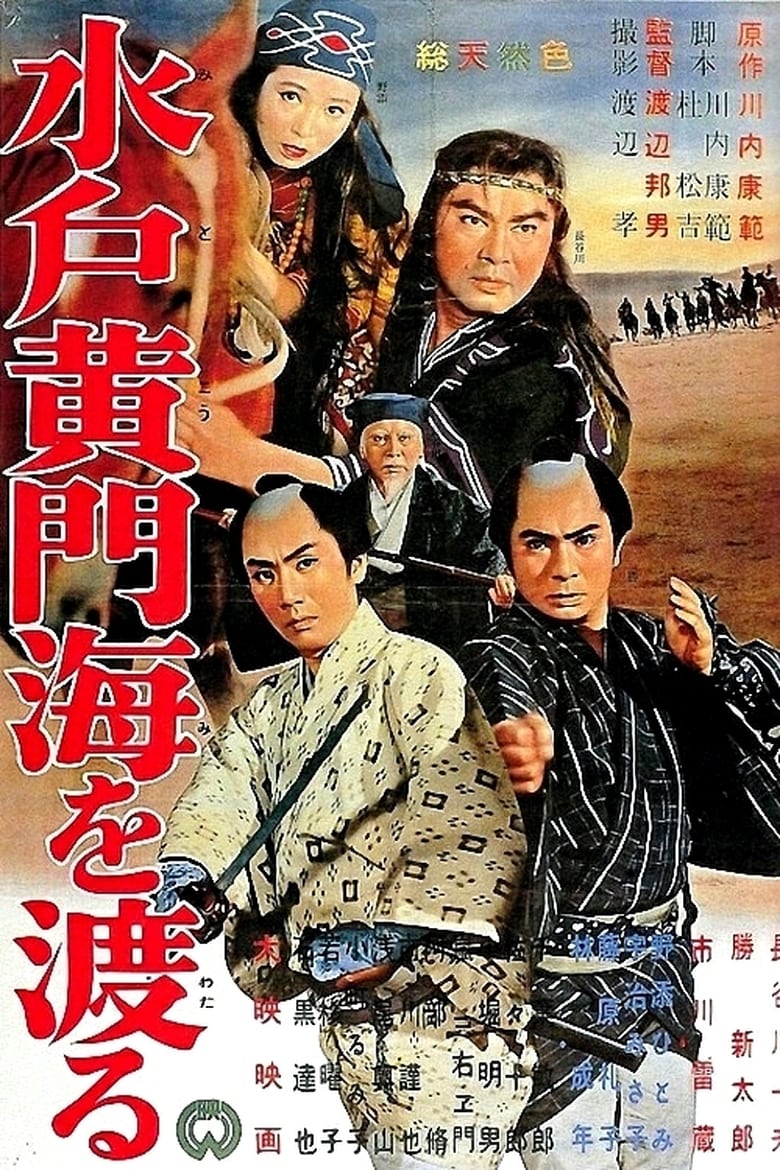
Daiei Film Company's three biggest stars shine in this exciting story about Vice-Shogun Mito Komon's journey to the land of the Ainu. As the shogun's uncle, Lord Mito traveled about the nation seeking to make sure that corruption and injustice did not go unpunished. Traveling together with his two faithful bodyguards Kaku and Suke, they board ship for a voyage to the far northern island of Ezo (modern day Hokkaido) where the indigenous people called "Ainu" live. Somewhat like American Indians, the Ainu had their own culture which had not been subjugated by the Matsumae clan, rulers of the vast island. A revolt is brewing within the leadership of the Ainu, which threatens to destroy their peaceful lives. The elder lord and his retinue are the only ones who can stop this reign of terror!
Overall Score
Fair
Category Breakdown
LGBTQ+ Representation
The film adheres to traditional social structures of the Edo period. There is no evidence of non-cisnormative identities or same-sex intimacy.
Gender Representation
The story centers on a male-dominated hierarchy of lords and bodyguards. This focus reinforces traditional gender roles and martial leadership common to the jidaigeki genre.
Racial & Ethnic Diversity
The narrative disrupts monolithic identity by centering the Ainu people. It explores indigenous agency and resistance against the ruling Matsumae clan.
Religious & Cultural Diversity
The film critiques localized power structures and systemic corruption. It examines the tension between a marginalized group's peaceful life and the ambitions of a ruling class.
Disability Representation
The available information contains no mention of characters with visible or invisible disabilities.
Strengths
Areas for Improvement
AI Analysis
Mito Komon’s Journey to Ezo stands out for its engagement with indigenous identity. By centering the Ainu people and their struggle against the Matsumae clan, the film moves beyond a simple imperial narrative to explore themes of colonial tension and agency. However, the film remains deeply traditional in its social architecture. The focus on male leadership and the absence of diverse gender or LGBTQ+ identities keep the social scope narrow. Ultimately, the film's strength lies in its ethnic complexity, which offsets its more conventional approach to gender and social hierarchy.
1970
1967
1964
1978
1961
1967

1966
1964

1966
1970

1956
2014
No reviews yet. Be the first to share your thoughts on this movie!
Use the rating form above to leave a star rating and optional review.