
Samurai Wolf
1966
No user ratings available yet
Representation score: 6.0 out of 10
Representation Score
Limited
1967
Director
Eiichi Kudō
Runtime
100 minutes
Average Rating
No ratings yetNew Showbiz Analysis
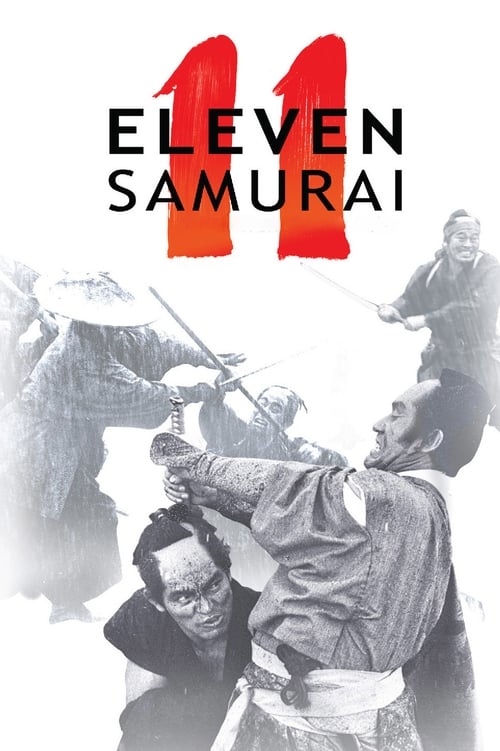
Eleven Samurai is a traditionalist period drama that prioritizes historical authenticity and masculine-driven storytelling. The film functions as a study of professional duty and class distinction within a rigid historical framework. The narrative architecture reinforces established social hierarchies, particularly regarding gender and class. It lacks the complexity or subversion of norms required for a higher diversity rating. While the film achieves historical congruence through its ethnically homogeneous cast, it remains a study of martial archetypes rather than a disruption of social hierarchies.
Category Breakdown
The film operates within a framework that assumes everyone is straight or cisgender. It focuses on the camaraderie of male warriors without any depiction of non-straight relationships or same-sex intimacy.
The narrative is almost entirely male-centric, focusing on the combat and ability to act of the samurai. Women are relegated to domestic or supporting roles within the patriarchal structure of the period.
The cast is ethnically homogeneous, reflecting the historical setting of 16th-century Japan. This commitment to historical realism avoids the issue of whitewashing common in other productions.
The story explores the friction between the peasantry and the warrior class. However, it prioritizes the code of Bushido and martial discipline over the deconstruction of feudal institutions.
Characters are defined primarily by their physical prowess and martial utility. There is no significant focus on neurodivergence or physical disability as a central narrative driver.
Present on Screen
Limited or Absent
Official Synopsis
The lord of the Oshi fief is killed by his trespassing neighbour, the cruel and despotic Nariatsu, son of the former Shogun. After an investigation, the Oshi clan is blamed for what happened and sentenced to be disbanded. Eleven of the best samurai of the clan refuse the sentence and are willing to give their life for justice.
1966

1964
1964

1956
1967
1980
1970
1961
No reviews yet. Be the first to share your thoughts on this movie!
Use the rating form above to leave a star rating and optional review.