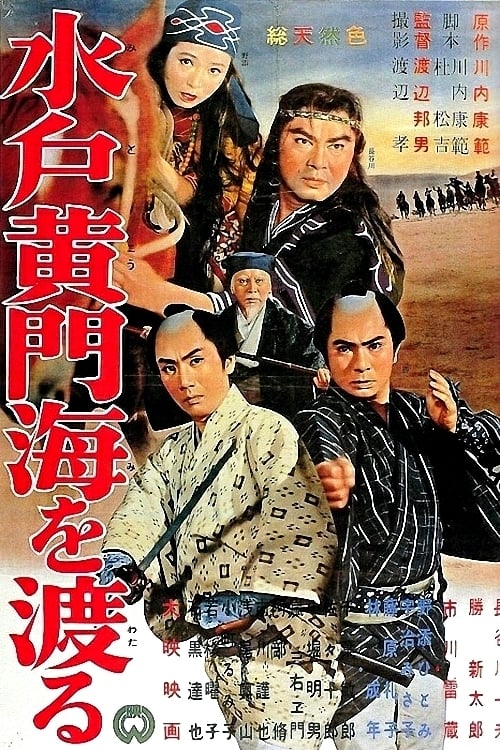
Mito Komon’s Journey to Ezo
1961
No user ratings available yet
Diversity score: 5.1 out of 10
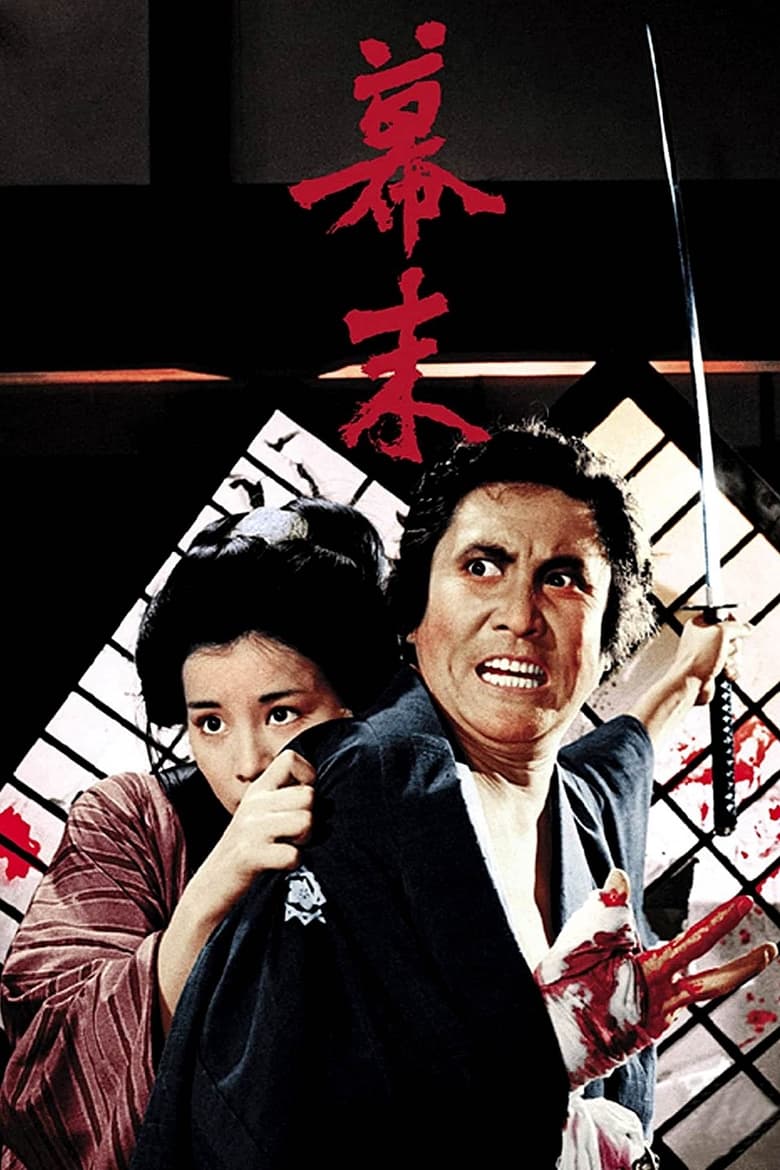
1970
Director
Daisuke Itō
Runtime
120 minutes
Average Rating
No ratings yetSynopsis
The story of Ryoma Sakamoto, considered to be the architect behind the downfall of the Tokugawa shogunate. He was considered an outlaw by his own clan, hunted by his government, and was despised by supporters of the Shogun as well as the Loyalists for desiring the opening of Japan to the West in order to learn its technology, in the hopes of one day defeating the West with a modern army and navy.
Overall Score
Limited
Category Breakdown
LGBTQ+ Representation
The film contains no evidence of non-heteronormative identities. There are no narratives present that critique heteronormativity.
Gender Representation
The story centers on a male protagonist within a traditional period-drama structure. It lacks specific details regarding female agency or the subversion of gendered roles.
Racial & Ethnic Diversity
The narrative explores the tension between isolationism and Western influence. The protagonist's desire for foreign technology serves as a metaphor for blending disparate cultural influences.
Religious & Cultural Diversity
The film demonstrates high cultural subversion by framing the protagonist as a systemic outsider. It challenges the sanctity of the Tokugawa shogunate and traditionalist isolationism.
Disability Representation
There is no information available regarding the depiction of physical or neurodivergent characters in this work.
Strengths
Areas for Improvement
AI Analysis
The Ambitious functions primarily as a historical drama centered on systemic disruption. Its strength lies in its thematic exploration of a character who exists outside established political binaries, challenging the status quo of the Bakumatsu period. However, the film lacks meaningful representation for specific identity groups. There is no visible presence of LGBTQ+ individuals or characters with disabilities, and the gender focus remains heavily centered on a male lead. Ultimately, the film's diversity is found in its intellectual framework rather than its character demographics. It prioritizes the deconstruction of institutional authority and the integration of global influences over intersectional identity representation.
1961
1978
1964
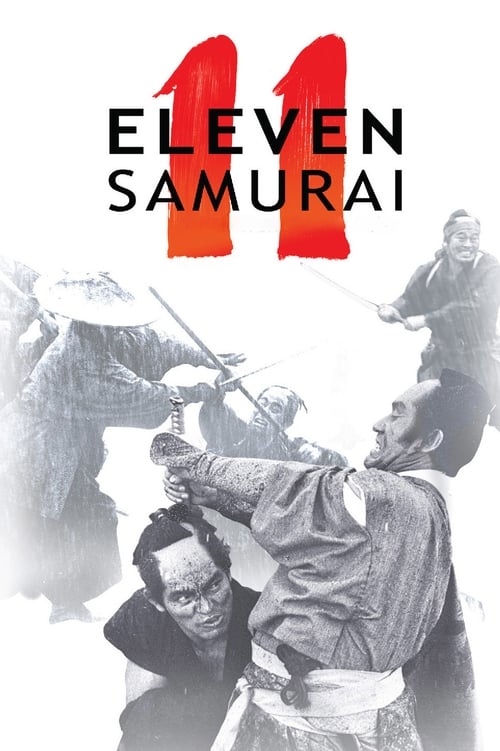
1967

1966
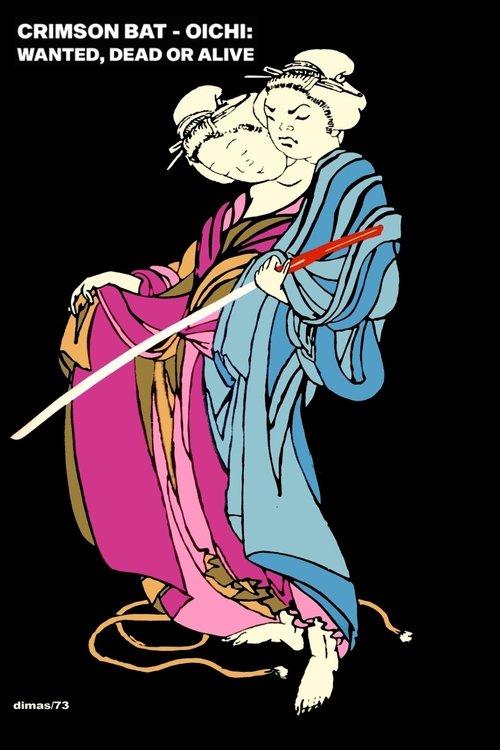
1970

2021

2019
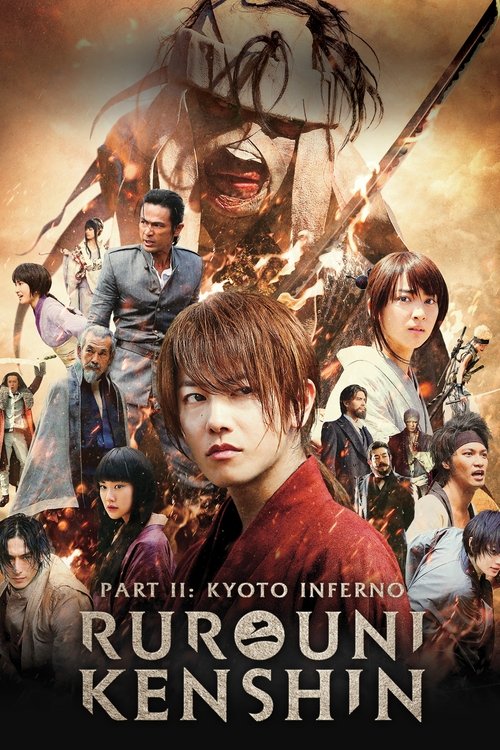
2014
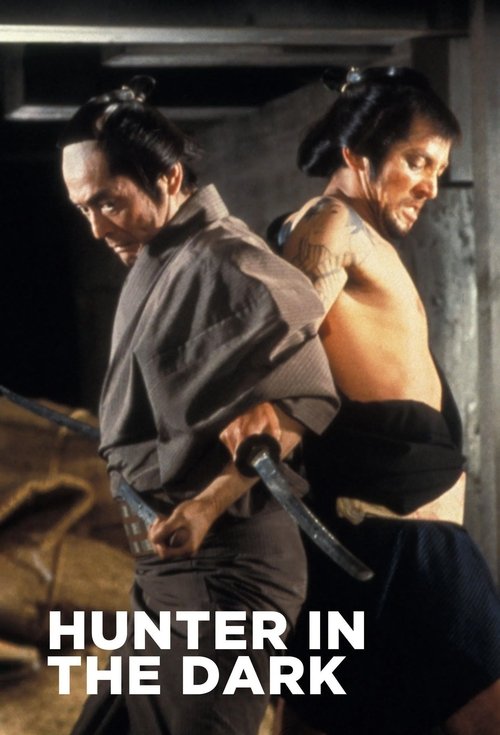
1979
2008
No reviews yet. Be the first to share your thoughts on this movie!
Use the rating form above to leave a star rating and optional review.