
Samurai Wolf
1966
No user ratings available yet
Representation score: 6.0 out of 10
Representation Score
Fair
1967
Director
Hideo Gosha
Runtime
72 minutes
Average Rating
No ratings yetNew Showbiz Analysis
Hideo Gosha’s direction emphasizes the cynicism of the chanbara genre, focusing on individual struggles rather than rigid social hierarchies. The film successfully challenges the 'noble warrior' archetype by featuring characters motivated by obsession and greed rather than honor. However, the work is constrained by the social norms of 1960s Japanese action cinema. It lacks complexity in representing multiple aspects of identity and focuses on a homogeneous cast and traditional masculine archetypes. Ultimately, the film provides a realistic and cynical view of human nature. While it avoids idealized propaganda, it does not offer meaningful representation for underrepresented groups.
Category Breakdown
The film does not include any LGBTQ+ characters or stories that question the assumption that everyone is straight or cisgender.
A young woman is shown, but she is portrayed as unstable rather than playing a significant role in driving the story. The plot is mainly driven by men who take on traditional combat roles.
Set in a specific historical period in Japan, the cast appears to be ethnically uniform. The story focuses on internal social rankings rather than showcasing racial diversity.
The story challenges traditional moral frameworks by presenting moral ambiguity and situational ethics. It questions traditional samurai values by emphasizing technical skill over spiritual duty.
There is no specific evidence of the portrayal of physical or neurodivergent disabilities. A character described as a 'lunatic' may use mental instability as a cliché.
Present on Screen
Limited or Absent
Official Synopsis
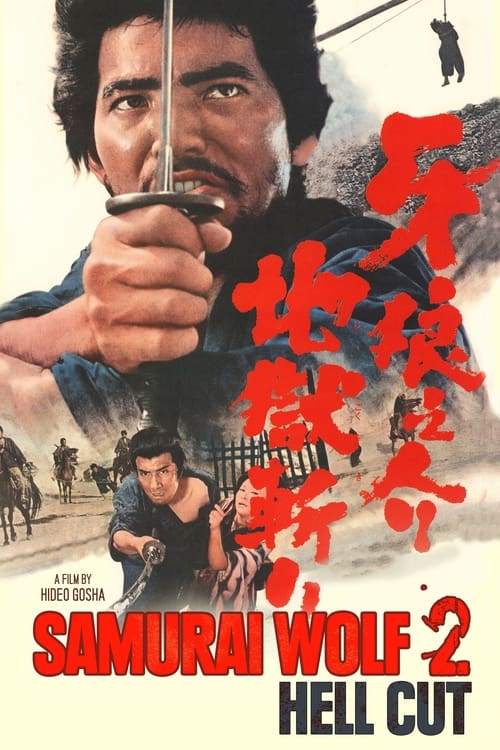
Kiba Okaminosuke finds himself entangled with a group of prisoners being transported to their executions, one of whom oddly looks exactly like his dead father. There are crooked gold miners, a beautiful girl who is unfortunately a complete lunatic and a dojo master who is obsessed with killing Kiba just to prove that his school's sword style is the best.
1966
1962
1967

1964
1970
1980
1966
1979
No reviews yet. Be the first to share your thoughts on this movie!
Use the rating form above to leave a star rating and optional review.