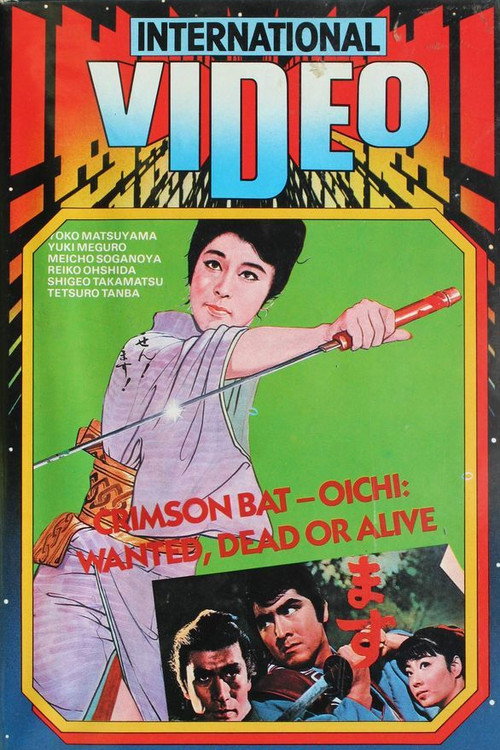
Crimson Bat - Oichi: Wanted, Dead or Alive
1970
No user ratings available yet
Representation score: 8.3 out of 10
Representation Score
Fair
1978
Director
Hideo Gosha
Runtime
163 minutes
Average Rating
No ratings yetNew Showbiz Analysis
Hideo Gosha’s film is a sophisticated deconstruction of the chanbara genre. It goes beyond simple swordplay to critique the tension between individual freedom and rigid social structures. The film’s strength lies in its critique of systemic oppression. By focusing on a protagonist who gains power through defiance, it challenges the sanctity of the traditional social order and the samurai code. Despite lacking modern identity representation, the film’s focus on the struggles of underrepresented individuals provides a meaningful exploration of class-based conflict and institutional corruption.
Category Breakdown
The film focuses on masculine themes and traditional period-drama elements, without showing non-straight or non-cisgender identities or intimate relationships between same-sex partners.
Set in a patriarchal society, the film portrays women mainly in domestic or emotional roles. However, the protagonist's rejection of samurai duties subtly critiques the rigid social hierarchy.
The cast is ethnically uniform, reflecting the historical setting. It highlights class-based diversity by depicting the struggles of underrepresented outlaws against a powerful, centralized authority.
The narrative effectively critiques the feudal Japanese hierarchy. It presents the protagonist as a victim of the oppressive system, emphasizing the rebellion against the stagnant clan structure.
There are no prominent depictions of physical or neurodivergent disabilities that serve as central narrative drivers in this work.
Present on Screen
Limited or Absent
Official Synopsis
Kumokiri Nizaemon, a former samurai warrior, has abandoned his class to become the leader of a gang of thieves. He leads his outlaws in an attempt to rob the castle of his former clan.
1970

1964
1967
1967

1966
1985

2025
1980
No reviews yet. Be the first to share your thoughts on this movie!
Use the rating form above to leave a star rating and optional review.